

 DirectStay

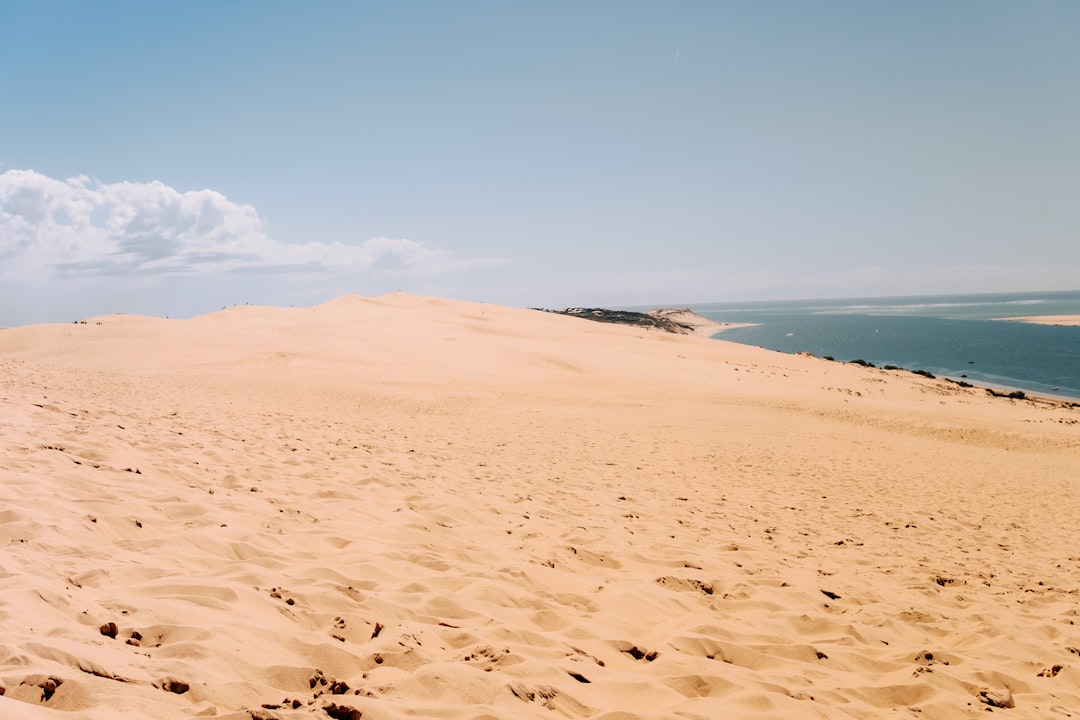
The instinct at Jockey's Ridge is to climb. Everyone does it — car doors open, shoes come off, and the sand pulls people uphill until they're standing on the tallest dune crest on the Atlantic coast, wind flattening their shirts, the Roanoke Sound spreading wide to the west. It takes maybe fifteen minutes to reach the top. Another ten to take photos and catch your breath. Then the return — back down the sand, back to the parking lot, back to whatever was next on the list. Most visitors spend less than an hour here, and most leave thinking they saw it. They did see it. They saw the dune. What they didn't see is the park — more than 400 acres of sand, sound, marsh, and forest that holds a full day if you let it.
Jockey's Ridge is a medano — a migrating dune system that shifts with the prevailing wind rather than anchoring to vegetation. The crest fluctuates between roughly 80 and 100 feet depending on the season and the wind pattern that year. The sand has been moving for thousands of years, pushed from offshore shoals onto the beach and then inland, building ridges that look more like a desert interior than a barrier island town. There is no fixed trail to the top. You walk where the sand lets you, and the shape of the ridge is never quite the same month to month.
From the crest, the Roanoke Sound spreads on one side, the Atlantic on the other — the full width of the Outer Banks compressed into a single vantage point. The dune itself is bare — no shade, no structures, no guardrails. That exposure is part of what makes it feel like you've left the beach town entirely, even though the bypass runs just below.
Kitty Hawk Kites has operated a hang gliding school inside Jockey's Ridge since 1974. The dune's consistent ocean breezes, moderate height, and soft sand landings make it one of the most accessible beginner flight sites in the world — the same wind conditions that brought the Wright Brothers to these barrier islands a century earlier.
A beginner lesson runs about three hours: a ground school session covering safety and technique, followed by five solo training flights from the dune. Students ages four and older can fly. This is not a spectator experience you watch from the parking lot — it is a physical, wind-dependent commitment that occupies a real block of the day. For families, it often becomes the anchor that everything else wraps around.
The second access point at Jockey's Ridge sits on the opposite side of the park, off Soundside Road. Most visitors never reach it because the dune entrance captures all the attention. But the soundside opens onto a different version of the park — a calm-water beach on the Roanoke Sound where the depth stays shallow, the waves are negligible, and the activity shifts from climbing to floating.
Kayaking, paddleboarding, kiteboarding, and windsurfing all launch from this stretch. The water is warmer than the Atlantic side and far calmer — functional for younger kids and less confident swimmers. A one-mile nature trail loops through wetland habitat and maritime thickets along the sound edge, passing through a quieter ecosystem that most dune visitors never encounter.
The soundside is also the eastern terminus of the Mountains-to-Sea State Trail — the 1,175-mile footpath crossing North Carolina from the Great Smoky Mountains to the coast. A wooden terminus monument unveiled in 2023 marks the endpoint, framing the dunes through a large circular opening. For hikers who know the MST, standing at its end while watching kiteboarders skim the water carries a specific kind of weight.
The single best reason to build a full day around Jockey's Ridge is the sunset. The dune crest faces west over the Roanoke Sound, and because the dune stands above everything around it, the view is unobstructed. This is one of the few places on the Outer Banks where you watch the sun set over water from elevation rather than beach level.
The crowd on the dune shifts as evening approaches. The climbers and hang gliders give way to people carrying blankets and cameras. The wind typically drops as the temperature cools, and the sand that scorched bare feet at midday becomes comfortable again. There is no program, no event, no ticket. You just walk up the dune and sit.
The visitor center near the main entrance holds exhibits on the park's ecology and the dune's geological origins. Park interpreters staff the center and lead seasonal programs covering animal tracking and the plant communities that survive in the dune margins.
Two short trails branch from the main access area. The Tracks in the Sand trail crosses the dune field, interpreting animal prints and wind patterns visible in the sand — about 1.5 miles round trip. The Soundside Nature Trail moves through maritime forest and wetland zones on the park's western side at roughly a mile. They fill in the ecological story that the dune alone doesn't tell.
Jockey's Ridge State Park is free to enter. The main access is at 300 West Carolista Drive in Nags Head, at milepost 12 on US 158. The soundside access is on Soundside Road. Park hours vary by season — generally 8 a.m. until early evening in winter, extending to 9 p.m. in summer.
The visitor center hours vary by season — check the NC State Parks website or the Friends of Jockey's Ridge page for current schedules. The dune and trails stay accessible beyond visitor center hours. The boardwalk from the main entrance is under construction as of 2026 with no wheelchair-accessible route to the dune during this period — check the NC State Parks website for updates.
Kitty Hawk Kites runs hang gliding lessons year-round from the dune, with the main store directly across US 158 at Jockey's Ridge Crossing. Reservations are recommended in summer. Lessons are weather-dependent — high winds or storms will cancel or reschedule.
Bring water — more than you think you need. There is no shade on the dune, and sand temperatures can run 30 degrees hotter than the air. Closed-toe shoes or sand socks protect feet. The park does not sell supplies. Dogs are allowed on leash but not inside buildings, and the hot sand is hard on paws.
Jockey's Ridge is a state park that most visitors experience as a landmark — a 30-minute stop between the beach house and dinner. That version works. But the version that includes hang gliding in the morning, the soundside in the afternoon, and the sunset from the crest is a different day entirely. It does not require driving anywhere else or a packed itinerary. It just requires deciding, early in the day, that this is where you are — and that staying is actually the move.
Want to feature your business on the DirectStay Blog?
Want to feature your business on the DirectStay Blog?

Connect with travelers, share your space, and join a community of hosts earning together.
Become a host