

 DirectStay

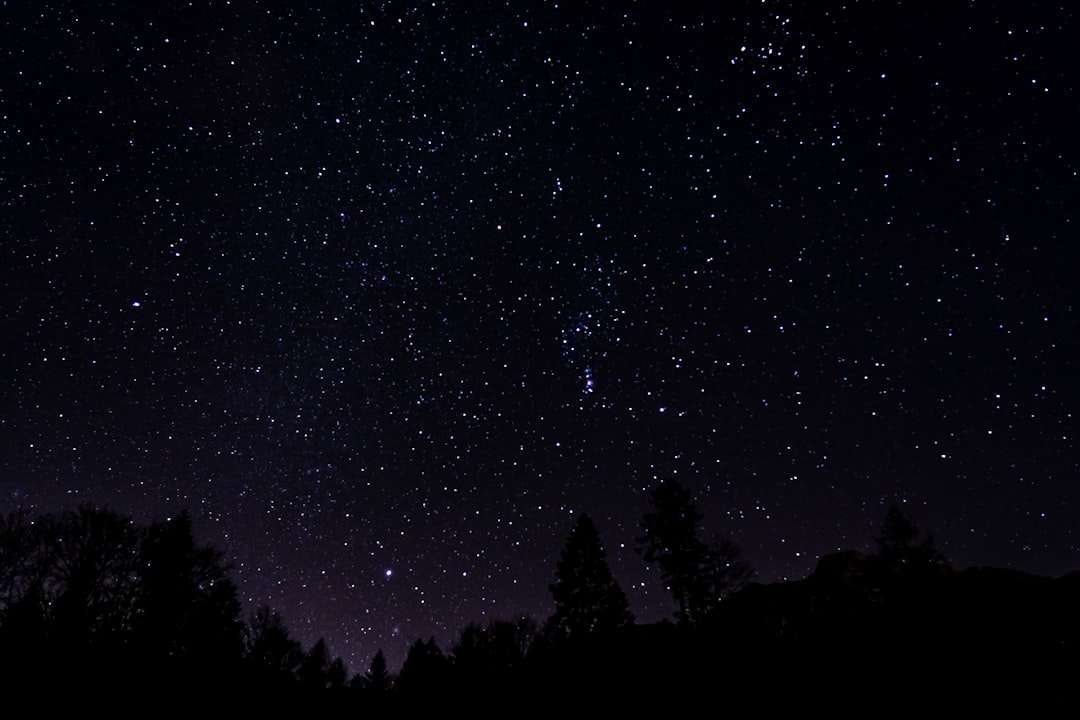
A dark sky trip near Joshua Tree invites a decision most visitors don't realize they're making until the sun drops. Twentynine Palms Astronomy Club pulls into your driveway with high-powered telescopes, sets up on the patio, and walks your group through the constellations while you sit in your own chairs with your own drinks — nobody drives anywhere, nobody enters the park, and the whole evening wraps in two hours without leaving the property. Then there's the path that costs nothing: NPS rangers set up at designated stargazing areas inside the park, point their scopes at whatever's passing overhead that season, and hand the experience to anyone who shows up. Same dark sky. Same Milky Way arcing across the Mojave. The question is whether the stars come to you — or you go to them.
Starman Steve — the name sticks because the reviews won't let it go — runs Twentynine Palms Astronomy Club out of the Morongo Basin and brings the entire setup to wherever you're staying. Telescopes, binoculars, a green laser that traces constellation lines across the sky like someone drawing on the dark itself. The tour runs roughly two hours. Start times shift with the season — around 5pm in winter when the sky drops early, closer to 9pm in summer when the desert holds light.
What changes the evening is the format. This is not a lecture in a parking lot. It's a private presentation at your rental — your patio, your yard, your group. A family of four gets the same astronomer attention as a birthday group of eight. The kids who lost interest at the visitor center earlier that day are suddenly pointing at Saturn's rings through an eyepiece they didn't expect to understand.
The souvenir lands on your phone before you go inside: a portrait of your group silhouetted against the Milky Way, or a telescopic moon shot captured through the lens and transferred on the spot. The kind of photo that sits in a frame, not a camera roll.
The rate runs $500 for groups of one to eight. Not per person — for the group. A couple splits that differently than a family of six, and the math shifts again for a friend trip that was already splitting the rental eight ways. For larger events — weddings, corporate retreats, reunions — custom pricing applies.
The National Park Service runs ranger-led night sky programs on a seasonal schedule — free, open to anyone with a park pass, and held at locations that put you closer to the darkest corridors of an International Dark Sky Park. Joshua Tree earned that designation in 2017, and the rangers treat the sky like the geological formations: something worth interpreting, not just photographing.
Programs rotate through the NPS calendar. Some sessions feature telescopes and deep-sky viewing. Others are constellation walks or astronomy talks without equipment. The schedule isn't fixed year to year — it follows staffing, season, and moon phase. Checking the NPS calendar before your trip is non-negotiable; showing up and hoping is how you miss it entirely.
The park also designates four stargazing areas with parking and restrooms: Quail Springs, Hidden Valley, Cap Rock, and Ryan Mountain. These are available any clear night, ranger program or not. The protocol is simple — park, stay within twenty feet of your vehicle, stay awake, and look up. No campfire. No white light. Red flashlights only.
What the park version gives you that the porch version doesn't: darkness that deepens the further east you drive. Palm Springs light washes the western and southern sky. The Pinto Basin Road corridor between Cholla Cactus Garden and Cottonwood has the least traffic and the darkest conditions in the park. The rangers know this. The self-guided stargazer learns it by driving.
The annual Night Sky Festival — held in partnership with Sky's the Limit Observatory in Twentynine Palms — concentrates the full community of astronomers, telescopes, lectures, and activities into a single weekend each fall. It typically sells out. Check nightskyfestival.org and the NPS events page for the current year's dates and reservation details.
The private tour removes every logistical barrier. No park drive. No entry fee. No navigating dark desert roads. No cell service anxiety. Pets stay with you — they can't enter park trails, but they're already home. The kids fall asleep in their own beds ten minutes after the last constellation.
The park version strips away the intermediary. No guide narrating what to feel. No schedule built around your convenience. Just you, a parking lot, and a sky so dark it takes twenty minutes for your eyes to adjust — and then the Milky Way core appears like someone turned up a dimmer you didn't know existed. Prime core season runs May through August, visible after 10pm in summer and midnight through sunrise in spring.
Both require the same preparation: check the moon phase. A full moon washes out everything. New moon or a thin waning crescent is when the sky opens. The NPS app and Sky Guide both track this — download them before you enter the park, because your phone stops working at the gate.
Where (private tour): Twentynine Palms Astronomy Club comes to your rental, event venue, or their Adobe Observatory site in the Morongo Basin. Book via text or email — Steve at 760-401-3004 or [email protected]. Check 29palmsastronomy.org for current rates and availability.
Where (NPS programs): Locations vary by program. Designated stargazing areas (no ranger required): Quail Springs, Hidden Valley, Cap Rock, Ryan Mountain parking lots. Check the NPS calendar for ranger-led programs: nps.gov/jotr/planyourvisit/calendar.htm
When (private tour): Year-round. Start times vary — approximately 5pm in winter, 9pm in summer. Book in advance, especially for weekend dates.
When (NPS programs): Seasonal and limited. Not every night. Not every week. The NPS calendar is the only reliable source for current programming.
Night Sky Festival: Annual fall event at Sky's the Limit Observatory, Twentynine Palms. Typically a ticketed, limited-capacity weekend. Verify dates and reservations at nightskyfestival.org and the NPS events page.
Moon planning: New moon = darkest sky. Download Sky Guide or PhotoPills before entering the park (no cell service inside). Check the moon calendar before choosing your stargazing night.
Pets: Can't enter park trails — but stay comfortably at the rental during a porch stargazing session. This is one of the few evening activities where pet-traveling guests lose nothing.
Park entry: Joshua Tree never closes. $30/vehicle, valid 7 days. If the fee station is closed when you arrive at night, proceed and pay upon exit.
Dark sky season aligns with the park's busiest months. Travelers who book lodging early open up options in quieter communities surrounding the park — and give themselves the flexibility to choose a stargazing night based on the moon, not on availability.
Want to feature your business on the DirectStay Blog?
Want to feature your business on the DirectStay Blog?

Connect with travelers, share your space, and join a community of hosts earning together.
Become a host