

 DirectStay

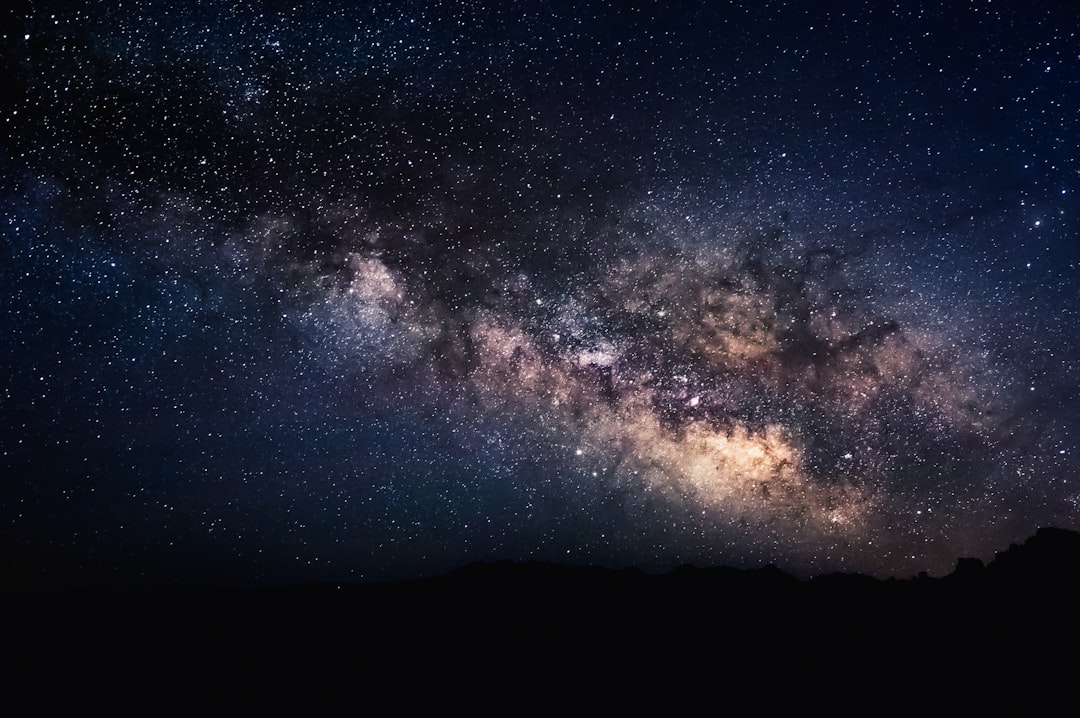
The night sky over Joshua Tree doesn't reward the best lens. It rewards the person who checked the moon calendar, drove past the lots closest to Palm Springs glow, and set up a chair in a pullout where the only light comes from the galactic core itself. The park earned its International Dark Sky Park designation in 2017, and the four official stargazing areas — Quail Springs, Hidden Valley, Cap Rock, and Ryan Mountain — put restrooms and paved parking under some of the darkest sky in Southern California. But the photographers who come back year after year know the designated lots are the starting line. The real filter is whether you pointed your tripod toward Palm Springs or away from it — and whether the moon was below the horizon when you pressed the shutter.
Not all darkness is equal inside the park boundaries. Palm Springs sits to the south, and its light dome washes across the sky in that direction. The broader Inland Empire metro area presses from the west. The designated stargazing areas cluster along the western corridor — convenient, equipped with restrooms, and genuinely dark. But measurably darker skies live further east.
The Pinto Basin Road corridor between Cholla Cactus Garden and Cottonwood holds the least traffic and darkest skies in the park — NPS recommends it by name. The nearest major city to the east is Phoenix, roughly 300 miles away. That distance is the difference between a sky that impresses you and a sky that changes what you thought a sky could look like.
For astrophotographers, the east side means less light gradient to process out of images, cleaner horizons, and the ability to shoot south without fighting glow. For naked-eye stargazers, it means the Milky Way's structure becomes visible without binoculars.
These are the NPS-sanctioned locations with parking and restrooms. Each sits along the park's western corridor, accessible from Park Boulevard.
Quail Springs is the first turnoff after the West Entrance — close to the gate, with parking and pit toilets. Its position at the western end of Park Boulevard means less drive time but slightly more proximity to the Inland Empire light dome than the lots further east.
Hidden Valley parking lot sits at the trailhead for the granite-ringed loop trail. Expansive overhead views and easy access make it the most popular of the four. That popularity means more car arrivals through the night, more dome lights, more flashlights. Arrive early enough to claim a spot before the lot fills, and position yourself facing away from the access road.
Cap Rock puts distinctive rock formations in your foreground — a compositional advantage astrophotographers use to frame the Milky Way against recognizable silhouettes. The formations can also provide some shelter from wind on gusty nights.
Ryan Mountain trailhead parking lot sits further east along Park Boulevard. Note: stargazing happens in the parking area, not on the summit. NPS requires you to remain within 20 feet of your vehicle and stay awake.
Arch Rock and the White Tank area give photographers what the designated lots can't: a natural granite arch that frames the sky. The arch creates a compositional anchor — the kind of foreground element that turns a night sky photo into a photograph with a subject. The short walk from the parking area puts just enough distance between you and any arriving vehicles.
Jumbo Rocks is the stargazing-from-camp option. If you're camping, step out of the tent and the sky is already there — no drive, no setup, no windshield. The surrounding boulder formations can help shield your line of sight from neighboring campsite headlamps.
East-side pullouts along Pinto Basin Road deliver the park's darkest conditions. These are roadside turnoffs — no restrooms, no facilities, no other cars most nights. You park, set up within 20 feet of your vehicle, and let your eyes adjust. It takes 20 to 30 minutes for human night vision to fully develop. One car headlight resets the clock.
Cottonwood Campground at the park's southern end holds the darkest skies of any campground — NPS confirms this specifically. Fewer visitors and less vehicle traffic through the night make it the strongest overnight option for serious dark-sky viewing.
The single most important variable in your stargazing experience isn't location — it's the moon. A full moon over Joshua Tree lights up the landscape in silver but washes out all but the brightest stars. A new moon leaves the sky entirely to the stars.
The Milky Way's galactic core is visible March through September. The prime window — when the core appears after dark without requiring a 2 AM alarm — runs from roughly May through August. In June and July, the core typically becomes visible by around 10 PM or earlier, staying overhead through the night.
But the core is only visible during the roughly eight days each month surrounding the new moon phase. This means the intersection of "Milky Way season" and "new moon window" produces perhaps 40 to 50 prime nights per year. Missing the moon window by three days is the difference between seeing the galaxy's structure with your bare eyes and seeing a vaguely bright sky that doesn't match the photos you came to take.
Check a moon phase calendar before you book. This is not optional planning — it is the planning.
NPS provides clear starter guidance for astrophotography: tripod, manual settings, widest aperture your lens allows (f/2.8 is the benchmark), ISO 1600 or higher depending on your camera's noise performance, and shutter speeds around 25 seconds as a starting point.
One rule catches newcomers off guard: light painting is not permitted in Joshua Tree National Park. The technique — using a flashlight to illuminate foreground rocks during a long exposure — is standard practice in most night photography. Here, it violates the park's commitment to preserving darkness for wildlife and other stargazers. The park enforces red lights only. White flashlights, headlamps, and phone screens all disrupt the night environment and reset the dark adaptation of everyone around you.
Apps like Sky Guide and PhotoPills help you locate celestial objects, predict the Milky Way's position, and plan compositions before you arrive. Download them before entering the park. There is no reliable cell service inside the boundaries — the NPS app also has offline trail maps worth loading.
Where: Joshua Tree National Park. Stargazing areas distributed across the park — western designated lots along Park Boulevard, eastern dark-sky corridor along Pinto Basin Road. No single "stargazing trailhead."
Designated stargazing areas: Quail Springs, Hidden Valley, Cap Rock, and Ryan Mountain parking lots. All have parking and restrooms. Stay awake and within 20 feet of your vehicle.
Darkest skies: Pinto Basin Road between Cholla Cactus Garden and Cottonwood. Cottonwood Campground for overnight. East side of park is consistently darker than west.
Moon planning: Check a moon phase calendar before booking your trip. New moon windows give the darkest skies. Milky Way core is typically visible March through September, with the prime window May through August. Verify current visibility conditions at joshuatree.guide/guide-to-the-night-sky.
Red lights only: No white flashlights, headlamps, or phone screens. Cover regular flashlights with red cellophane or bring a dedicated red headlamp. Your eyes need 20 to 30 minutes to fully adjust to darkness — one white light resets the process.
Light painting: Not permitted in the park. Plan foreground compositions using natural moonlight on partial-moon nights, or shoot silhouettes on new-moon nights.
Cell service: Effectively nonexistent inside the park. Download Sky Guide, PhotoPills, and the NPS app with offline maps before entering.
Day-use areas: Closed from dusk to dawn to protect wildlife. Stargazing is permitted in designated areas, campgrounds, and roadside pullouts only.
Temperatures: Desert nights drop significantly from daytime highs. Bring layers even in summer months. Wind at exposed locations like Keys View and Ryan Mountain adds chill.
Camping for stargazing: Cottonwood Campground has the darkest skies. Campground reservations fill well in advance for spring and fall weekends — book through recreation.gov. Verify current availability before planning.
Partner programming: Sky's the Limit Observatory and Nature Center (9697 Utah Trail, Twentynine Palms) hosts monthly night sky programs, typically on the Saturday nearest the new moon. Advance reservation required. Check skysthelimit29.org for current schedule.
New moon weekends draw stargazers and astrophotographers from across the region. Nearby accommodations fill earlier than typical weekends during prime Milky Way season. Planning lodging well in advance during May through August new-moon windows opens up quieter options with the outdoor space a dark-sky trip calls for.
Want to feature your business on the DirectStay Blog?
Want to feature your business on the DirectStay Blog?

Connect with travelers, share your space, and join a community of hosts earning together.
Become a host