

 DirectStay
An art afternoon in the Brandywine Valley reveals which thread of the region's painting tradition you were actually chasing. The Brandywine Museum of Art sits in a converted mill on the banks of the Brandywine Creek in Chadds Ford, and the moment you step inside, three generations of Wyeth canvases occupy the walls and the light from the river occupies the rooms. N.C.'s illustrations built the mythology. Andrew's landscapes made it personal. Jamie's portraits kept it honest. The whole building feels like standing inside a family argument about what painting owes the world. Then there's the museum across the state line — the one tucked into a residential parkway in Wilmington, where the crowds thin and the collection shifts from American nostalgia to something older and stranger. The Delaware Art Museum holds a large collection of Howard Pyle's work, alongside a Pre-Raphaelite gallery that most visitors to the Brandywine Valley never learn exists.
The Brandywine Museum of Art earns its reputation in the first room. The collection spans the full arc of the Wyeth dynasty — N.C.'s adventure illustrations, the paintings that made Treasure Island feel like a place you could sail to. Andrew Wyeth's tempera paintings of Chadds Ford and coastal Maine, dry and precise and quietly devastating. Jamie Wyeth's portraits, which carry the family's technical rigor into a more restless, contemporary register.
The building itself does as much work as the collection. The original gristmill — converted for the museum in 1971, with glass-walled lobbies added to frame the creek — sits directly on the Brandywine. Natural light fills the galleries in a way that most climate-controlled museum wings deliberately prevent. You walk through rooms where the paintings depict the same river and hillsides visible through the windows, and the overlap between canvas and landscape starts to feel less like coincidence and more like instruction. This is the valley the way one family saw it for a hundred years.
The museum also holds a broader American illustration collection beyond the Wyeth name — work by Howard Pyle's other students, Maxfield Parrish pieces, and rotating exhibitions that pull from the region's deep bench of illustrators. But the Wyeth gravity is undeniable. Most visitors come for that name, and most leave feeling like they understand why the valley looks the way it does.
The Delaware Art Museum sits about thirty minutes northeast, on Kentmere Parkway in Wilmington — a tree-lined residential street that doesn't announce itself as an arts district. The building is quieter. The parking lot is smaller. The foot traffic is lighter. And the collection inside is among the most underappreciated in the mid-Atlantic.
Howard Pyle — the Wilmington native who trained N.C. Wyeth and essentially founded American illustration as a discipline — is the anchor. The museum holds a deep collection of Pyle's original works, and standing in front of them reframes every Wyeth painting you just saw in Chadds Ford. The lineage runs the other direction from what most visitors assume. The student became the household name. The teacher ended up here, in the quieter gallery, where the draftsmanship speaks for itself.
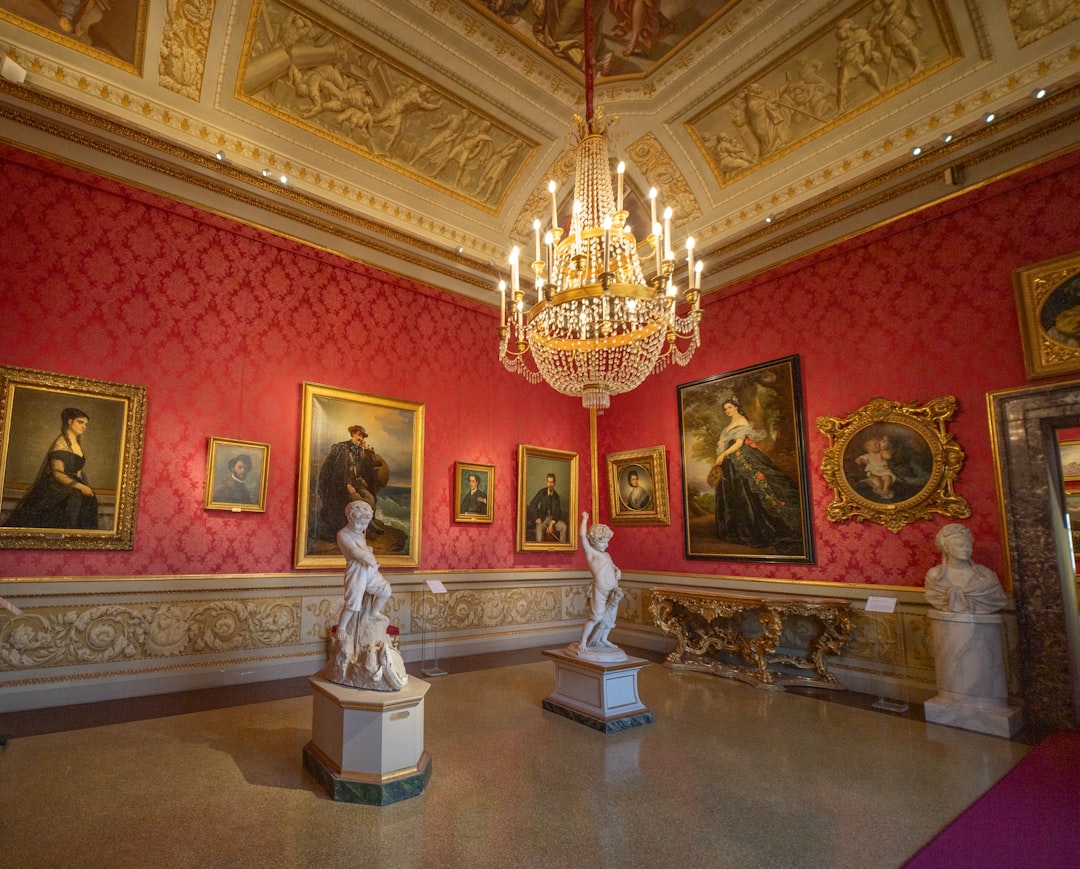
Then there are the Pre-Raphaelites. The Delaware Art Museum holds one of the strongest Pre-Raphaelite collections outside the United Kingdom — Dante Gabriel Rossetti, Edward Burne-Jones, canvases dense with medieval symbolism and jewel-toned color. Walking from the American illustration wing into the Pre-Raphaelite gallery feels like stepping sideways through a century and an ocean.
🏠 HOST INSIGHT OPPORTUNITY:
"What do you tell guests about these museums that they wouldn't find online?"
✅ IF HOST PROVIDES WISDOM: "But the part that changes everything is [HOST INPUT HERE]."
⬇️ ALTERNATE (if no host wisdom): "But the pattern that repeat visitors tend to follow is starting at the Delaware Art Museum in the morning, when the galleries are nearly empty and the Pyle collection gets the silence it deserves — then driving to the Brandywine Museum of Art in the afternoon, when the river light is at its best and the Wyeth rooms feel less like a museum and more like a family home you've been invited into."
The obvious instinct is to start at the Brandywine Museum of Art. It's the name people recognize, the one that appears on every Brandywine Valley itinerary, and there's nothing wrong with that instinct — the collection earns every visitor it draws.
But the afternoon changes shape depending on which museum anchors it. Both occupy the same axis — American illustration, Brandywine Valley painting tradition, the visual culture that grew from this stretch of the mid-Atlantic — but they pull in different directions. The Brandywine Museum celebrates what that tradition became: a family legacy, a landscape identity, a name synonymous with a place. The Delaware Art Museum preserves what that tradition came from: the teacher who built the school, the transatlantic influences that shaped the early students, the quieter archive that predates the fame.
Starting at the Brandywine means anchoring in the familiar — the Wyeth name carries you in, and the broader illustration tradition extends the afternoon's reach. Starting at the Delaware Art Museum means anchoring in the unexpected — Pyle's originals reframe the Wyeth legacy before you've seen a single Wyeth canvas, and the Pre-Raphaelite wing sends you into a register you didn't plan for. One approach starts with the name and discovers the lineage. The other starts with the lineage and sees the name differently.
Where (Brandywine Museum of Art): 1 Hoffman's Mill Road, Chadds Ford, PA 19317. Located on U.S. Route 1, riverfront setting along the Brandywine Creek.
Where (Delaware Art Museum): 2301 Kentmere Parkway, Wilmington, DE 19806. Residential parkway setting in the Kentmere neighborhood.
Hours: Both museums maintain regular schedules with seasonal adjustments. Check current hours and any temporary closures before planning: brandywine.org and delart.org.
Admission: The Delaware Art Museum has historically offered free admission on Sundays — verify the current policy at delart.org before planning around it.
Drive between museums: The two museums sit roughly thirty minutes apart via Route 1 and I-95, depending on traffic. Combining them in a single afternoon is practical if you plan your timing.
Parking: Both museums have on-site parking. Neither typically presents a parking challenge outside of special exhibition openings or peak holiday weekends.
Lodging note: The Brandywine Valley's art museums draw day-trip traffic year-round, with heavier visitation during holiday weekends and major exhibition openings. Guests planning a full cultural day — museum visits plus a dinner reservation in Wilmington or Chadds Ford — find that booking lodging in advance opens up quieter, more spacious options in the surrounding communities.
The painting tradition that defines the Brandywine Valley started in one place and became famous in another. Which museum you visit first doesn't determine which tradition you prefer — it determines which part of the story you hear first. The teacher's archive or the family's gallery. The source or the legacy. Either way, you leave knowing that the valley's art didn't spring from one name. It grew from a conversation between generations — and both sides of that conversation are still hanging on the walls.
Want to feature your business on the DirectStay Blog?
Want to feature your business on the DirectStay Blog?

Connect with travelers, share your space, and join a community of hosts earning together.
Become a host