

 DirectStay

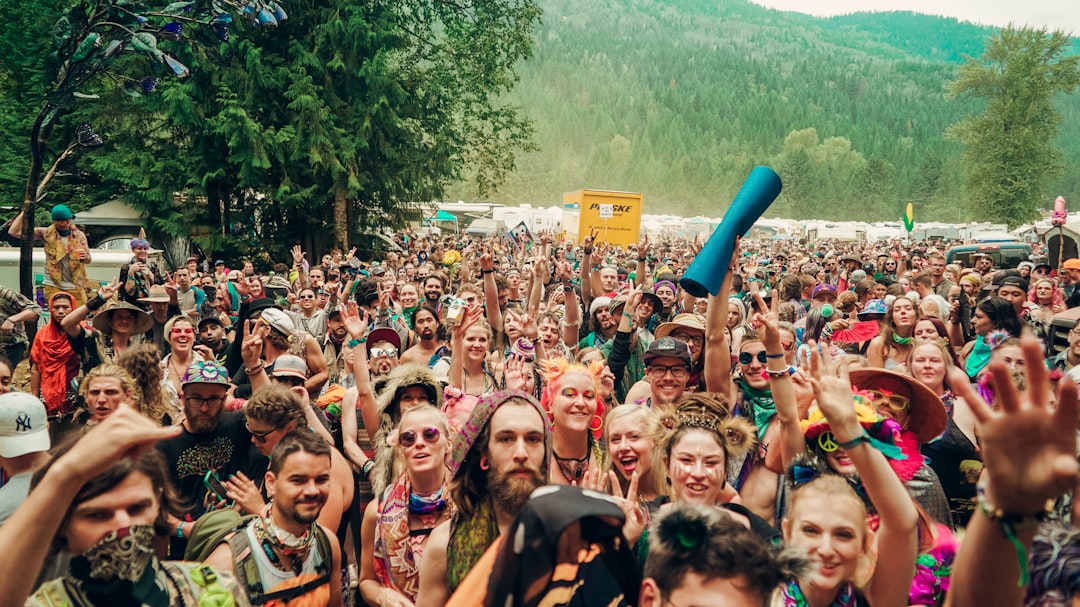
Late February in Anchorage is its own decision. The city pulls dark early, the temperature settles somewhere a visitor doesn't want to think about, and for roughly two weeks downtown rearranges itself around a festival that's been here since before statehood. Fur Rondy is what locals do with winter instead of waiting it out. The confession is simple: after years of living here, I still take first-timers in February instead of June, because June shows them Alaska and February shows them Anchorage. The streets you walked yesterday turn into a sled dog course. The block where you got coffee fills with snow sculptures taller than the parking meters. And then there's the part of Rondy nobody prepares guests for — the ninety seconds when 4th Avenue becomes a reindeer stampede and a thousand people in costume try to outrun it.
Fur Rondy runs about eleven to twelve days across late February and early March, with fan-favorite events stacked on the two weekends that bracket it. In 2026, the dates are February 26 through March 8. The window shifts by a day or two year to year depending on how the calendar falls, so verify the current year at furrondy.net before planning around a specific weekend.
The festival traces back to 1935, when Vern Johnson and a small group of Anchorage residents conceived a winter sports carnival to give the town — then a community of about 3,000 — something to do while miners and trappers returned from their winter work. The first event ran February 15–17, 1936: skiing, hockey, basketball, boxing, and a children's sled dog race down 4th Avenue. Canceled during WWII. Resumed 1946. Managed since 1955 by Greater Anchorage, Inc., the non-profit that still runs it today.
What changes during Rondy is the geometry of downtown. 4th Avenue — normally the spine carrying you between hotels, the Anchorage Museum, and the restaurants on G and F — is no longer a through-street on race weekends. The Open World Championship Sled Dog Race turns the avenue into a course over three consecutive days of heats. The Grand Parade takes 5th Avenue for a few hours on a Saturday morning. The Frostbite Footrace takes the downtown grid earlier that same morning. The Running of the Reindeer closes 4th Avenue between H and D on its Saturday afternoon. And the snow sculpture championship turns the slope at Ship Creek into a gallery of carved ice.
If you're used to walking between two destinations downtown, assume the walk is longer during Rondy — not because of distance, but because of the detour. Every block you thought was a shortcut is probably closed for something.
Most visitors come for two things. The Running of the Reindeer is the one that gets photographed — costumed runners in four "herds," real reindeer behind them, a footrace that's mostly spectacle and a Toys for Tots fundraiser at the same time. 2026 is the 18th annual running. It lasts about ninety seconds per herd, which means the hour you spent finding a spot along 4th Avenue is the actual experience, not the run itself.
The sled dog races are the older event, and if you grew up anywhere warm, they will reframe what "fast" means. The teams come through downtown at a speed that doesn't match your internal image of sled dogs. The starting line at 4th and D is where the crowd stacks deepest; the finish line draws its own crowd a few hours later.
Then there are the events locals love and visitors overlook. The Outhouse Races on skis. The Charlotte Jensen Native Arts Market, which anchors the festival's Alaska Native cultural programming — artists from across the state, Silver Hand certification (see Blog #8) visible on authentic work. The snow sculpture competition at Ship Creek. A Rondy Melodrama running most nights of the festival. The Blanket Toss — a traditional Alaska Native practice that joined the festival in 1950, where participants can be launched up to 20 feet in the air on a hand-held hide. The ConocoPhillips Fireworks Extravaganza over a Saturday evening. The carnival lot at 3rd and E.
Rondy now draws up to 100,000 visitors across its run, hosts 25 official events plus about 50 "Rondy Around Town" community events, and partners with more than 40 local nonprofits.
The most common misread is treating Rondy like a convention — as if there's a schedule you follow from event to event, moving through programming efficiently. That's not how it works. Rondy is a condition the city enters for two weeks. You show up to 4th Avenue and the event is already happening whether you had tickets or not. You wander past a snow sculpture on your way to dinner. The festival finds you more than you find it.
The second misread is dressing like it's "winter" — the way winter feels in Seattle or Denver. Late February in Anchorage is structurally colder, and standing still for ninety seconds waiting for the reindeer is different from walking for ninety seconds to the restaurant. Layer for stillness, not motion.
The third — and this one is less of a mistake than a missed connection — is assuming Rondy ends when Rondy ends. The ceremonial start of the Iditarod is the first Saturday of March, which overlaps the final weekend of Fur Rondy. The dog teams lining up on 4th Avenue at dawn for the launch of the Last Great Race aren't part of Rondy — they're run by the Iditarod Trail Committee — but the two events share the same downtown and the same weekend. If you're coming for one, you can catch the other without changing your flight.
Event: Anchorage Fur Rendezvous (Fur Rondy). Annual, typically held over roughly eleven to twelve days spanning late February and early March. 2026 dates: February 26 – March 8. Verify this year's exact dates at furrondy.net.
Where: Festival events spread across downtown Anchorage. Snow sculpture competition at Ship Creek. Sled dog races on 4th Avenue (start at 4th and D). Running of the Reindeer on 4th Avenue between H and D Streets. Grand Parade on 5th Avenue. Carnival lot at 3rd and E.
When to go: The two weekends pull the biggest crowds and stack the marquee events (sled dog heats, parade, reindeer run, fireworks). Weekday programming is quieter — melodrama, community events, arts market — and easier to work around. Verify the current year's event-by-event schedule at the official site.
Running of the Reindeer (2026): Saturday, March 7, 4:00 PM. 4th Avenue between H and D. Registration available at furrondy.net/events; day-of registration at the Dena'ina Center, noon to 3:30 PM on race day. Online registration typically closes 10 PM the Friday before. Fundraiser for Toys for Tots.
Tickets: Some events are free to spectate (sled dog races, snow sculptures, Running of the Reindeer spectating). Others are ticketed (Running of the Reindeer registration, Melodrama, 21+ parties, Royal Tea & Coronation). Pricing and registration at furrondy.net/events.
Road closures: 4th Avenue, Cordova Street, and portions of 5th and 6th Avenues see rolling closures across both weekends for sled dog races, parade, footrace, and reindeer run. The pattern is consistent year to year, but exact hours shift with the schedule. Check the Anchorage Police Department's traffic updates page and Fur Rondy's downtown map the week of your visit.
Parking: Downtown garages fill on race mornings. Arrive early, park once, and walk between events — the festival footprint is compact enough that a single parking spot can anchor your whole day. Use the PayByPhone app for downtown meters and EasyPark garages.
Rideshare: Available but slow around race starts and parade finishes when crowds are dispersing simultaneously. If you're in a group, plan your pickup a block or two off the closure grid.
Dressing for it: This is cold-weather spectating, not cold-weather hiking. You're standing still. Bring more insulation than you think you need — the difference between enjoying ninety seconds of reindeer chaos and retreating for coffee halfway through is your base layer.
Dinner timing: Downtown restaurants fill earlier than normal on race nights. Reservations help, or shift dinner after 8 PM when the first wave has cleared.
Iditarod overlap: The Iditarod Ceremonial Start happens on the first Saturday of March, which falls within the final weekend of Rondy. Separate event, separate organizers, same downtown. See Blog #26 for planning around the Iditarod specifically.
Rondy draws visitors from across the state and down from the Lower 48, and accommodations across Anchorage fill earlier than a normal February weekend. Anchorage has over 10,000 hotel rooms in its inventory, but demand compresses the best options fast. Guests staying in Eagle River, Palmer, or further out along the Glenn Highway tend to arrive in the morning, park once downtown, and build the full day around the festival footprint — the drive home becomes decompression rather than a midday logistics problem. Booking in advance opens up quieter, more spacious options outside the downtown core.
Fur Rondy is the answer to a question most visitors don't think to ask about Alaska — what happens here in the months that don't show up on a tourism reel. The short version is that the city doesn't hibernate. It builds snow sculptures, lines up dog teams on 4th Avenue, and spends eleven days proving that winter is something you do, not something you endure.
June shows you the Alaska that sells itself. February shows you the Anchorage that stays.
Want to feature your business on the DirectStay Blog?
Want to feature your business on the DirectStay Blog?

Connect with travelers, share your space, and join a community of hosts earning together.
Become a host