

 DirectStay

An Anchorage afternoon built around culture comes down to one question: how close do you want to get? The Anchorage Museum puts 10,000 years of the North behind glass, where you can study it — a 48-seat Thomas Planetarium overhead, more than 600 Alaska Native cultural pieces from what the Smithsonian calls its largest and longest loan ever made, a Smithsonian Arctic Studies Center that does serious scholarly work on the same floor where kids touch a woolly mammoth replica in the Discovery Center. It's Alaska's largest museum, and it's a building that asks something of your attention. Then there's the other path, where the work isn't behind anything — where living artists appear in front of you, where carvers answer your questions about the wood, where dancers move on a stage the size of a living room, where a 26-acre wooded campus with six full-size traditional dwellings represents the state's 11 major Alaska Native cultural groups in their own words. What you want from the afternoon is already in how you answered that question.
The Anchorage Museum opened in 1968 as a partnership to mark the 100th anniversary of Alaska's purchase from Russia — a federal grant, the vision of Mayor Elmer Rasmuson, and the fundraising of his wife Mary Louise Rasmuson combined to put 60 borrowed paintings and 2,500 historic and ethnographic objects on the floor on opening day. The permanent collection now holds more than 27,000 objects and spans pre-contact Alaska, contemporary Native art, and the physical story of the land itself — across four floors of gallery space and roughly 170,000 square feet on a city block in downtown Anchorage. Annual visitation runs over 180,000.
The Smithsonian Arctic Studies Center opened its Alaska regional office inside the museum in 1994 — the first regional office of the Smithsonian outside Washington — and in 2010 it launched the permanent exhibition Living Our Cultures, Sharing Our Heritage: The First Peoples of Alaska. That exhibition brought more than 600 Alaska Native cultural heritage pieces back to the state: the largest and longest loan the Smithsonian has ever made. Aleut hunting hats, Tlingit battle helmets, Yup'ik gut parkas, ceremonial masks, waterproof clothing made from seal intestines — the kind of detail that becomes clearer the longer you stand in front of it. The Arctic Studies Center occupies a 10,000-square-foot space within the museum that includes the gallery alongside workshop and community meeting space for Alaska Native Elders, artists, and scholars.
The museum became Alaska's first Smithsonian Affiliate in 2014, and it's been named to Condé Nast Traveler's Top 50 Museums in the United States. The Imaginarium Discovery Center — a distinct space for kids and families, with a Spark!Lab station for hands-on invention developed in collaboration with the Smithsonian Lemelson Center — occupies a floor of its own. Parents tend to lose more time there than they planned. The Thomas Planetarium runs scheduled shows on a separate ticket; full-service Muse restaurant and Atrium Café handle food on-site.
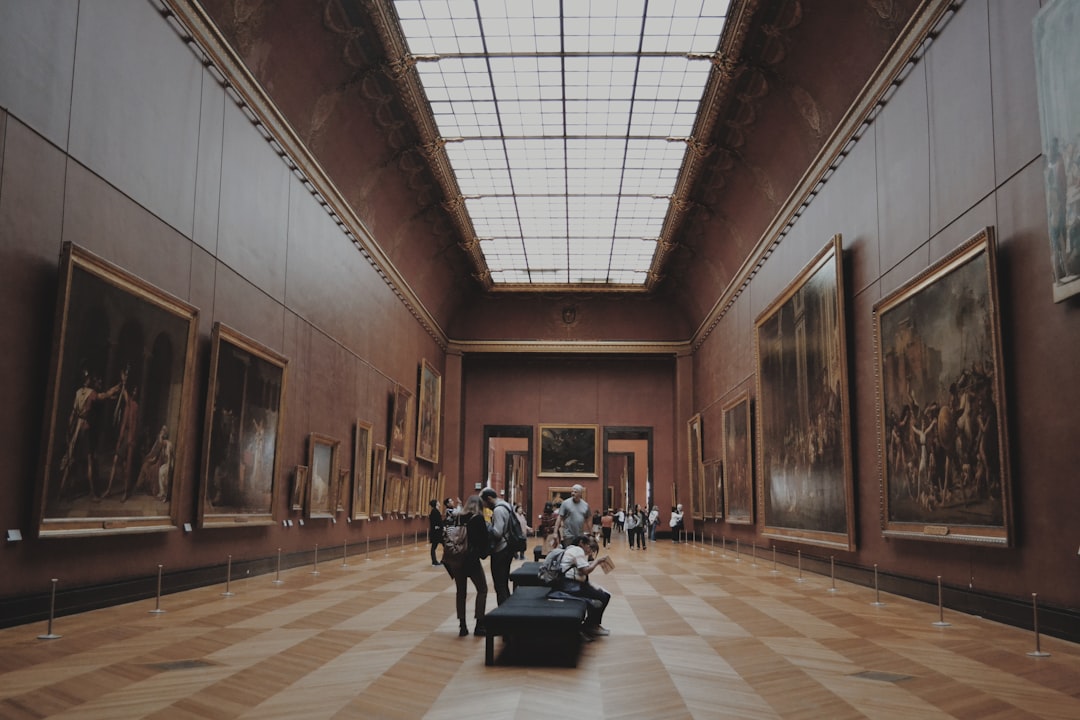
What the museum asks of you is focus. The experience rewards people who slow down, read the text panels, return to a single object and look at it again. The distance between you and the work is intentional. It's a curatorial choice, not a limitation.
The Alaska Native Heritage Center sits 10 miles northeast of downtown on 26 wooded acres in the traditional territory of the Native Village of Eklutna, a Dena'ina Athabascan Tribe. Created by a unanimous vote of the Alaska Federation of Natives in 1987 and opened to the public in 1999, the center is designed around the premise that culture doesn't belong behind glass — it belongs in motion. The welcome sign at the entrance greets visitors in 20 Native languages.
Eleven Alaska Native cultural groups maintain presence here: Athabascan, Yup'ik, Cup'ik, Alutiiq, Unangax (Aleut), Siberian Yupik, Iñupiaq, Eyak, Tlingit, Haida, and Tsimshian. Six life-sized traditional dwellings around Lake Tiulana represent the cultural areas those eleven peoples come from — and the practitioners inside those dwellings are Culture Bearers, not performers.
The difference surfaces fast when you arrive. A carver working on a mask at the Heritage Center will answer your questions about the work — where the wood came from, what the form means, how long it takes to learn to hold the blade this way. That conversation is the exhibit.
During the summer season, dance performances happen daily on The Gathering Place stage inside the main building. The Ch'k'iqadi Gallery — named for a Dena'ina Athabascan word meaning "the things we buy" — carries work from Alaska Native artists; look for pieces associated with the Silver Hand program, which distinguishes authentic handmade Alaska Native work from mass-produced imitations. Café Di'eshchin — Dena'ina Athabascan for "I'm Hungry" — handles food and coffee on the deck during summer.
Full programming runs May 10 through September 13 in 2026. Winter visits are self-guided — the Village Sites remain open, films run in the theater, and the gallery stays accessible, but the live demonstrations don't happen outside peak season. If your visit falls outside summer, check the current schedule at alaskanative.net before planning around specific programming. Note that ANHC has had occasional brief construction-related closures during 2026 — confirm the day before you go.
Both places ask you to pay attention to 10,000 years of human presence in this landscape. They put you at different distances from it.
The Museum gives you curation, sequence, and the physical protection of a case. You leave knowing more. The Heritage Center gives you proximity and unrepeatable conversation. You leave knowing differently. Neither is more accurate. Neither is more authentic. They're calibrated for different modes of attention, and most visitors are more strongly one mode than the other by the time they arrive.
The lunch question in the title is real: the Museum has Muse and the Atrium Café. The Heritage Center has Café Di'eshchin (open daily summer only). Where you end up eating is often where you spent the morning — and you'll know by then which version of the afternoon you needed.
Where: 625 C St, Downtown Anchorage, AK 99501.
Hours (winter, Oct–Apr): Mon closed. Tue–Sat 10 AM–6 PM. Sun 12 PM–6 PM. First Fridays extend to 9 PM with free admission 6–9 PM.
Hours (summer, May–Sep): Daily 10 AM–6 PM. First Fridays extend to 9 PM with free admission 6–9 PM.
Admission: $25 adult (18–64); $23 ages 13–17, seniors (65+), military, students; $20 Alaska resident (18–64); $12 ages 6–12; free under 6. Free for enrolled members of federally recognized tribes. Planetarium shows carry a separate admission. AAA/LifeBalance discount available on-site ($1 off adult). Verify current pricing at anchoragemuseum.org.
Reservations: Not required for general admission. Planetarium shows may sell out on busy days — check availability at the door or online.
Parking: Street parking on 6th Ave and C St; the museum's underground garage is accessible from 7th Avenue and is open to the public on evenings and weekends, with designated parking for people with disabilities available anytime.
Phone: (907) 929-9200
Recent recognition: Condé Nast Traveler Top 50 Museums in the United States. First Smithsonian Affiliate in Alaska (2014).
Free admission days: Memorial Day (Mon May 25, 2026 — for current and past military and up to 5 family members), Indigenous Peoples' Day (Sat Oct 9, 2026 observance, sponsored by Alaska Airlines — note museum closed on the actual holiday Mon Oct 11, 2026), Veterans Day (Sun Nov 11, 2026 — current and past military). First Fridays 6–9 PM are free to all. $5 Third Thursdays Oct–Apr discount day.
Where: 8800 Heritage Center Dr, Anchorage. Approximately 10 miles northeast of downtown, off the Glenn Highway.
Summer Season 2026: May 10 – September 13. Open 7 days, 9 AM–5 PM. Full programming including guided tours, dance performances, Native Games demonstrations, exhibitions, films.
Winter Season 2025–26: September 15, 2025 – May 9, 2026. Open Monday through Friday, 9 AM–5 PM. Self-guided only — live demonstrations don't run in winter. Café Di'eshchin closed for the season. Verify the current schedule at alaskanative.net before planning around specific programming.
Admission: Current adult and child pricing at alaskanative.net.
Reservations: Not required for general admission.
Summer shuttle: A complimentary round-trip shuttle runs between the Log Cabin Visitor Center (546 W 4th Ave) and the Heritage Center June 1 through September 13, 2026. First-come, first-served, 15 seats. A useful option if you don't want to drive the ten miles.
Getting there (if driving): A car is the most reliable option outside the shuttle window. Rideshare is available but can be inconsistent in this area — plan your return before you go.
Construction note: ANHC has had occasional brief construction-related closures during 2026 (Feb 2–4, April 10). Verify the day before your visit at alaskanative.net.
Both attractions are half-day to full-day experiences. Guests staying in the greater Anchorage area can reach both in the same day — Museum in the morning, Heritage Center in the afternoon, with a dinner reservation downtown as the close. Plan around the Heritage Center's seasonal hours first, since that programming window is narrower. Accommodations across the wider Anchorage region put both stops within reach; arriving early and parking once makes the day run cleanly.
Two buildings, the same question: what does it mean to know a place?
One answers through object and context — the careful distance that lets a thing be studied. The other answers through presence — the kind of knowledge that can only move between people while they're in the same room.
Most travelers need a little of each before they feel like they understand where they've landed. Anchorage gives you both in an afternoon. Which one you start with tends to say something about where you're already at.
Want to feature your business on the DirectStay Blog?
Want to feature your business on the DirectStay Blog?

Connect with travelers, share your space, and join a community of hosts earning together.
Become a host