

 DirectStay

The heaviest green cabbage ever recorded anywhere on earth came out of the Mat-Su Valley. A hundred and thirty-eight pounds, grown in Palmer soil by a man who has been chasing giant-vegetable records for more than twenty years. It sits in photographs now, and the Guinness plaque still credits it, but every August a new crop of contenders gets wheeled into a barn at the fairgrounds while a crowd presses in to watch the scale. This is the signature moment of the Alaska State Fair, and it tells you almost everything about what the valley becomes for eighteen days at the tail end of summer. Pioneer Peak sits unchanged on the skyline. The Glenn Highway still curves north out of Anchorage the same way it always does. But the exit at Palmer changes gravity, and the entire Mat-Su corridor tilts toward one patch of ground where the growing season finally pays off — in produce, in concerts, in rodeo dust, and in a version of Alaska that looks nothing like the postcard.
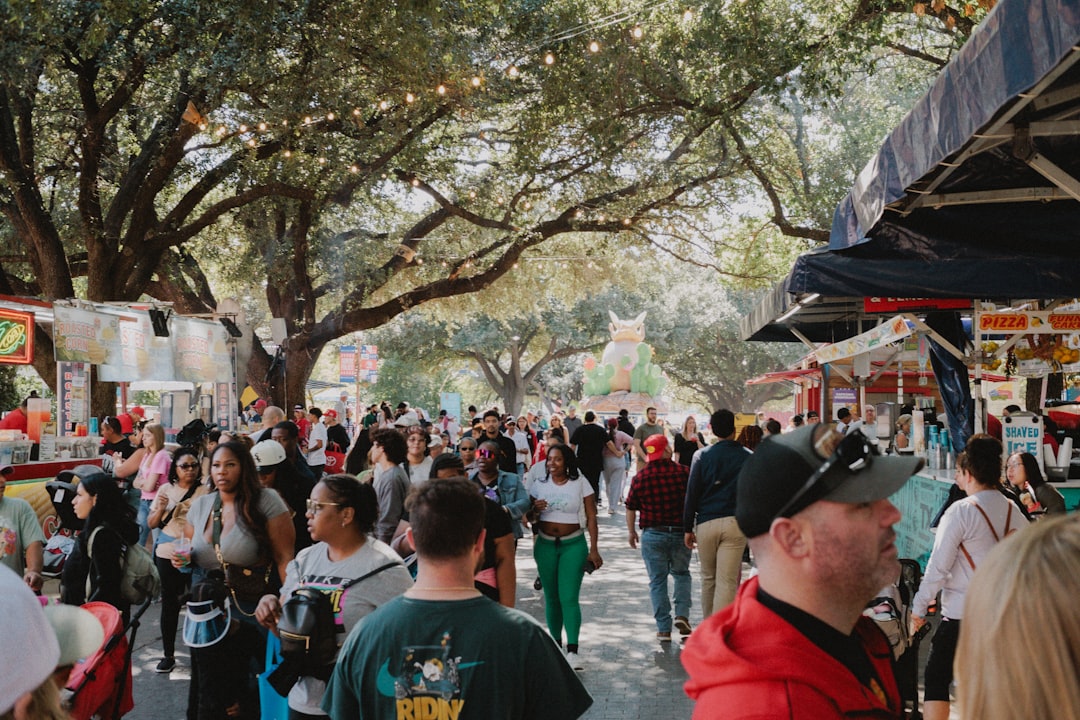
A week before the fair opens, Palmer is a farm town of roughly 7,000 people with one of the shortest, most productive growing seasons on the continent — more than eighteen hours of summer daylight driving tomatoes and cabbages and dahlias toward proportions that don't make sense anywhere else. Then the gates open and hundreds of thousands of visitors move through the fairgrounds across the eighteen-day run. The 2025 fair set an all-time attendance record at just under 388,800 people across its run, up from 370,485 in 2024. On a record Saturday, the crowd on the fairgrounds runs many times the town's full population.
Concerts book into the Borealis Theatre, home of the ConocoPhillips Alaska Concert Series — 2025 featured Rainbow Kitten Surprise, Billy Currington, Foreigner, and two Weird Al Yankovic shows. The Giant Cabbage Weigh-Off, the event most visitors don't realize is the actual soul of the thing, draws a crowd that includes growers from Wasilla, Salcha, and every valley in between — people who know exactly what a record looks like because they've seen one. In 2012, Scott Robb of Palmer set the current Guinness world record at 138.25 pounds with his "Palmer Pachyderm" cabbage, grown at Colony Greenhouse alongside his wife Mardie. Previous record holder was Wasilla's Steve Hubacek at 127 pounds in 2009. Recent winners have come in between eighty and a hundred pounds. Nobody has caught Robb yet. The cabbage statue outside Palmer's visitor center is a serious tribute, not a joke — and a Palmer-area state legislator introduced House Bill 202 to designate the giant cabbage as Alaska's official state vegetable.
The drive from Anchorage to Palmer is roughly fifty minutes on a normal Tuesday. On fair Saturdays, it behaves like a different highway. Traffic thickens at the Palmer exits well before the gates open, and it stacks in reverse at closing time. On the sold-out Weird Al Saturday in August 2025, some drivers spent several hours reaching the fairgrounds on Mat-Su routes that normally take under thirty minutes. Locals who work in Anchorage and live in the valley learn to avoid the corridor entirely during the middle weekend.
The trick most visitors miss is that weekdays — particularly Thursdays — carry the same lineup, the same cabbage barn, the same Pioneer Peak backdrop, and a fraction of the crowd. The fair's schedule includes four closed days (Tuesdays and Wednesdays mid-run, confirmed for 2026 as August 25, August 26, September 1, and September 2), which means the open weekdays function as something closer to a local festival than a regional spectacle.
Calling it a state fair understates the structure. It's an agricultural competition, a concert venue, a rodeo, barns of livestock, a midway carnival, a beer garden, and a showcase of valley makers — honey, quilts, woodwork, photography, fleece — across eighteen calendar days. The MTA Grandstand handles the demolition derby, monster trucks, and rodeo events; the Borealis Theatre handles the concerts; the Craig Taylor Farm Exhibits handle the agricultural competitions; and the midway handles everything else. First held September 4–7, 1936, organized by members of the Northland Pioneer Grange, the fair has been at its present 300-acre location on the Glenn Highway since 1967.
Late August in the Mat-Su is the hinge of the Alaska calendar. The daylight is already contracting — noticeably shorter each week — but the fair nights run until 10 PM under a sky that still holds color well past dinner. The growing season extends right up to the fair's closing weekend, which is part of why the produce gets so large: the garden keeps building until the scale finally weighs it. The fair is engineered to land on that window. It's the last full breath of summer before the aurora season starts announcing itself on the northern horizon (see Blog #29). Guests who time a trip around it catch two overlapping Alaskas in a single week.
Event: Alaska State Fair, Palmer, Alaska. Held annually from late August through Labor Day. The 2026 dates run August 21 – September 7 (eighteen calendar days with four closed days built in). Verify the current year's dates at alaskastatefair.org.
Where: Alaska State Fairgrounds, 2075 Glenn Highway, Palmer, AK 99645. Mile 40 on the Glenn Highway, against the Chugach and Pioneer Peak. 300-acre site.
Hours: 11 AM – 10 PM on open days. Closed Tuesdays and Wednesdays mid-run (August 25, August 26, September 1, September 2 in 2026). Verify current year's schedule at alaskastatefair.org.
Drive from Anchorage: Roughly fifty minutes via AK-1 N (Glenn Highway) on a normal day. Allow significantly more on fair Saturdays and concert nights — traffic stacks both directions.
Parking: Four color-coded gates — Purple, Red, and Yellow have general parking; Green is drop-off, pick-up, and Will Call only. General parking has been offered free in some recent years; premier parking ran about $35 per day in 2025, with about 120 reservable spots across the four main lots. Verify current-year parking rates, permits, and any RV accommodations at alaskastatefair.org/site/transportation-to-the-fair. Parking on the Glenn Highway itself or in the right-of-way is prohibited and actively enforced.
Rideshare & transit: Rideshare drop-off is at the Green Gate. Regional commuter bus service runs between Anchorage and the Mat-Su Valley year-round — verify current routing and fair-day schedules at the fair's transportation page.
Admission: General admission, season passes, and promotional days (military, senior, youth) change annually. 2025 advance pricing ran about $16 adult / $11 youth and senior; verify current pricing at alaskastatefair.org.
Concert tickets: Grandstand shows at the Borealis Theatre (ConocoPhillips Alaska Concert Series) sell separately from fair admission and have sold out for multiple headliners in recent years. Buy ahead through the fair's box office at alaskastatefair.org.
The Giant Cabbage Weigh-Off: A signature mid-fair event. In 2026 it's the 29th annual weigh-off, scheduled for September 4, 2026. Cash prizes over $2,000 plus a Junior Cabbage Grower Division. Worth planning the visit around — check current-year timing at alaskastatefair.org/site/events/giant-cabbage-weigh-off.
Timing strategy: Weekdays run lighter than weekends. The first and last Saturdays are the heaviest days both at the gates and on the Glenn Highway. Thursdays tend to hit a useful middle — full programming, manageable crowds.
The fair draws regional visitors across its eighteen-day run, and demand concentrates around the two weekends. Valley accommodations fill earlier than a normal late-August weekend. Guests basing out of Palmer or the surrounding Mat-Su communities during fair week benefit from arriving early, parking once, and building a full day at the fairgrounds so the drive back becomes the wind-down. Booking lodging in advance opens up quieter, more spacious options across the valley rather than compressed options closer to the gates.
The cabbage is the story everyone takes home. But the real thing the fair does — quietly, underneath the carnival rides and the rodeo dust — is mark the end of the growing season in a valley that doesn't waste a single hour of summer light.
Eighteen days of exhibits, weigh-offs, and concerts, and then the valley exhales and starts turning toward the dark. A trip to Palmer in late August lets you stand in both versions of Alaska at once.
Whether that's the reason you came, or the surprise you didn't know to plan for, is the only part of this nobody can answer for you.
Want to feature your business on the DirectStay Blog?
Want to feature your business on the DirectStay Blog?

Connect with travelers, share your space, and join a community of hosts earning together.
Become a host