

 DirectStay

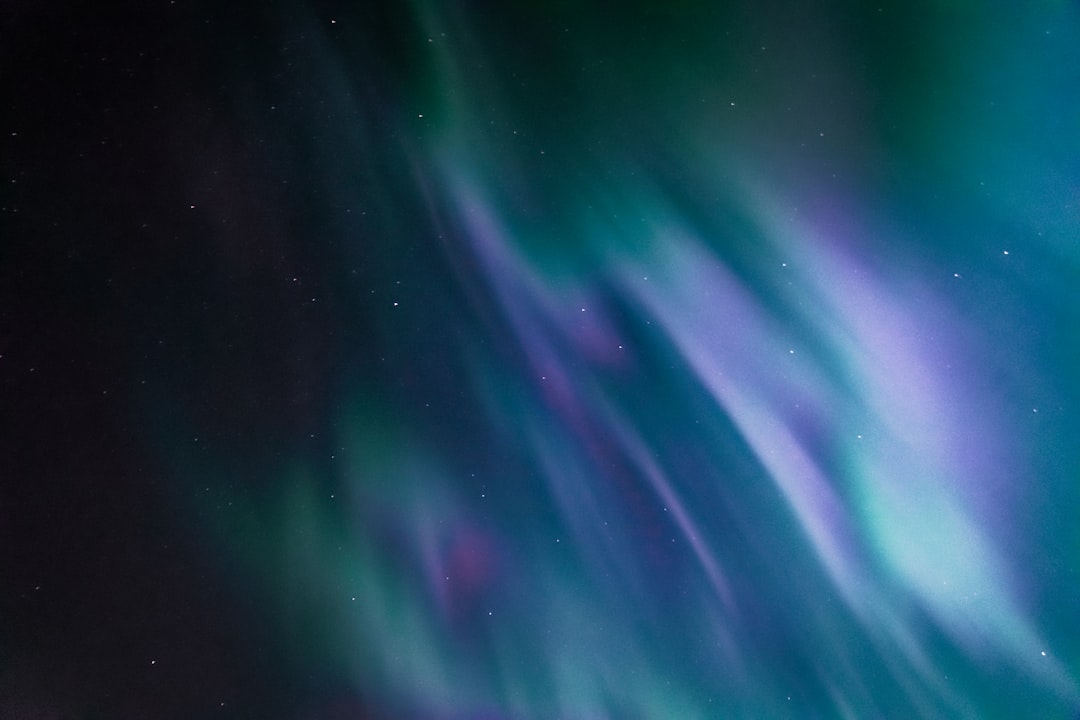
Aurora season isn't a date on the calendar. It's a condition the city slips into for seven months — September equinox through early April — and the traveler who lands in Anchorage during that window makes a decision before they know they've made it. Some people book the trip around the lights: three nights minimum, forecast app installed before the flight, a dark-sky drive already scouted on a satellite map. Others let the trip happen and discover, on the second night, that the green smear above Glen Alps isn't a cloud. Both people see the aurora. They don't see the same aurora. What changes isn't the sky — it's how much of yourself you handed over to the forecast before the trip began. 2026 sits near the tail of Solar Cycle 25's double-peak maximum, which means Anchorage is getting more of what the Interior usually gets: bright displays at lower Kp thresholds, and nights where the oval drops far enough south to put the city under it.
Fairbanks gets the brochure. Anchorage gets the honest version. At roughly 61.2°N — below the main auroral oval that runs over Fairbanks at around 64.8°N — Anchorage typically needs a Kp index of 4 or higher for a modest display on the northern horizon, and Kp 5 or higher for reliably strong overhead activity. Fairbanks sees aurora at Kp 2 to 3. That math used to mean most Anchorage visitors went home without seeing anything. It doesn't mean that now.
Solar Cycle 25 reached its maximum in 2024–2025 and is expected to hold strong activity through 2026 before beginning its decline. Scientists now believe the cycle has produced a double peak — the Sun's northern and southern hemispheres peaking at different times — which extends the heightened-activity window. During strong storms the auroral oval expands southward, producing aurora in Anchorage at Kp 3 to 4 rather than the usual 4 to 5 threshold. Translation: the city is getting more nights when the sky performs, and the tradeoff that used to favor Fairbanks has narrowed.
What this looks like in practice is a shift in the evening economy from late September forward. Restaurants finish their last seating around 9 or 9:30. The Glen Alps parking lot, empty all summer after dinner, starts filling by 10. Forecast apps buzz. Text chains between hosts and guests light up with one-word updates — check or Kp 5 or drive now. Aurora season doesn't replace winter. It overlays a second clock on top of it.
The traveler who built the trip around the lights arrives with a plan. Three nights minimum — because Anchorage's position under the auroral oval means regular displays at Kp 4+, but regular is not nightly. Forecast discipline: the University of Alaska Fairbanks Geophysical Institute aurora forecast is the tool locals check first. A scouted drive, usually Glen Alps or further north toward Eklutna. Layers rated for standing still, not walking. This traveler sees more aurora, but also eats more late dinners and loses more sleep.
The traveler who let the trip happen does something different on night two. They notice the host mentioned the forecast at check-in. They open the app during dinner. They realize the window glows in a direction that isn't the moon. They get in the car without a plan and drive toward darker sky — and the aurora, if it's out, rewards improvisation less reliably than it rewards planning. The difference is cumulative. Over three nights, the planner wins.
Neither posture is wrong. The question the season asks is which one you brought with you — because the sky doesn't care about your itinerary, but your sleep schedule does.
September is the month hosts quietly recommend if the guest will listen. The equinoxes — September and March — bring heightened geomagnetic activity, and September pairs that with warmer nights, fall color on the Chugach, and shoulder-season pricing before winter locks in. Standing still at 40°F is not standing still at 10°F.
October through February is the long darkness. January delivers prime aurora conditions with long, dark nights and often clear skies, but those conditions cost something — daylight shrinks to around 5 to 6 hours, and the drive to a dark-sky pullout requires winter-tire confidence. This is when the forecast-disciplined traveler wins decisively.
March is the other equinox, and the one most visitors underestimate. Spring equinox aurora enhancement around March 19–21 produces memorable displays even as daylight extends rapidly post-equinox. March is the compromise month: long enough nights, warming temperatures, and the geomagnetic bump.
Late April through mid-August is the season's hard close. From late April through mid-August, the midnight sun makes aurora viewing essentially impossible across most of Alaska. No forecast can override the physics of too much ambient light.
Anchorage itself has too much light pollution for good aurora viewing, but Chugach State Park and the Matanuska Valley — 30 to 60 minutes north — offer dark-sky sites against mountain backdrops. The question isn't whether to leave city lights. It's how far.
Glen Alps overlook is the closest legitimate dark-sky access — about a 25-minute drive from downtown, with a scenic overlook offering panoramic views of the Anchorage Bowl, Cook Inlet, and distant Denali on clear days. The elevation helps — roughly 2,200 feet puts you above a lot of the bowl's ambient glow. The tradeoff: the lights of Anchorage remain in your southern view, which is fine because the aurora shows in the north.
Kincaid Park and Earthquake Park sit on the Coastal Trail's western end. Kincaid Park offers the westernmost point, minimizing eastward city light, while Earthquake Park provides an elevated viewpoint over Cook Inlet. These are closer to downtown, which means less driving and more light pollution — a reasonable compromise on a tired night or when the forecast is strong enough that it doesn't matter.
Glenn Highway pullouts past Mile 13 open up as the drive stretches. Eklutna Lake (about 35 miles, 45 minutes) and the pullouts toward Palmer get progressively darker. The sky opens the further you go. So does the drive home at 2 AM.
Full pullout-by-pullout guidance for Anchorage aurora viewing sits in Blog #23, which covers the tactical site-selection question in detail. This blog focuses on the seasonal rhythm; Blog #23 covers the individual spots.
Season: Aurora season runs from the September equinox through early April. Late April through mid-August, the midnight sun effectively ends viewing regardless of geomagnetic activity. Peak darkness months are October through February; equinox months (September, March) bring geomagnetic enhancement.
Forecast tools: The University of Alaska Fairbanks Geophysical Institute aurora forecast is the primary source locals rely on. Check the one-hour short-term outlook plus the 28-day rolling forecast at gi.alaska.edu/monitors/aurora-forecast. For Anchorage specifically, Kp 4+ is a reliable target; Kp 5+ increases odds of strong overhead activity; Kp 7+ can make aurora visible from within city limits.
Dark-sky access points — near Anchorage:
Glen Alps overlook (Chugach State Park) — about 25-minute drive from downtown, roughly 2,200 ft elevation. Alaska State Parks day-use fee or annual pass required. Toilsome Hill Road has a steep switchback — winter tires or 4WD recommended in snow. Verify current road conditions before driving up in winter.
Kincaid Park — roughly 15 minutes from downtown, west side of Anchorage. Free parking. Westernmost point in the city, minimizing eastward light pollution.
Earthquake Park — on the Coastal Trail, closer to downtown. Free. Less dark than Kincaid or Glen Alps; useful when the forecast is strong enough to override moderate light pollution.
Dark-sky access points — further out:
Eklutna Lake area — about 35 miles / 45 minutes from downtown via Glenn Highway. Excellent darkness. Alaska State Parks parking fee applies at the Eklutna Lake area.
Glenn Highway pullouts past Mile 13 — progressively darker heading toward Palmer. No fees for roadside pullouts, but use designated turnouts only.
Minimum trip length: Plan at least three nights during aurora season. A single-night trip is not an aurora trip — it's a trip that might include aurora. Three nights increases cumulative odds substantially and also lets the traveler adjust dress and timing between attempts.
Dressing for stillness: Standing still for two hours at 10°F requires more insulation than hiking in the same temperature. Base layer, insulating mid-layer, insulated parka rated for sub-zero, insulated boots, hand warmers, and a thermos. Cold hands end aurora nights early.
Timing within the night: Aurora can appear any time it's dark. Peak activity tends to cluster between roughly 10 PM and 2 AM local time, though strong storms produce displays earlier. Plan to be at your dark-sky spot by 10 PM on forecast-positive nights and stay at least 90 minutes.
Cloud cover: Cloud cover matters as much as aurora activity. Check the National Weather Service Anchorage forecast alongside the aurora forecast — a high-activity night under full overcast produces nothing visible. Clear or partly clear skies are non-negotiable.
Aurora season overlaps with Anchorage's off-peak months outside of Fur Rondy and Iditarod weekends, which means pricing and availability open up considerably from mid-September through early December and again from late March through April. Guests planning three-plus night stays benefit from basing somewhere with late-night driveway access and parking — returning at 1 AM after a Glen Alps drive is a different arrival than checking into a downtown lobby. Booking ahead opens up options in Eagle River and the Hillside that put you closer to dark-sky starting points without committing to the drive from downtown every night.
Aurora season isn't a question with a right answer. It's a condition that reveals which traveler you brought — the one who checks the forecast before dinner or the one who notices the sky on the way back from the car. Both get what the season offers. One gets more of it.
The decision isn't which to be. It's whether you know, before the trip, which one you already are.
The sky runs its own schedule September through April. The traveler who accepts that runs on it too.
Want to feature your business on the DirectStay Blog?
Want to feature your business on the DirectStay Blog?

Connect with travelers, share your space, and join a community of hosts earning together.
Become a host