

 DirectStay

The snack bag on the back seat seems harmless. So does the cooler in the trunk, the tube of sunscreen in the center console, the baby wipes wedged between the car seats. None of it looks like food. But Yosemite's black bears don't sort by label — they sort by scent. And scent, in bear country, is an invitation that travels through glass, through metal, through whatever you assumed was sealed. The first sign that something went wrong is usually not a sound. It's a window frame bent open like foil, a car door peeled back at the base, a back seat ripped out and tossed aside. The bear got what it came for. Or it didn't — and destroyed the car anyway. This is the mistake hosts watch visitors make, and the one they learn to prevent with a single conversation before check-in.
The National Park Service defines "food" broadly — and the definition catches most visitors off guard. Anything with a scent qualifies. Canned goods. Bottles. Drinks. Soaps. Cosmetics. Toiletries. Trash. Ice chests, even when empty. Sunscreen. Bug repellant. Fuel. Anything used for preparing or eating meals. The bear doesn't distinguish between a granola bar and a stick of deodorant. Both register as worth investigating, and investigating means getting inside.
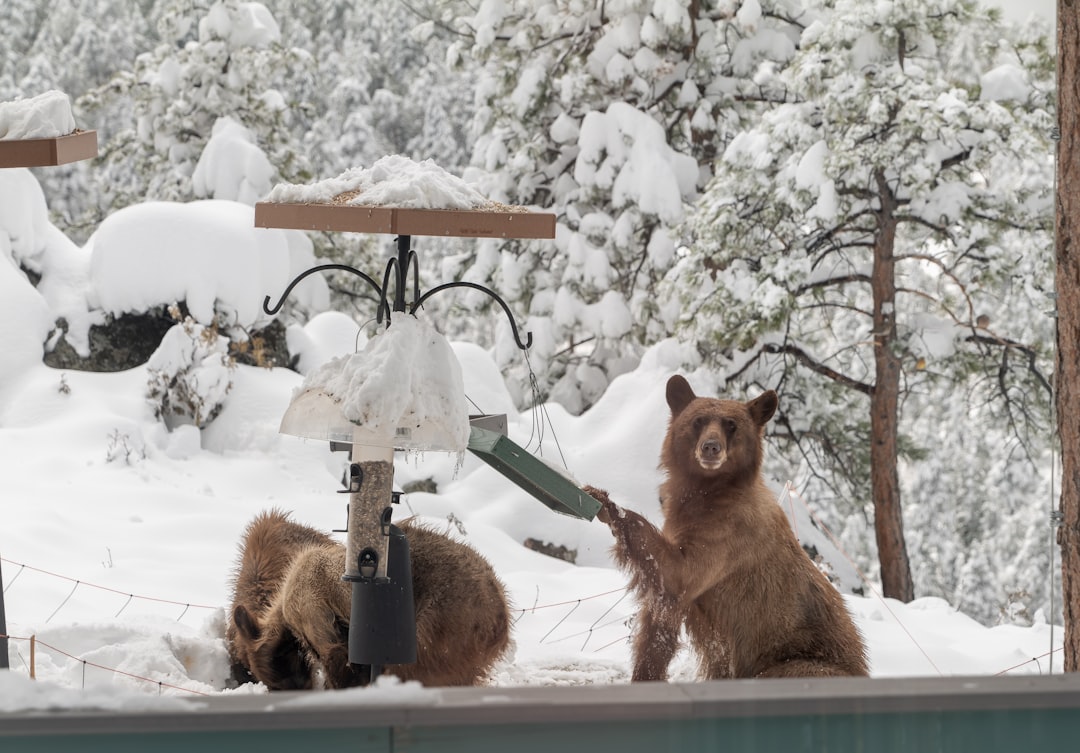
Yosemite is home to hundreds of American black bears. They are persistent, curious, and remarkably efficient learners. A bear that finds food in a car once will try cars again. A bear that keeps finding food near people loses its natural wariness — and a habituated bear, one that no longer fears humans, is a bear whose life expectancy drops. The park has been clear: a fed bear is a dead bear. When a bear becomes aggressive around humans due to food conditioning, rangers are often forced to kill it.
This isn't philosophy. It's the reason the rules exist.
Yosemite's food storage regulations carry the force and effect of federal law. Failure to comply can result in impoundment of food or your vehicle, fines up to $5,000, or removal from your campsite or lodging.
The core rules are simple but absolute:
Vehicles during daylight: You may store food inside your car during daylight hours only — out of sight, with windows completely closed. Never in a pickup truck bed. Never strapped to the outside of a vehicle at any time.
Vehicles after dark: No food in your car after dark. Period. Use a food locker. Clear the car of wrappers, crumbs in baby seats, baby wipes, canned food, drinks — all of it. Think about packing your food and scented items together for easy removal when you arrive.
Campgrounds and tent cabins: All food goes in the food locker at your site. Keep the locker closed and latched at all times — bears check latches. Only have food out that you're actively using. Treat trash and recycling the same as food: locker or bear-proof dumpster, never sitting out.
Hotels and cabins: Keep all food in your room with windows and doors closed when you leave. Bears can and do enter cabins through open windows.
Day use and hiking: Keep food within arm's reach. Don't turn your back to your food. Bears will investigate backpacks and picnic areas in your presence.
Wilderness overnight: Bear-resistant food containers — bear canisters — are required for all overnight hikers throughout Yosemite's wilderness. Counterbalance food hangs are no longer legal. The park maintains a list of approved canister models.
The cost of a single vehicle break-in compounds fast. A bear that peels open a car door or pops a window frame can cause thousands of dollars in damage — whether or not it finds anything worth eating inside. The bear management team reported a confirmed vehicle break-in in Yosemite Valley in 2025 that caused over $2,400 in property damage from a single incident.
But the real cost isn't measured in bodywork estimates. It's measured in what happens to the bear. Bears that repeatedly access human food become habituated. Habituated bears approach people, enter campsites, and grow bolder with each successful raid. When they become aggressive, the outcome is usually lethal — for the bear. Proper storage isn't just about protecting your car. It's about whether that bear is still alive next season.
Yosemite has invested heavily in infrastructure. Food lockers are available at every campsite, every Housekeeping Camp unit, every Curry Village tent cabin, in the Curry Village parking lots, and at nearly all trailhead parking areas. The system works. The failure point is human, not structural.
Common breakdowns: a locker left unlatched while someone runs to the restroom. A cooler left on a picnic table during a ten-minute absence. A bag of trail mix forgotten in a jacket pocket inside a tent. Bears don't need long. They don't need a lot. They need one lapse.
Hosts who've sent enough guests into the park know the rhythm: explain it before they arrive, remind them once more at check-in, and make sure the rental itself has a clean-car protocol for anything guests leave behind at the property before driving in.
The park's guidance depends on where you are. In developed areas — campgrounds, parking lots, lodging — yell loudly and aggressively to scare the bear away. In the backcountry, keep at least fifty yards of distance and don't approach. If a bear is reacting to your presence, you're already too close.
Report all bear sightings, improper food storage, and bear-related problems to the Save-A-Bear Hotline at 209-372-0322 or by email at [email protected].
Rules source: All food storage regulations are published by the National Park Service at nps.gov/yose/planyourvisit/bears.htm. Verify current requirements before your trip — the page is updated as protocols evolve.
What counts as food: Anything with a scent. The NPS list includes canned goods, soaps, cosmetics, toiletries, trash, empty ice chests, sunscreen, bug repellant, and anything used for preparing or eating meals. When in doubt, store it.
Lockers: Available at every campsite, tent cabin, Housekeeping Camp unit, Curry Village parking lots, and nearly all trailhead parking areas. Keep latched at all times.
Bear canisters: Required for all wilderness overnight travel. Counterbalance food hangs are no longer legal in Yosemite. Check the park's approved container list before purchasing or renting: nps.gov/yose/planyourvisit/containers.htm.
Fines: Improper food storage can result in fines up to $5,000, impoundment of food or vehicle, or removal from campsite or lodging. These are federal regulations.
Bear sightings: Report to 209-372-0322 or [email protected]. Report all sightings — not just incidents.
Seasonal note: Bears are active year-round in Yosemite, with highest activity spring through fall. Winter sightings still occur, especially in the Valley and El Portal. Food storage rules apply every day of every season.
Lodging note: Guests staying in gateway communities outside the park carry their food into Yosemite daily. Planning a clean-car protocol — removing all food and scented items before entering the park — keeps the car safe and the park day focused. Booking lodging in advance opens up quieter, more spacious rental options in communities like Groveland, Mariposa, and Oakhurst, where morning prep happens at a kitchen counter, not a campsite locker.
Want to feature your business on the DirectStay Blog?
Want to feature your business on the DirectStay Blog?

Connect with travelers, share your space, and join a community of hosts earning together.
Become a host