

 DirectStay

A Yosemite water day starts with a question most visitors skip right past: are you here to look at water, or get in it? Mirror Lake sits at the quiet end of the Valley where Tenaya Creek widens into a shallow pool and Half Dome fills the surface like a photograph laid flat. Nothing moves. The morning reflection holds until the first breeze, and what you're doing — standing still, watching the granite watch itself — feels like the whole point. Then there's the Merced River a mile south, where the current sets the pace, the sand gets between your toes, and the afternoon turns into the kind of day where nobody checks the trail map. One version of Yosemite's water holds you in place. The other carries you downstream.
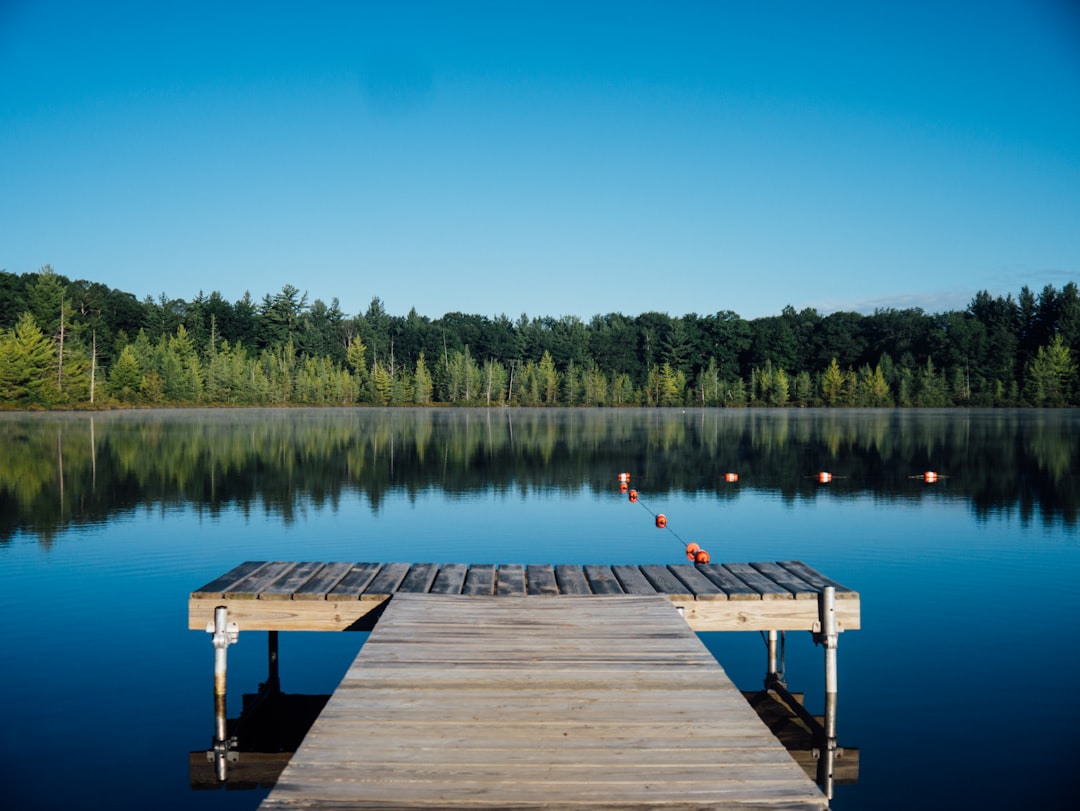
Mirror Lake earns its name only when the conditions cooperate. The lake is actually a wide, shallow section of Tenaya Creek, fed by snowmelt from the high country, and it exists in full form only during spring and early summer. By late August, the water often retreats into sand and meadow grass — locals call this version Mirror Meadow, and the name is accurate. When the lake is present and the morning air sits still, the reflection of Half Dome and Mount Watkins on the water's surface is so complete that photographs taken here are genuinely difficult to orient.
The walk in is gentle. A paved road leads about a mile from the shuttle stop to the lake's edge — leashed dogs, bicycles, and strollers are all permitted on that paved stretch. Vehicles with a disability placard can drive the road. Beyond the lake, an unpaved loop trail continues along Tenaya Creek for a total of roughly four and a half miles, and the crowds thin sharply once the pavement ends. The south side of the loop can flood during spring runoff, so plan accordingly.
What Mirror Lake asks of you is different from what most Yosemite destinations ask. No elevation gain worth mentioning. No trail fitness required. Just a willingness to stand somewhere quiet and let the reflection do the work. Early morning is when it pays — before the wind stirs and before the day's visitors arrive.
Then there's Tenaya Lake, forty-five minutes up the Tioga Road at 8,150 feet, and the experience shifts from reflection to immersion. This is an alpine lake carved by the same glacier that carved Half Dome, with a sandy eastern beach that invites the kind of afternoon you'd associate with a coastline, not a mountain park. The Ahwahneechee called it Py-we-ack — lake of shining rocks — and the name describes exactly what you see: granite domes rising from water so clear the bottom stays visible for yards.
Swimming is permitted. Kayaking and canoeing are permitted. Motorized boats are not. The eastern shore has parking, vault toilets, and a picnic area. The water is cold — snowmelt at elevation doesn't warm quickly — but by mid-July the sandy shallows become the kind of spot where families spread blankets and lose track of the afternoon. A 3.5-mile trail follows the southern shore for anyone who wants to walk and wade and walk some more.
Tenaya Lake shares Tioga Road's seasonal window — typically late May or early June through October or November, depending on snowfall — and when the road is open, the lake is as accessible as any Valley destination. The difference is the quiet. Fewer people make the drive. The ones who do tend to stay.
The Merced River runs the length of Yosemite Valley, and somewhere between the campgrounds and the meadows, it turns into a swimming destination that most first-time visitors discover by accident. The sandy beaches along the Valley floor aren't signed like trailheads. They don't appear on most itineraries. But by mid-afternoon on a summer day, they fill with people who figured out what the river is for.
Sentinel Beach sits along Southside Drive with a picnic area that includes tables, grills, and views upward toward Sentinel Rock. The Merced here runs wide and relatively gentle in summer — the kind of current you can sit in without fighting it, the kind of sand that holds a towel and a cooler. This is the takeout point for Valley rafting, and watching the rafts drift past while you sit on the bank is part of the rhythm.
Cathedral Beach, farther west along Southside Drive, catches El Capitan in the view upstream. The picnic area is first-come, first-served, the spots are fewer, and the result is a stretch of river that feels a shade more private. The current here moves the same water through the same granite — what changes is the company and the sightline.
Swinging Bridge — accessible from shuttle stop 7 — puts Yosemite Falls directly in the background while you wade in. The bridge no longer swings, but the sandy and rocky beach areas below it draw summer crowds for good reason. Shallow sections near the bank work for cautious wading. Deeper sections pull experienced swimmers into the current. The range exists within a few yards of each other.
And then there's the version of the Merced most park visitors never find. Near Wawona, about an hour south of the Valley floor, the South Fork of the Merced River passes under an actual swinging bridge — a forty-foot wooden span with bounce in its step and boulder-lined pools beneath it. The swimming hole here works in late summer, when the water drops low enough for safe entry. In spring, the current rages and the warning signs earn their language. The two trails in are short — the Forest Drive approach covers about a third of a mile on flat ground — and the parking rarely fills because most visitors don't know this spot exists.
The river asks something different of your attention than the lake does. A lake holds you. A river moves past you. Sitting in the Merced, watching the current bend around granite with El Capitan overhead, the park stops being something you look at and becomes something you sit inside. Neither version is the lesser one. But they land differently, and most visitors only discover that by trying both on the same trip.
Where (Still Water): Mirror Lake is in eastern Yosemite Valley — take the shuttle to stop 17. Tenaya Lake is along Tioga Road (Highway 120), roughly 45 minutes from the Valley floor via Crane Flat.
Where (Moving Water): Sentinel Beach and Cathedral Beach are along Southside Drive in Yosemite Valley. Swinging Bridge is accessible from shuttle stop 7. The Wawona Swinging Bridge trailhead is at the end of Forest Drive, near Camp Wawona — take Highway 41 to Chilnualna Falls Road.
Seasonal access: Mirror Lake is fullest in spring and early summer; by late summer it often recedes into meadow. Tenaya Lake requires Tioga Road to be open — typically late May or early June through October or November. Verify road status at nps.gov/yose before planning. Valley river beaches are accessible year-round, though swimming is only practical in summer when water levels drop and temperatures rise.
Swimming safety: The Merced River's current can be deceptively strong, especially in spring and early summer when snowmelt runs high. Never swim above or below a waterfall. Cold water and underwater hazards — submerged boulders, fallen trees — pose risks even in calm-looking stretches. Supervise children closely and enter only at sandy beach areas. Swimming is prohibited at Emerald Pool and Silver Apron above Vernal Fall, at Hetch Hetchy Reservoir and tributaries within one mile, and at a few other posted locations. Check nps.gov/yose/planyourvisit/water.htm for the current list.
What to bring: Swimsuit, quick-dry towel, water shoes for rocky river entry. Sunscreen — eco-friendly formulas help protect water quality. Extra water for Tenaya Lake, where no drinking water is available trailside. Tenaya Lake water temperature stays cold even in summer — consider whether cold-water swimming suits your group before committing.
Parking: Mirror Lake has no dedicated lot — use Curry Village parking and take the shuttle to stop 17, or walk from the campground area. Disability-placard vehicles may drive the paved road to the lake. Tenaya Lake has multiple pullout lots along the lakeshore. Sentinel Beach has a small lot off Southside Drive. Cathedral Beach has limited roadside pullouts. Wawona Swinging Bridge trailhead at Forest Drive has a small lot with vault toilet.
Pets: Leashed dogs are allowed on the paved mile to Mirror Lake but not beyond. Dogs are not permitted on the Tenaya Lake Trail, at Valley river beaches, or on the Wawona Swinging Bridge trail. Check current pet regulations at nps.gov/yose before bringing your dog.
Summer water days in the Valley compress parking and picnic access, especially on weekends. Visitors staying in gateway communities can arrive early, park once near the Valley shuttle, and build a full day between still water and moving water without fighting midday lot turnover. Booking accommodations in advance opens up quieter options in Mariposa, Groveland, or Oakhurst.
Two ways the same park meets you at the water line. One holds the granite so still you forget the surface is liquid. The other runs past your legs and reminds you that nothing in the Sierra stays in one place for long. Yosemite has both within the same day, the same afternoon, the same impulse that made you pack the swimsuit. The question isn't which one is worth it. It's which one you need first.
Want to feature your business on the DirectStay Blog?
Want to feature your business on the DirectStay Blog?

Connect with travelers, share your space, and join a community of hosts earning together.
Become a host