

 DirectStay

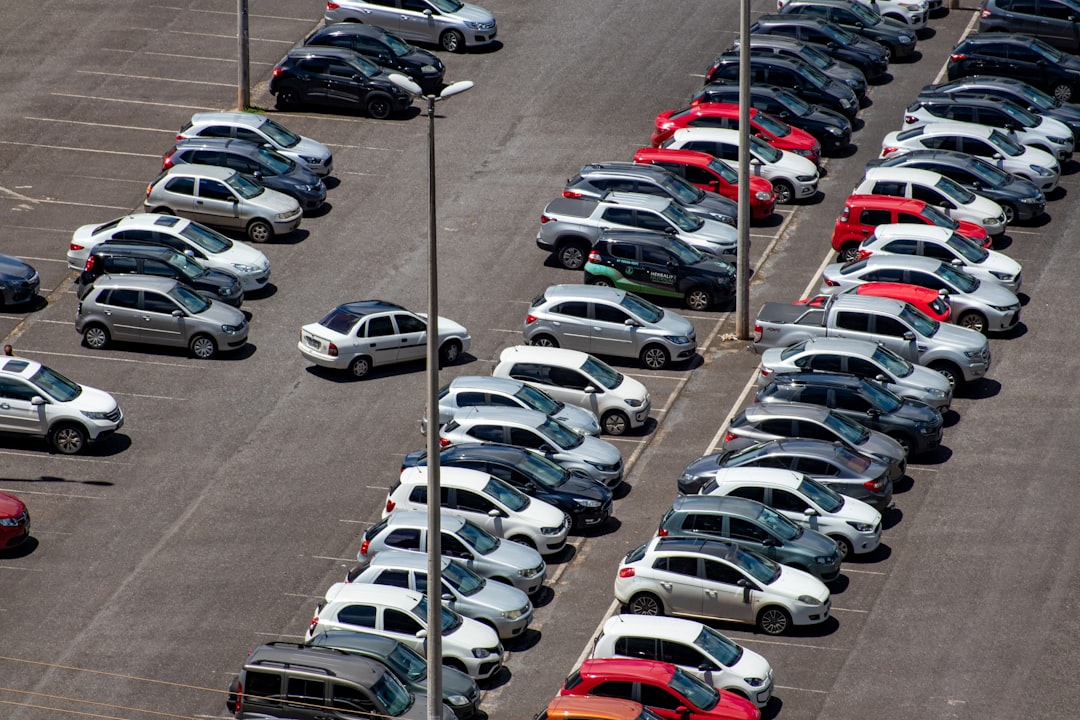
A Yosemite Valley day pivots on one decision most visitors don't realize they're making — and they make it in the first ten minutes. Not which trail. Not which waterfall. Where they park. The lot they land in sets the order of the day, the amount of walking they'll do, and whether the afternoon feels like an adventure or an argument. Visitors who arrive with a plan for Half Dome Village and find it full at 9:30 AM start circling, and circling is where the day begins to unravel. The Valley stretches roughly seven and a half miles long and about a mile wide, threaded by one-way roads that don't loop back the way you'd expect. Once you're past a lot, you're committed to the road's logic — not yours. Hosts who've sent dozens of guests into the Valley know the pattern: the families who park once and surrender the car to the shuttle come back glowing. The ones who tried to drive to every stop come back exhausted. The whole day hinges on the first fifteen minutes.
Yosemite Valley has three primary day-use parking areas, each with a different relationship to what you'll want to do.
Yosemite Village parking sits centrally, near the Welcome Center, the Yosemite Museum, the Village Store, and shuttle connections to nearly everything. It's the largest lot and the most versatile starting point. From here, the free Valley shuttle connects you to trailheads, campgrounds, and viewpoints without moving your car. If you're unsure where the day will take you, this is the lot that keeps the most doors open.
Curry Village parking anchors the eastern end of the Valley. It's the closest day-use lot to the Mist Trail and Vernal Fall trailhead — roughly a mile's flat walk to Happy Isles. Hikers headed for Vernal Fall, Nevada Fall, or the Half Dome corridor often aim here first. The tradeoff: when the day is done, you're at the far eastern end of the Valley, and afternoon exit traffic stacks up as every vehicle funnels west through the same one-way road.
Yosemite Falls parking sits on the north side, nearest to Lower Yosemite Fall and the trail to Upper Yosemite Fall. It's also the closest lot to the park exit road — which means leaving in the afternoon is faster from here than from either of the other two lots. Visitors coming from the south entrance on Highway 41 who plan to leave by mid-to-late afternoon often find this lot the smartest first move.
Each lot fills on its own schedule during peak season, but the pattern is consistent: Curry Village and Yosemite Village fill first, typically by mid-morning on summer weekends. Yosemite Falls parking sometimes holds space slightly longer, depending on the day.
The free Yosemite Valley shuttle runs from 7 AM to 10 PM daily during the summer season. Two routes operate simultaneously: the Valleywide Shuttle, which serves all stops across the Valley floor, and the East Valley Shuttle, which runs a tighter loop through Yosemite Village, Curry Village, the Pines campgrounds, and eastern trailheads.
The system works — but only if you commit to it. Visitors who park once and ride the shuttle all day move through the Valley the way locals do: without stress, without circling, without the slow boil of watching someone else take the last spot. The shuttle connects every major trailhead, every food option, every viewpoint. It eliminates the need to move a vehicle for any reason.
The catch is frequency. During peak midday hours, the Valleywide Shuttle runs roughly every 12 to 22 minutes, and the East Valley Shuttle every 8 to 12 minutes. At the busiest stops — Curry Village and Yosemite Village — waits can stretch longer as buses fill. Patience matters. But compare a 15-minute shuttle wait to a 45-minute loop through one-way roads looking for a spot that doesn't exist, and the math is clear.
Every host who's guided guests through a Yosemite day says the same thing: arrive before 9 AM. Not because the park opens then — it's open around the clock — but because the parking window narrows fast once it does.
Between 7 and 9 AM on a summer morning, the Valley is still absorbing vehicles. Lots have space. Roads flow. The shuttle buses are half-empty. The trails are cool, the waterfalls catch early light, and the crowds haven't compounded yet.
By 10 AM on a peak weekend, the dynamic shifts. Lots begin closing. Rangers redirect vehicles. The one-way road system, designed to manage flow, starts managing frustration instead. Visitors arriving after 10 AM in peak season should expect to rely on the shuttle from wherever they can find a spot — and that spot may not be the one they planned on.
The host insight that took years to learn: the 7 AM arrival isn't about being a morning person. It's about buying yourself the freedom to be spontaneous for the rest of the day. Park early, and everything that follows is a choice. Arrive late, and everything that follows is a reaction.
Yosemite Valley's road system is mostly one-way. Northside Drive runs west, Southside Drive runs east, and a handful of crossover roads connect them. This means overshooting your destination has real consequences — you can't simply turn around. You're carried forward by the road's own logic until it loops you back, which can add 20 to 30 minutes to what felt like a small mistake.
First-time visitors underestimate this. They pass Yosemite Falls parking, thinking they'll circle back, and find themselves funneled past Curry Village and around the eastern loop before they have another chance. In peak traffic, that loop takes longer than it looks on the map.
The solve is simple: decide where you're parking before you enter the Valley, and commit. Don't browse lots hoping for something better. The first available space in a lot that connects to the shuttle is the right space.
For guests staying in gateway communities — Mariposa, Groveland, Oakhurst, El Portal — the Yosemite Area Regional Transportation System (YARTS) eliminates the parking question entirely. YARTS buses run scheduled routes from gateway towns into Yosemite Valley, with the park entrance fee included in the fare. Passengers arriving by YARTS are dropped at Yosemite Village, already inside the Valley with no parking to negotiate. The free Valley shuttle takes over from there.
YARTS runs year-round on the Highway 140 corridor from Merced through Mariposa, with seasonal routes from Fresno, Sonora, and Mammoth Lakes. Reservations are recommended during peak season. For visitors who want to remove the parking variable entirely, YARTS turns the transit into scenery instead of stress.
How you parked in the morning determines how the afternoon ends. Visitors who parked at Yosemite Falls and are ready to leave by mid-to-late afternoon have the shortest path to the exit. Those who parked at Curry Village face the longest exit crawl — the one-way road means every departing vehicle funnels through the same western corridor.
Hosts who know the Valley well offer this timing advice: if you parked in the eastern end, stay late. Let the 3 to 5 PM exit crush pass. Have dinner in the Valley. Watch the light change on Half Dome. Leave after 6 PM, when traffic thins and the drive back to your rental becomes the decompression instead of the commute.
If you parked at Yosemite Falls or Yosemite Village and want to leave by mid-afternoon, you'll move faster — but even so, expect some congestion on summer weekends.
Where: Yosemite Valley sits at roughly 4,000 feet in the heart of Yosemite National Park. Day-use parking is available at Yosemite Village, Curry Village, and near Yosemite Falls — all free, no charge.
Parking: All Valley lots fill during peak season, often by mid-morning on summer weekends. Arrive before 9 AM to secure a spot in your preferred lot. Once parked, keep the spot and use the shuttle. Check current traffic conditions by texting ynptraffic to 333111 or visiting the NPS current conditions page: nps.gov/yose/planyourvisit/conditions.htm
Valley shuttle: Free. Operates 7 AM to 10 PM daily during summer. Two routes: the Valleywide Shuttle (all stops, every 12–22 minutes) and the East Valley Shuttle (eastern loop, every 8–12 minutes). No ticket required. Download the current shuttle map from the NPS website before your visit: nps.gov/yose/planyourvisit/publictransportation.htm
YARTS: Regional bus service from gateway communities into Yosemite Valley. Park entrance fee included in fare. Year-round service on Highway 140 from Merced/Mariposa; seasonal routes from Fresno, Sonora, and Mammoth Lakes. Reservations recommended. Schedule and fares at yarts.com
Entrance fees: A valid park entrance pass is required. Verify current fees and purchase options — including digital passes through Recreation.gov — at nps.gov/yose/planyourvisit/fees.htm
Reservations to enter the park: No vehicle reservation is required for 2026. The NPS continues to manage traffic actively during peak periods. Verify the current year's entry requirements before planning: nps.gov/yose/planyourvisit/reservations.htm
Bike alternative: The Yosemite Conservancy bike share offers free bike loans for up to two hours. Yosemite Hospitality rents bikes for half-day and full-day periods. Both operate seasonally in Yosemite Valley.
Lodging note: Summer weekends compress parking and traffic in Yosemite Valley significantly. Guests staying in surrounding communities — Mariposa, Groveland, Oakhurst, El Portal — should plan to arrive early, park once, and build a full day in the Valley before heading back. The return drive doubles as decompression after a long day on the Valley floor. Booking lodging in advance opens up quieter, more spacious options outside the park boundary.
Want to feature your business on the DirectStay Blog?
Want to feature your business on the DirectStay Blog?

Connect with travelers, share your space, and join a community of hosts earning together.
Become a host