

 DirectStay

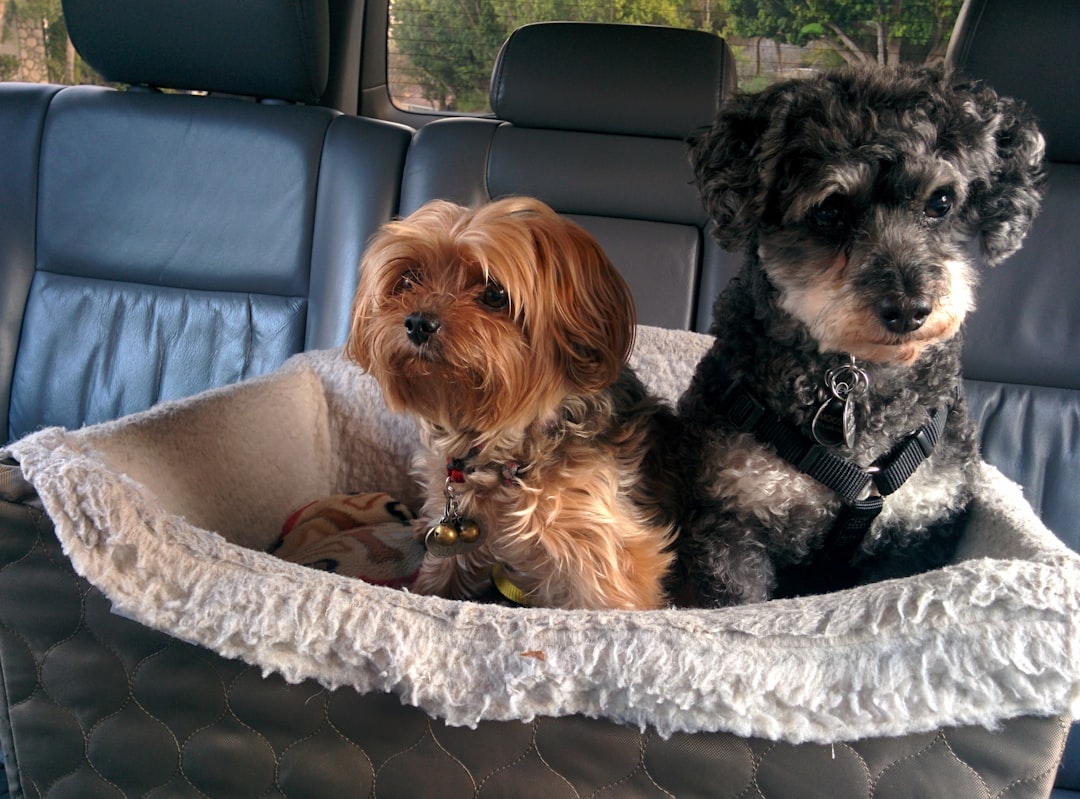
A Yosemite trip with a dog starts the same way every other Yosemite trip starts — with the Valley. Half Dome on the desktop. Mist Trail bookmarked. Glacier Point circled. Then the dog jumps in the back seat and the whole plan bends. Not breaks — bends. Because the park your dog gets to experience is a different park than the one you imagined, and the sooner you stop fighting that gap, the sooner the trip starts working.
Inside Yosemite, dogs stay on pavement. Paved roads, paved sidewalks, paved bike paths, and regular campgrounds — that's the boundary. No trails. No meadows. No beaches. No shuttle buses. No buildings. Not even carried in a backpack or stroller. The National Park Service draws the line clearly and enforces it consistently. The Wawona Meadow Loop is the most notable exception — a handful of other obscure routes (fire roads near Wawona, the Carlon Road to Hodgdon Meadow, the road through Tuolumne Grove) also allow leashed dogs, but they're unsigned and easy to miss. The NPS pets page lists them all. For practical purposes, pavement is the rule.
But here's the part that reshapes the trip: Yosemite sits inside a ring of National Forest land where the rules flip entirely. Sierra National Forest to the south and Stanislaus National Forest to the north welcome leashed dogs on their trails — dirt, rock, river crossings, the whole catalog of terrain the park withholds. The moment you cross the park boundary, the leash stays on but the restrictions fall away.
The in-park experience is narrower than most visitors expect, but it's not empty. Lower Yosemite Fall Loop runs a mile of flat pavement with views that justify the trip on their own. Bridalveil Fall Trail puts you at the base of one of the Valley's most photographed waterfalls on a short paved path. The bike paths stretching from Yosemite Valley Lodge toward Curry Village wind through meadow edges with El Capitan and Half Dome in full view. Tunnel View — the overlook that defines every Yosemite postcard — sits right off the road. Your dog stands next to you for all of it.
What your dog doesn't get: anything that requires leaving pavement. The Mist Trail, one of the most popular hikes in the park, is closed to pets even on its paved lower section. Mariposa Grove — closed to pets on every trail, paved or not. Mirror Lake's paved service road allows dogs, but the unpaved loop around the lake does not. The pattern is consistent enough that the rule of thumb holds: if it's paved and not signed otherwise, your dog walks it. If it's dirt, your dog doesn't.
One detail that catches people off guard: pet food requires bear-safe storage, the same as human food. Leave a bag of kibble in the car and you're inviting exactly the kind of encounter that ruins a windshield and a trip budget. Bear boxes at campgrounds exist for this reason. Use them.
The shift happens fast. Sierra National Forest, accessible via Highway 41 south of the park, stretches across more than a million acres where leashed dogs walk trails that lead to waterfalls, alpine lakes, and giant sequoia groves the park won't let them near.
Lewis Creek National Recreation Trail sits roughly seven miles outside downtown Oakhurst — a four-mile round trip that passes Corlieu Falls and Red Rock Falls through terrain your dog can actually touch. Nelder Grove holds its own giant sequoias in the Sierra National Forest — a grove that's been here for centuries. The grove has undergone restoration in recent years, so check current access status with the Sierra National Forest ranger station before visiting. When open, it draws far fewer visitors than anything inside the park.
On the Highway 140 corridor west of El Portal, Hite Cove Trail follows the South Fork of the Merced River — leashed dogs welcome on a trail known for spring wildflowers and river views. Note: access starts on private property and the trail has closed intermittently in past years due to fire damage and land agreements. Check current status with the Sierra National Forest ranger station before planning around it. The Briceburg area along the Merced River opens up more riverside access on the same corridor.
Near Groveland off Highway 120, Diana Falls offers a shorter walk to a swimming hole flanked by cliffs — a quieter alternative on the park's northwest side.
To the north, Stanislaus National Forest mirrors the same openness. Dogs are welcome at campsites throughout both forests with standard leash requirements.
The Yosemite Mountain Sugar Pine Railroad — a steam-era logging train near Fish Camp — rides dogs for free. It's the kind of detail that turns a logistics problem into a family story.
The planning posture shifts once you accept the split. Morning in the park — hit the paved paths early when parking exists and heat hasn't built. Lower Yosemite Fall, Bridalveil Fall, the Valley bike paths. Your dog sees the big walls, the waterfalls, the meadow edges. You get photos that prove you were here together.
Afternoon outside the park — drive south to Sierra National Forest or north to Stanislaus. Now the dog leads. Dirt trails, creek crossings, forest shade. Lewis Creek's waterfalls belong to whoever shows up.
Evening in a gateway town. Mariposa, Groveland, Oakhurst, and Fish Camp all welcome dogs on their main streets. Water bowls appear outside businesses and public buildings. Restaurant patios accommodate leashed companions. The towns built around Yosemite tourism learned long ago that the dog comes too.
The trip doesn't shrink because the dog is in it. It splits — park mornings and forest afternoons — and the split is what makes it work.
NPS pet regulations: Dogs allowed on paved roads, sidewalks, bike paths, and regular campgrounds only. Not allowed on trails (except Wawona Meadow Loop), in meadows, on beaches, in buildings, or on shuttles. Six-foot leash required. No exceptions for carried pets. Full regulations and updates here.
Bear-safe storage: Pet food requires the same bear-safe storage as human food. Use bear boxes at campgrounds and never leave pet food in vehicles.
Heat and elevation: Summer temperatures and Yosemite's elevation stress dogs faster than owners expect. Pavement radiates heat. Carry water for yourself and the dog, and plan paved walks for early morning.
Sierra National Forest access: Enter via Highway 41 south of the park. Leashed dogs welcome on trails. Day-use wilderness permits are not required, though some developed recreation sites may charge parking or amenity fees. Trail conditions vary seasonally — check the USDA Forest Service page for Sierra National Forest before heading out.
Stanislaus National Forest access: Enter via Highway 120 west of the park. Same leash rules, same openness. Check the Stanislaus National Forest page for current conditions.
Lewis Creek Trail: Trailhead located roughly seven miles from downtown Oakhurst off Highway 41. Four-mile round trip to Corlieu Falls and Red Rock Falls. No permit required for day use.
Nelder Grove: Giant sequoia grove in Sierra National Forest, south of Yosemite. Leashed dogs welcome when open. The grove underwent restoration and was closed through 2025 — confirm current access status with the Bass Lake Ranger District before visiting.
Gateway towns: Mariposa, Groveland, Oakhurst, and Fish Camp all accommodate dogs on main streets and at many restaurant patios. Confirm specific restaurant pet policies before planning around them.
Yosemite's in-park lodging areas do not allow pet dogs. Gateway communities offer pet-friendly lodging options that position you closer to the National Forest trails where your dog actually gets to hike. Planning accommodations outside the park opens up mornings for paved Valley walks and afternoons for forest trails — the split that makes the whole trip work.
Want to feature your business on the DirectStay Blog?
Want to feature your business on the DirectStay Blog?

Connect with travelers, share your space, and join a community of hosts earning together.
Become a host