

 DirectStay

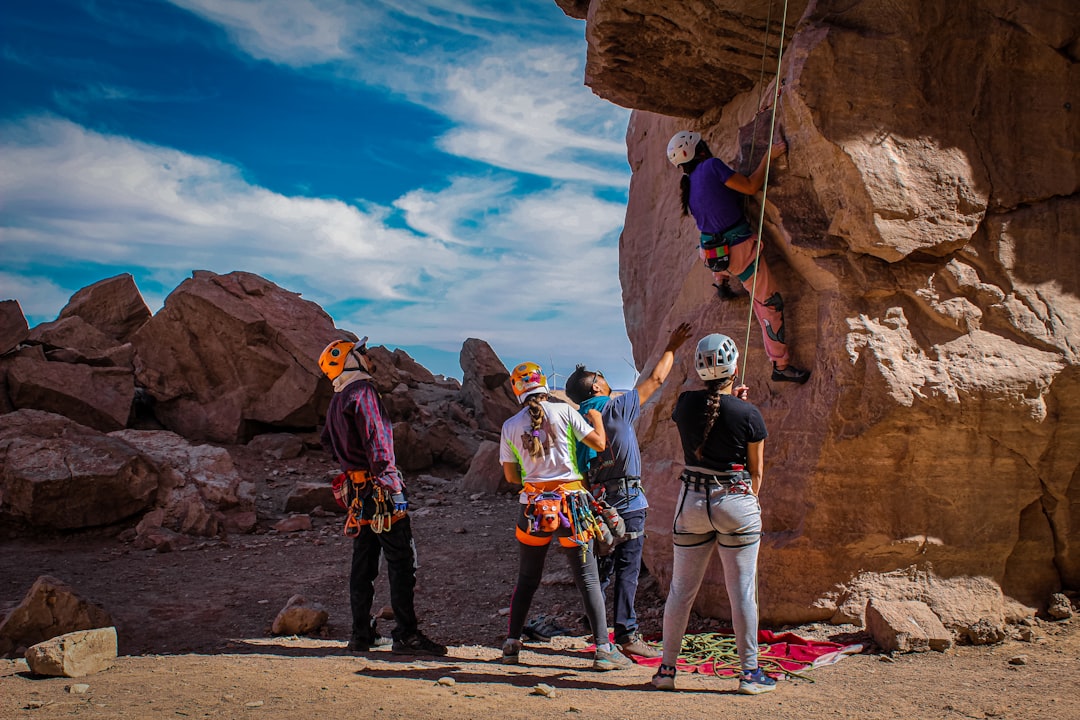
Sometime in May, Yosemite Valley shifts from a place people photograph to a place people live in — temporarily, intensely, and with chalk on their hands. Camp 4, the tent-only campground on the Valley's north side that earned a spot on the National Register of Historic Places for its role in the development of modern rock climbing, fills with a population that doesn't behave like tourists. They stay longer. They wake earlier. They eat differently. And the ripple effect reaches well past the campground's 36 shared sites — into the parking lots, onto the walls, through the gateway towns, and into your rental's availability calendar. If you're visiting Yosemite between May and June and wondering why the energy in the Valley feels different, this is why.
Yosemite doesn't have an opening day for climbing the way a ski resort drops ropes. The walls are there year-round. But the convergence window — roughly May through June — is when conditions, daylight, and access align in a way that draws climbers from around the world to the same few square miles of granite at the same time.
Days are long enough for big-wall attempts. Snowmelt has cleared most approach trails. Temperatures on south-facing walls haven't yet turned punishing. And Camp 4's reservation system, which typically launches in mid-April and runs through early fall, is in full swing — meaning the campground that once operated on predawn lottery lines now requires booking seven days in advance through Recreation.gov.
The result isn't a festival with a start date. It's a seasonal compression — a window where the density of skilled, committed climbers in the Valley reaches its annual peak. You'll notice it in the parking areas near El Capitan meadow, where people with binoculars stand watching tiny figures on the wall. You'll notice it at the Columbia Boulder, where someone is almost always working a problem. And you'll notice it in the gateway towns, where coffee shops and gear stores see a different kind of customer.
Camp 4 sits at roughly 4,000 feet on the north side of the Valley, close to Yosemite Falls and at the base of the granite that made it famous. It was added to the National Register of Historic Places in 2003 — not for its facilities, which are modest, but for what happened there. From the post-war era through the 1970s, Camp 4 was where climbers developed the techniques, the ethics, and the equipment that defined modern big-wall climbing. Yvon Chouinard forged gear on an anvil and sold it from the parking lot. The Stone Masters pushed free climbing into the mainstream. The 2014 documentary Valley Uprising traces much of this history through the campground's residents.
Today, Camp 4 operates as a walk-in, tent-only, shared-site campground. Sites accommodate up to six people each, and the communal layout means your neighbor might be your next climbing partner — or might be watching a headlamp move up El Capitan at 3 AM. The campground's reservation window, running from late May through September, books through Recreation.gov seven days in advance. Outside that window, it's first-come, first-served.
During the May–June convergence, Camp 4 fills reliably. The people staying there aren't passing through — many are on multi-day or multi-week stays, and the campground's 30-night annual limit (with a 14-night cap from May through mid-September, and only 7 of those in the Valley) means even committed climbers manage their days carefully.
If you're not a climber, here's what the convergence means for your visit:
Parking pressure intensifies. The lots near El Capitan, Camp 4, and Yosemite Falls absorb the climbing community's vehicles — and they arrive early. By mid-morning on peak-season weekends, the north-side lots are full. The Valley shuttle becomes the practical option for anyone arriving after 9 or 10 AM.
Trail and approach overlap. Some popular hiking routes share segments with climber approach trails. The Yosemite Falls trail, for instance, sees mixed traffic. Climbers with heavy packs move at a different pace and on a different schedule — often predawn.
Binocular crowds at El Capitan meadow. This is one of the most visible signs of climbing season. People gather in the meadow with binoculars and telephoto lenses to watch active ascents on El Cap. If you've never watched a big-wall climb in progress, this is worth a stop — the scale is hard to believe until you see a human figure against 3,000 feet of granite.
Gateway towns feel the shift. Mariposa, Groveland, and Oakhurst all notice climbing season, but in different ways. Mariposa, on Highway 140, is home to the Yosemite Climbing Museum — the Yosemite Climbing Association's permanent collection of climbing artifacts and memorabilia, housed at 5180 Highway 140. The museum tells the story from the first ascent of Half Dome in 1875 through the free-climbing revolution, and visiting it before entering the park adds a dimension to every wall and boulder you see afterward. Groveland, on Highway 120, picks up climbers headed for the Big Oak Flat entrance and Tuolumne. Oakhurst serves the southern corridor.
Campground and lodging demand compresses. Camp 4 is just one of several Valley campgrounds, and all of them feel the pressure during May and June. Lodging in gateway towns books earlier than a normal spring weekend. Guests staying in surrounding communities should plan to arrive early, park once in the Valley, and build a full day before driving back — the return trip doubles as decompression after a long day on the Valley floor.
Yosemite's climbing community operates on a calendar shaped by conditions, not dates. Peregrine falcon nesting closures typically restrict access to certain walls from March through mid-July — which routes are affected changes year to year based on nesting activity. The National Park Service publishes current closure information on its climbing conditions page. Smart climbers and curious visitors alike check these before planning.
The convergence also has a natural wind-down. By late June and into July, south-facing walls heat up, afternoon thunderstorms become a factor in the high country, and the density begins to thin. The climbing doesn't stop — it just redistributes upward to Tuolumne Meadows and the high-country domes as Tioga Road opens for the season.
Camp 4's significance isn't just historical. The communal layout — shared sites, no vehicle access, bear boxes instead of car trunks — creates a social structure that other campgrounds don't replicate. Meals get shared. Beta gets traded. People who arrived as strangers leave having climbed together.
The Yosemite Climbing Association, founded in 2003 by longtime Yosemite local Ken Yager, works to preserve this culture year-round. The YCA runs the Yosemite Facelift — the largest volunteer cleanup event in any national park, held annually in late September — and maintains the Yosemite Climbing Museum in Mariposa. Their weekly newsletter tracks wall activity, community news, and access updates in real time. For visitors who want to understand what makes the Valley's climbing community distinct, the museum and the YCA's public programs are the entry point.
Where: Camp 4 sits on the north side of Yosemite Valley, off Northside Drive. The campground is walk-in only — no vehicles past the parking lot.
When: The climbing convergence window runs roughly May through June. Camp 4's reservation system typically launches in mid-April and runs through early fall. Verify the current year's reservation dates and process at recreation.gov before planning.
Campsite access: During the reservation window, sites book through Recreation.gov seven days in advance. Outside the reservation window, Camp 4 operates first-come, first-served. Sites are shared and accommodate up to six people.
Parking: Valley lots near Camp 4 and El Capitan fill early during climbing season — often by mid-morning on weekends. The Valley shuttle system connects major stops. Check NPS traffic advisories for current conditions.
Wall closures: Peregrine falcon nesting closures affect certain climbing routes, typically March through mid-July. Current closure details are published on the NPS climbing conditions page: nps.gov/yose/planyourvisit/climbing.htm
Yosemite Climbing Museum: 5180 Highway 140, Mariposa. Guided tours available by request, subject to docent availability. Contact the Yosemite Climbing Association for current hours and scheduling: yosemiteclimbing.org/museum
Yosemite Facelift: The YCA's annual volunteer cleanup event, typically held in late September. Registration and details at yosemiteclimbing.org/facelift
Lodging note: The May–June climbing convergence adds demand pressure across all Valley campgrounds and gateway-town accommodations. Guests staying in surrounding communities — Mariposa, Groveland, Oakhurst — should plan around the Valley's rhythms: arrive early, park once, build a full day, and treat the drive home as the wind-down. Booking lodging in advance opens up quieter, more spacious options outside the park boundary.
Want to feature your business on the DirectStay Blog?
Want to feature your business on the DirectStay Blog?

Connect with travelers, share your space, and join a community of hosts earning together.
Become a host