

 DirectStay
Italian night in Wilmington starts with a question nobody asks out loud — whether you want the table that pulls the whole neighborhood in or the one that keeps the room so tight you can hear the kitchen breathing. Piccolina Toscana has held down its corner of Trolley Square for more than three decades, and the energy there still runs on the same thing it always did: everything on your plate was made in that building. The dining room fills the way neighborhood places fill — people who came last week are back, and the table next to yours is having a conversation you'll accidentally join. Then there's the other version of that same conviction — Ciro, over on the Riverfront, where the room seats thirty, the kitchen is open, and the chef who spent twenty years cooking in this city decided fewer seats was the whole point.
Piccolina Toscana didn't survive thirty-plus years in the same neighborhood by following trends. The kitchen runs on a policy most restaurants talk about but few actually hold: if they didn't make it in-house, it doesn't leave the kitchen. That commitment sounds like a slogan until you sit down and realize it shapes everything — the pasta, the sauces, the bread. Nothing arrives from somewhere else.
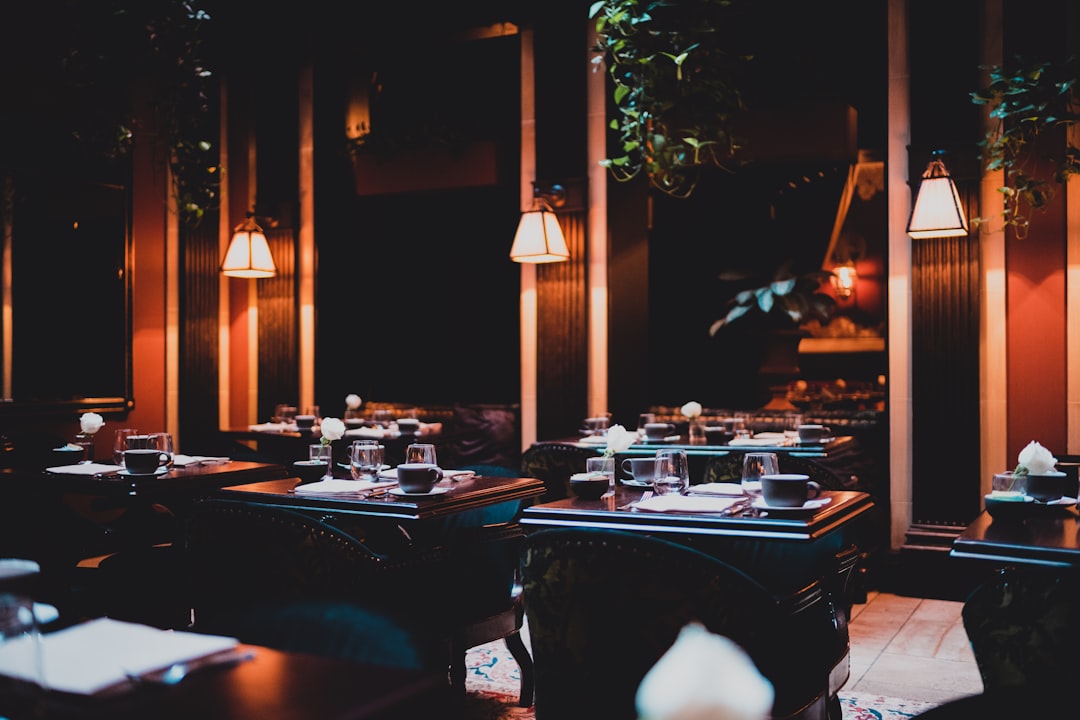
Trolley Square itself matters here. The neighborhood has its own gravitational pull on a weekend evening — restaurants, bars, foot traffic — and Piccolina Toscana sits at the center of that current. Dinner there isn't a sealed-off event. It's a meal that belongs to the block. The dining room runs warm, the pacing follows the room's mood, and the conversation at surrounding tables becomes part of the evening whether you planned on it or not.
This is the version of Italian dinner that wants company. The food earns the return visit, but the room is why people stay past dessert.
Ciro operates on a different premise entirely. Michael DiBianca — a chef with more than two decades of Wilmington kitchens behind him and multiple James Beard Award semifinalist recognitions on his résumé — partnered with Venu Gaddamidi of Veritas Wine & Craft Beer to build something deliberately small. The restaurant sits inside Gaddamidi's wine shop on the Riverfront, and the room holds roughly thirty seats. Open kitchen. No distance between the person cooking and the person eating.
The format shifts too. Shared plates and tasting menus replace the traditional entrée-and-sides structure. The kitchen accommodates dietary restrictions without treating them as an afterthought — the menu bends rather than offering a single fallback option. And because the room is small enough that the chef can see every table from the pass, the pacing of the meal adjusts in ways a larger room can't manage.
Sitting at Ciro, you're aware of the cooking. The sounds carry. The plating happens within view. The wine list draws directly from the Veritas shop on the other side of the wall — Gaddamidi's inventory becomes the restaurant's cellar, and the pairing is treated as part of the architecture, not an add-on.
This is the version of the evening that tightens the frame. Same city, same ingredient-first philosophy, but the room asks you to pay a different kind of attention.
What makes this an actual tension — and not just big restaurant versus small restaurant — is that Piccolina Toscana and Ciro share the same foundational belief. Both kitchens insist on making the food themselves. Both treat cooking as craft rather than formula — Piccolina Toscana through a dedicated Italian lens, Ciro through a Mediterranean New American vocabulary that shares many of the same roots. The difference isn't quality. It's geometry.
At Piccolina Toscana, that conviction plays out across a full dining room in a neighborhood that feeds off the energy. The experience is social by default. You're part of the evening's larger current — Trolley Square on a Saturday night has its own rhythm, and dinner here plugs you into it.
At Ciro, the same conviction compresses into a space where a few dozen people is a full house. The kitchen isn't behind a wall. The tasting menu isn't a performance — it's the natural result of a room where the chef can cook for every table directly. The evening narrows instead of expanding.
Neither room is pretending to be the other. And that's the point. The question isn't which one is better food in Wilmington. It's what shape you want the evening to take.
Piccolina Toscana — Where: 1412 N Dupont St, Trolley Square, Wilmington, DE 19806.
Ciro — Where: 321A Justison St, Wilmington Riverfront, DE 19801. Located inside Veritas Wine & Craft Beer.
Hours: Both restaurants serve dinner. Check current hours and days of operation directly — Piccolina Toscana at piccolinatoscana.com and Ciro at cirofoodanddrink.com.
Reservations: With roughly thirty seats, Ciro books ahead — plan accordingly during weekends. Piccolina Toscana's Trolley Square location draws steady neighborhood traffic; reservations are worth making, especially on Friday and Saturday evenings.
Parking: Piccolina Toscana has a lit lot directly in front of the restaurant, plus street parking in the surrounding Trolley Square neighborhood. The Riverfront area near Ciro typically has lot parking nearby. Neither location requires complicated logistics.
Dinner timing: If your evening includes plans in Trolley Square before or after dinner, Piccolina Toscana keeps you in the neighborhood's orbit. If the Riverfront is your base, Ciro anchors that side of the city without requiring a cross-town move.
The Italian dinner in Wilmington doesn't ask you to pick a winner. It asks you to pick a room. One has held the same corner for three decades and still fills like it did the first year. The other decided that thirty seats and an open kitchen was the only honest way to cook for people. The food comes from the same place — a kitchen that refuses to cut the corner. How much of the city you want at the table is entirely yours.
Want to feature your business on the DirectStay Blog?
Want to feature your business on the DirectStay Blog?

Connect with travelers, share your space, and join a community of hosts earning together.
Become a host