

 DirectStay
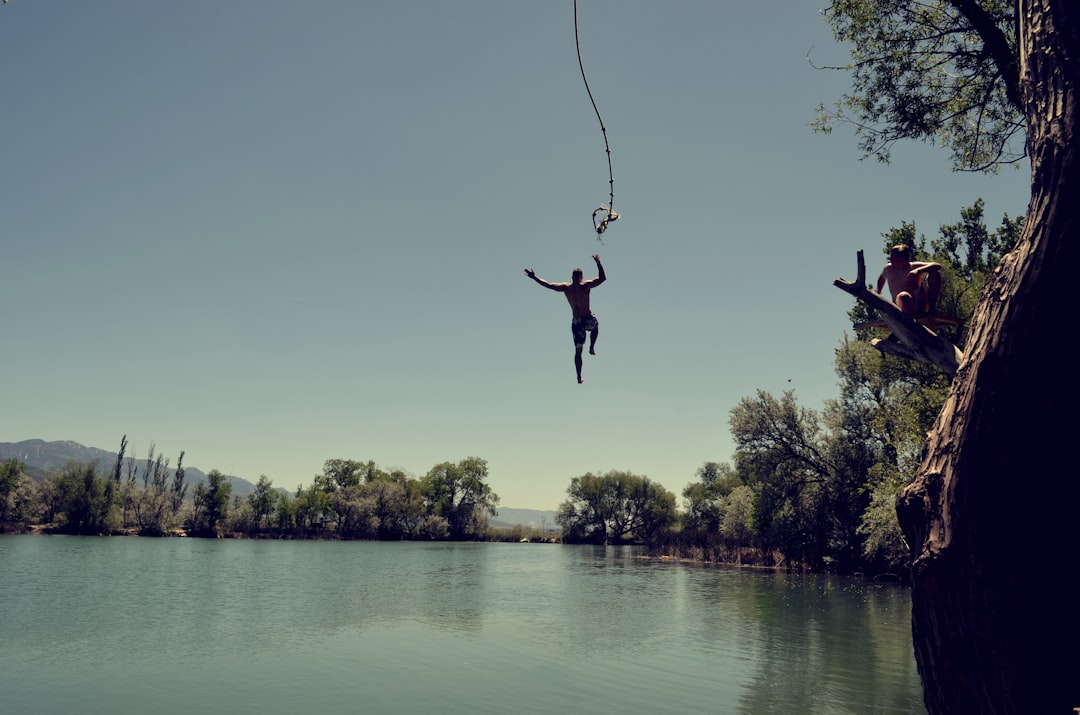
Summer in northeast Georgia asks a question most visitors never hear. The waterfalls get the search traffic. Currahee Mountain gets the pilgrimage crowd. But locals spending a July afternoon on the water are not heading to either. They are driving a quiet road along the Tugaloo River, watching for cars parked on the shoulder near a Georgia Power dam, and walking toward a rope swing that no tourism campaign has ever centered a brochure around. Lake Yonah sits eight miles from downtown, a 325-acre reservoir held behind a hydroelectric dam built in 1925, and the swimming access is entirely informal — no signs directing you to it, no admission booth, no managed entry. The cars parked along Yonah Dam Road are the only indicator that anything is happening. Somewhere deeper in the national forest, past multiple creek crossings and a trail that does not forgive poor footwear, Panther Creek Falls drops eighty feet into a plunge pool that stays cold even in August. The swimming hole at the base rewards a commitment Lake Yonah never asks for.
Lake Yonah is a Georgia Power reservoir on the Tugaloo River, created when the Yonah Dam was completed in 1925. The lake covers roughly 325 acres, framed by steep granite canyon walls that make it feel more like a mountain gorge than a flatwater impoundment. The swimming happens on the left side of the lake toward the powerhouse — the rope swing and a jumping rock have been there long enough that the county government lists them on its official recreation page without pretending they are managed amenities.
There are no lifeguards. There are no restrooms. There is no entry fee. The access is a shoulder pulloff on Yonah Dam Road, and the people already in the water got there the same way you will — by noticing the parked cars and walking down.
The water is warmer than anything you will find in the mountain creeks nearby. In July, Lake Yonah is the warm-water option — comfortable enough to stay in for an hour, sheltered enough by the granite walls to hold heat through the afternoon. The rope swing is the draw for anyone under thirty. The jumping rock is the draw for everyone else.
The drive to Lake Yonah is part of the value. Yonah Dam Road follows the Tugaloo River corridor, a flat and scenic stretch that the Stephens County Foundation has documented as a heritage corridor with its own driving guide, oral history collection, and archived records. The road passes Tugaloo Bend Heritage Park, an 87-acre site with Cherokee and agricultural history, and the remnants of the Dinky Line Railroad that was built to transport materials and equipment for the dam's construction and dismantled once the dam was finished. The road itself is a cycling route — flat, paved, and quiet enough that the Tour de Tugaloo operates along it.
Panther Creek Falls sits in the Chattahoochee National Forest, roughly fifteen minutes from downtown Toccoa by car. That is where the ease ends. The falls drop eighty feet in a multi-tiered cascade, and the swimming hole at the base — wide, deep, backed by a sandy flat and fallen timber — sits at the end of a 7-mile round-trip hike from the Old US-441 trailhead.
The trail follows Panther Creek through a hardwood gorge, crossing the creek on stepping stones that become ankle-deep after rain. The terrain is rocky and uneven, the footing near the water demands actual hiking footwear, and the final descent to the base of the falls involves scrambling down a large rock outcrop. Leashed dogs are allowed. Flat soles are not advisable.
The water at the bottom is cold year-round. Not refreshing-cold — genuinely cold, the kind that makes you catch your breath when you wade in past your knees. In summer, that is exactly the point. The plunge pool sits below eighty feet of falling water, and the temperature never pretends to be anything other than what a mountain creek fed by forest canopy produces. The sandy beach at the base is where hikers sit, eat, and decide whether they are getting in.
Summer weekends draw crowds. The trail is popular enough that reviewers note music from groups gathered at the swimming hole. Weekday mornings in October, the same pool sits with fall color overhead and the water even colder.
Lake Yonah and Panther Creek Falls are not competing for the same afternoon. They are competing for the same impulse — the moment a summer day gets hot enough that someone in the house says it is time to find water.
Lake Yonah answers that impulse in fifteen minutes. No preparation required. No trail gear. No calorie expenditure. The rope swing, the warm water, the granite walls holding afternoon light — all of it is available to anyone willing to park on the shoulder and walk down.
Panther Creek answers the same impulse with a condition: you earn it. The swimming hole at the base of the falls is a backcountry reward at the end of a real hike through a national forest gorge. The cold water, the eighty-foot cascade, the sandy beach — none of it exists for someone who drove up and walked down. It exists for someone who carried water, wore proper shoes, crossed a creek, and descended a rock face.
Both are within twenty minutes of downtown Toccoa by car. Lake Yonah costs nothing. Panther Creek costs shoe leather and a gravel pullout — and possibly four dollars if the recreation area lot reopens. One is ready when you are. The other is ready when you have done the work.
Access via Yonah Dam Road, approximately 8 miles from downtown Toccoa. No facilities, no fee, no managed access. The rope swing and jumping rock are on the left side of the lake toward the powerhouse. Park on the road shoulder where you see other cars. No restrooms. Bring what you need and take it with you.
Trailhead on Old US-441, approximately 15 minutes from Toccoa. Roadside gravel pullout parking is free; the USFS recreation area lot charges $4 when open. Roughly 7 miles round trip, 3–4 hours. Creek crossings required — waterproof footwear recommended. Cold water year-round. Dogs on leash. Currently rated for intermediate and advanced hikers by the USFS. Check trail conditions with the Chattahoochee-Oconee National Forests before heading out.
Lake Yonah is warmest June through September. Panther Creek swimming is most common May through September. Fall brings fewer crowds and gorge foliage.
No rideshare coverage exists in this part of northeast Georgia. Both destinations require a personal vehicle.
Summer weekends draw steady visitor interest. Short-term rental availability moves faster than the water warms — plan the stay first, then the afternoon.
Want to feature your business on the DirectStay Blog?
Want to feature your business on the DirectStay Blog?

Connect with travelers, share your space, and join a community of hosts earning together.
Become a host