

 DirectStay
Every version of Toccoa sits on the same map. The waterfalls don't relocate. Currahee Mountain doesn't change its elevation between March and November. But the trip you take in each season is a fundamentally different experience — different crowds, different sounds, different light, different access to the things you came for. The variable that changes everything isn't where you go. It's when you decide the trip should happen. And that decision determines whether you'll stand alone at the base of a waterfall or share that moment with forty other people doing the same thing.
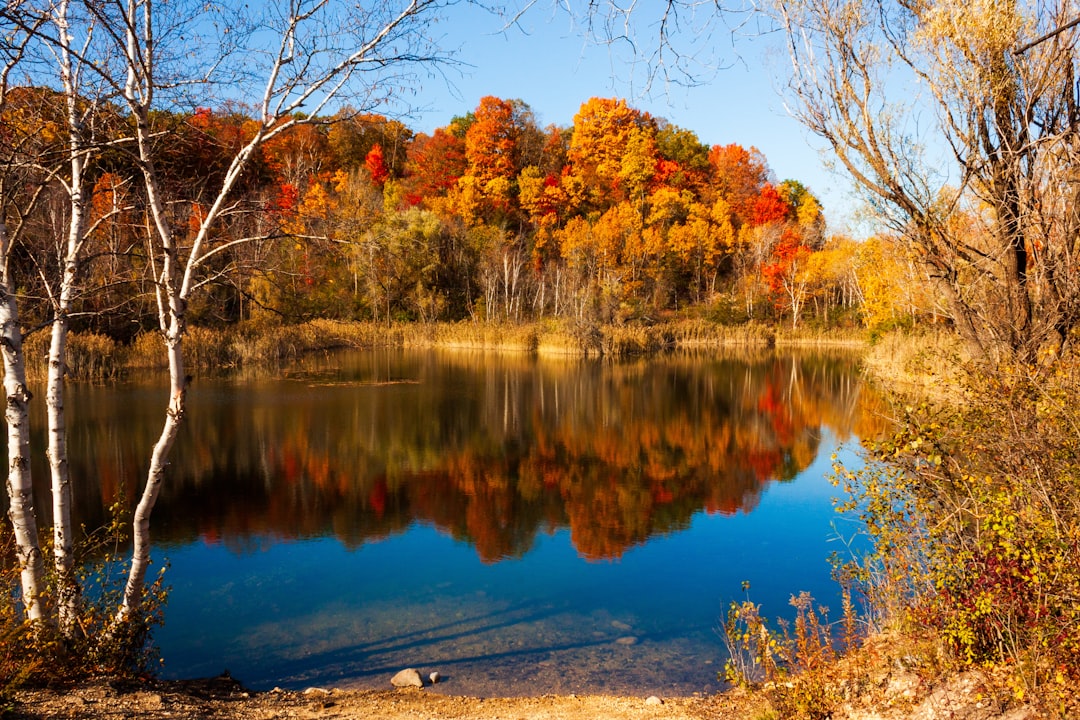
Fall in Toccoa draws the largest crowds of the year, and the reasons are stacked. The foliage across Currahee Mountain and the surrounding foothills peaks from late October into early November, right when the Harvest Festival fills downtown with vendors, live music, and foot traffic. The Harvest Festival has run every fall since 1978, staged the last weekend in October, and it pulls visitors from across the region. Hiking temperatures settle into a range that makes Currahee's elevation gain feel manageable rather than punishing. The trails are dry. The light is warm.
What this means for planning: lodging demand reaches its highest point during Harvest Festival weekend and the surrounding weeks. If you're targeting late October, plan ahead — the compression isn't just the festival. Leaf-peepers who have no interest in vendor booths still arrive for the foliage window, which overlaps almost perfectly with festival weekend.
The tradeoff is clear: fall gives you the most visually dramatic version of Toccoa, but it gives you the least privacy. If your trip depends on solitude — being alone at a waterfall, hiking without passing groups every quarter mile — fall is working against you.
The waterfalls around Toccoa reach their strongest flow in spring, after the seasonal rains that build through March and April. Toccoa Falls — the 186-foot free-falling waterfall on the Toccoa Falls College campus — runs heaviest during this window. The short walk from the parking lot to the base of the falls takes the same hundred yards it always does, but the sound and the mist at the viewing area are noticeably different when the water volume is up. Spring is also wildflower season on the trails, and the humidity that defines summer hasn't arrived yet.
Toast of Toccoa lands on the first Saturday in May — a downtown arts, craft beer, and wine event that's been running since 2017. It's a different energy from the Harvest Festival: smaller, more focused, free admission with token-based tastings. The crowd is present but not compressed the way it gets in October.
The practical advantage of spring: waterfalls at their most powerful, trails at their most colorful, and the lodging market at a fraction of fall demand. If waterfall photography or trail solitude matters to your trip, spring delivers without the tradeoffs.
June through August in Toccoa is defined by water access. The swimming hole at the base of Panther Creek Falls becomes the primary draw — a deep pool below an eighty-foot cascade, cold even in the hottest weeks. Summer weekends at Panther Creek are crowded; weekday mornings are a different experience entirely.
The Ida Cox Music Series runs on Saturday evenings through summer in downtown Toccoa, which gives the town a nightlife rhythm it doesn't carry the rest of the year. If your trip is built around water and evening energy, summer is the right call. If you need cool mornings for trail time, you'll be managing the clock.
After ChristmasFest — the downtown holiday event that lands the first weekend of December — Toccoa enters its quietest months. The waterfalls still flow. The trails are open year-round. Currahee Mountain stripped of its canopy reveals the full structure of the ridge and long-range views that the summer foliage obscures. Hiking in December and January means cold air, fewer people, and a version of the landscape that most visitors never see.
Lodging rates hit their lowest point between January and early March. If your trip is about the falls, the mountain, and the military heritage corridor — and you don't need swimming holes or festival energy — winter costs the least and crowds the least. The tradeoff is temperature: Toccoa winter days typically range from the low 30s overnight to the low 50s in the afternoon. Cold enough for layers. Not cold enough to close anything down.
Fall gives you spectacle and company. Spring gives you water volume and room to breathe. Summer gives you swimming holes and Saturday night music. Winter gives you the lowest rates and the fewest people between you and whatever you came to see.
The question isn't which season is the right one. It's which version of the trip you're actually building. Once you know whether you're chasing the peak experience or the uncrowded one, the calendar answers itself.
Peak lodging demand. Harvest Festival falls the last weekend in October — confirm dates at Main Street Toccoa. Book well in advance for late October.
Waterfalls at maximum flow. Toast of Toccoa typically the first Saturday in May — verify at Main Street Toccoa. Comfortable trail temperatures before humidity arrives.
Panther Creek Falls swimming hole is the primary draw — expect weekend crowds, plan for weekday access. Ida Cox Music Series runs Saturday evenings downtown. Heat and humidity are significant; plan outdoor time around early morning or late afternoon.
ChristmasFest typically the first weekend of December — verify at Main Street Toccoa. Lowest lodging rates. Trails open, waterfalls flowing, crowds minimal.
On the campus of Toccoa Falls College, accessed through the Gate Cottage gift shop. Hours change for holidays, campus closures, and scheduled events — confirm at Toccoa Falls College before visiting.
Seasonal demand in Toccoa varies significantly. Fall visitors — especially those targeting Harvest Festival weekend — benefit from booking early. Guests staying in surrounding communities like Eastanollee, Lavonia, or Martin can plan their approach to Toccoa as a day-trip destination, arriving early and building a full day in the area. The drive back becomes the wind-down, not the obstacle.
Want to feature your business on the DirectStay Blog?
Want to feature your business on the DirectStay Blog?

Connect with travelers, share your space, and join a community of hosts earning together.
Become a host