

 DirectStay
A wildlife encounter on the St. Johns River near Satsuma comes down to how fast you want to be moving when the animals appear. At Alligator Kingdom Airboat Tours, the answer is fast — cypress canopy blurring past, voice-activated headsets crackling with narration, and gators surfacing in water that the hull just skimmed. Your kids grip the rail. Your camera is already too late. Then there's the encounter where nobody moves at all — where the fish have been growing in production ponds since the federal government took over in 1938, where a federal observation tower looks down on wading birds so accustomed to the stillness that they don't flinch, and where the only admission price is showing up. That's the Welaka National Fish Hatchery, and the morning you spend there will feel nothing like the morning you spend on the airboat. The fork isn't about which is better. It's about what kind of story you want to bring back.
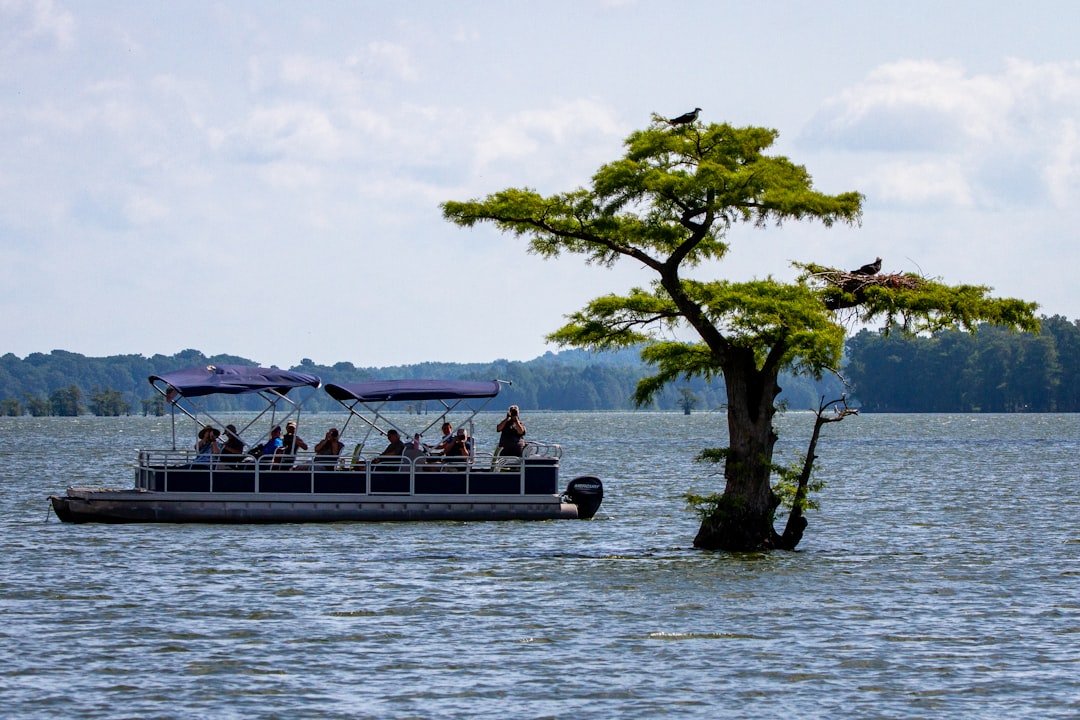
Alligator Kingdom runs out of Georgia Boy's Fish Camp on Butler Drive in Satsuma, and the moment you clear the dock, the bridge passes behind you and the landscape changes. The cypress swamp stretching along the St. Johns River corridor here has been doing what it does for thousands of years — filtering water, housing gators, stacking birds in the canopy overhead. You're moving through it on an airboat with headsets that let the captain narrate without shouting over the engine.
What reviews keep circling back to is the guide work. The captains here know where the gators sun, where the birds hunt, and how the ecosystem shifts between morning and late afternoon. The narration isn't a script running over a set route. It adjusts to what the water is doing that day.
The visceral part is real — airboat turns in shallow water at speed hit different depending on your age. Kids call it the ride. Adults call it the reason they wore the wrong shoes. But the education running underneath the speed is what separates this from a theme park imitation. You're in the habitat. The gators were here before the airboat, and they'll be here after it docks.
Welaka National Fish Hatchery sits on County Road 309, south of Palatka, and it doesn't announce itself the way a tourist attraction would. The U.S. Fish and Wildlife Service has operated this site since 1938, and what started as a state-run deer and quail farm in 1926 eventually became the only national fish hatchery in the state of Florida.
The experience isn't passive, though. Forty-one production ponds spread across the property, and the observation tower at the Beecher Unit looks down on a working landscape where birds have learned to fish alongside the operation. Wood Storks, Tricolored Herons, Snowy Egrets, and White Ibis are regular presences from the tower — not because anyone stocked them, but because decades of aquaculture created a reliable food source the birds incorporated into their own patterns.
The 16-tank aquarium at the Welaka Unit displays the fish the hatchery actually raises — Atlantic Striped Bass, Channel Catfish, Bluegill, and Redear Sunfish among them. More recently, the hatchery began working with the federally threatened Eastern Indigo Snake and the federally endangered Florida Grasshopper Sparrow, raising both species before release into the wild. These aren't display animals. They're part of an active federal conservation effort, and the interpretive material explains the lifecycle without dumbing it down.
Families with children under ten tend to get more sustained engagement here than they expect. The pacing is theirs to set. Nobody is herding them toward a gift shop or timing them out of an exhibit. The hatchery grounds are open dawn to dusk, and the aquarium runs from early morning through mid-afternoon daily.
Most visitors to the St. Johns River corridor default to the adrenaline path — and there's nothing wrong with that. The airboat produces photos, stories at dinner, and kids who can't stop talking about the gator that was right there. But the hatchery does something the airboat can't: it slows the encounter down enough for the visitor to notice what's actually happening in the ecosystem. The birds at the observation tower aren't performing. The fish in the aquarium aren't decorative. The recovery work with Indigo Snakes and Grasshopper Sparrows isn't abstraction — it's federal conservation happening in a place you can walk through for free.
The river forks here, and the fork is real. One path moves fast and makes the wildlife come to you. The other holds still and lets the wildlife carry on as if you weren't there. Neither is the wrong morning. The question is what you needed this particular morning to be.
217 Butler Dr, Satsuma, FL 32189 (at Georgia Boy's Fish Camp). The fish camp is south of Palatka off US-17 — use GPS for the final turn onto Butler Drive.
1-hour, 1.5-hour, and sunset options available. Voice-activated headsets provided. Boat seats up to 11 guests.
Required. Book online at gatorkingdomairboatrides.com or call (772) 643-4333. Credit card number required at booking — you will be charged full price for no-shows. 48-hour cancellation policy. Verify current pricing and availability before planning.
Tours depart at set times (recently 11:00am, 12:30pm, 2:30pm, and 4:30pm). Confirm current schedule when booking.
At least 30 minutes before departure to sign waivers and get fitted with headsets.
Children must be at least 2 years old. No pets.
Sunglasses, sunscreen, camera. The site suggests casual attire — flip-flops are fine. No food on the boat; picnic areas available at the fish camp.
County Road 309, Welaka, FL. The aquarium is at the Welaka Unit; the observation tower is at the Beecher Unit, approximately 3 miles south.
Grounds open dawn to dusk daily. Aquarium open early morning through mid-afternoon daily. Verify current hours before visiting.
By appointment only — call 386-467-2374 to schedule. Walk-in visits to the aquarium and grounds are welcome without appointment.
The nature trail is currently closed due to safety concerns following a wildfire. Check with the hatchery office for reopening status.
Free admission.
The Satsuma and Welaka corridor draws visitors year-round for river access and wildlife encounters. Guests staying in surrounding communities should plan to arrive early and build a full morning around one experience or the other — the drive back becomes part of the wind-down. Booking lodging in advance opens up quieter, more spacious options outside the immediate corridor.
Want to feature your business on the DirectStay Blog?
Want to feature your business on the DirectStay Blog?

Connect with travelers, share your space, and join a community of hosts earning together.
Become a host