

 DirectStay
Most of what we know about this river's ecology before the twentieth century comes from a single source — and that source walked the banks, paddled the channels, and sketched the specimens himself. William Bartram arrived on the St. Johns in the spring of 1774, commissioned by a London physician to collect plant specimens from a territory no European naturalist had cataloged in any useful detail. He spent eight months here. He described alligator behavior with a precision that scientists later confirmed as the regions became better studied. He documented spring-fed tributaries, cypress swamps, river bends, and Seminole settlements across what is now Putnam County. And when he finally published Travels in 1791, the book earned six European editions in four languages and influenced Romantic poets from Coleridge to Wordsworth. What makes his record matter for the traveler standing on the Palatka riverfront in the twenty-first century is this: the things he described are still here.
Bartram sailed from Philadelphia in 1773, reached the St. Johns the following March at the age of thirty-five, and purchased a small sailboat to navigate the river alone. He had traveled this same waterway with his father, John Bartram — the royal botanist to King George III — nearly a decade earlier. That 1765-66 expedition had been a surveying mission. William's return was different. Dr. John Fothergill of London had commissioned him to collect seeds, make drawings, and document the natural history of British East Florida. The result was the most detailed ecological portrait anyone had produced of the American Southeast.
He continued upriver through what is now Putnam County, visited Spalding's trading stores along the river, traveled to the Alachua Savanna among the Seminole, and spent time on and around Lake George. The Seminole called him Puc Puggy — the flower hunter. A Quaker and a pacifist whose interest extended only to plants, he moved through their territory with a welcome few Europeans received.
The strength of Bartram's record is not historical charm. It is accuracy. His descriptions of specific ecosystems along the St. Johns corridor match what a kayaker, hiker, or spring swimmer encounters today.
He documented the crystal clarity and temperature of spring-fed tributaries flowing from the west — the same springs that now draw visitors to the Ocala National Forest corridor. Silver Glen Springs, one of the St. Johns region's most visited recreation sites, sits along the river stretch Bartram explored. The spring water still runs near 72°F year-round, still pushes into the St. Johns with the same transparency he recorded in his field notes.
He described alligators in language so vivid that Samuel Taylor Coleridge reportedly drew on his passages when composing Kubla Khan. The territorial displays Bartram witnessed still happen on every waterway in the corridor. His observations were field reporting, and the behavior he cataloged has not changed.
He noted the river's unusual northward flow, the tidal influence reaching far inland, and the persistence of ecosystems that depended on spring-fed cold water meeting warm river current. Blog #37 in this series explains the geological mechanics behind all of that. Bartram did not have the geology, but he had the observations — and the observations held.
The St. Johns River Center in downtown Palatka is where most visitors first encounter Bartram's story. The center features exhibits on the river ecosystem and includes a map of Bartram Trail sites throughout the region. It sits on the riverfront near the trailhead for the Bartram National Recreation Trail — a 250-mile network of hiking, biking, and paddling routes through Putnam County, designated a National Recreation Trail in 2015.
The annual Bartram Frolic and Festival, organized by the Bartram Trail Society of Florida, takes place each spring on the Palatka riverfront. Historical reenactors portray Bartram, the Seminole leader known as the Long Warrior, and trader Job Wiggens. Guided riverboat tours, paddling excursions, and bus tours to documented Bartram sites throughout the county make the festival a functioning field trip, not just a ceremony.
The reverence extends into the commercial culture. Azalea City Brewing Company, a microbrewery operating in a historic Coca-Cola bottling plant at 120 South 7th Street in downtown Palatka, names its flagship blonde ale the Bartram Blonde. Its oatmeal stout is named for Mud Spring — another local landmark Bartram would recognize. The naming is not a marketing gesture. It reflects how deeply the naturalist's journey is woven into the way this community identifies itself.
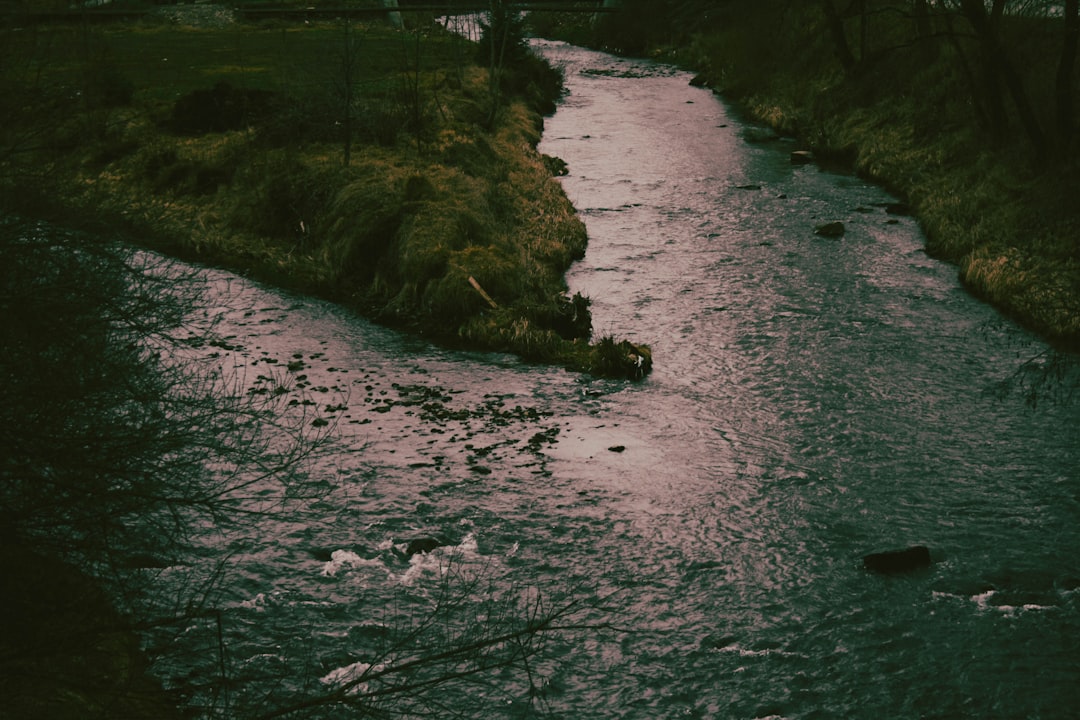
Bartram was not writing for tourists. He was writing for a London patron who wanted plant specimens. But his precision means a reader of Travels can follow his route through Putnam County today and verify what he described. The cypress stands along Dunns Creek. The spring runs feeding Lake George from the west. The wading birds along the river corridor. The alligators — everywhere, exactly as he reported.
Most historical travel writing does not survive contact with the present. Landscapes change. Rivers get dammed, rerouted, developed. The St. Johns corridor through Putnam County is unusual in how much of Bartram's world remains intact — the springs still flow at the same temperature, the forests along the Ocala National Forest corridor still stand, the river still flows north and supports the same food web Bartram documented before the American Revolution.
For families looking for educational depth beyond outdoor recreation, Bartram's story turns every spring visit and alligator sighting into something layered. The child snorkeling at Silver Glen Springs is swimming in water a Philadelphia naturalist described to a London physician 250 years ago.
Downtown Palatka, on the riverfront. Free admission. Bartram journey exhibits and Bartram Trail trailhead. Check current hours at palatka-fl.gov.
250+ miles of hiking, biking, and paddling routes through Putnam County. Route planning at bartramtrailsociety.com
Annual spring event on the Palatka riverfront. Organized by the Bartram Trail Society of Florida. Verify dates at bartramtrailsociety.com.
120 S 7th St, Palatka. Bartram Blonde Ale and Mud Spring Oatmeal Stout on the year-round menu. Taproom hours vary — check azaleacitybrewing.com. Family-friendly indoors, dog-friendly patios.
The Bartram Frolic draws visitors from across the state each spring. Nearby accommodations fill during the festival weekend — planning ahead gives you more options.
Bartram left the St. Johns in November 1774. But the river he documented has not stopped being the river he described. The springs are still cold. The alligators are still territorial. The cypress still line the banks. Two hundred fifty years later, you can follow his route on a marked trail and see for yourself whether the field notes hold. They do.
Want to feature your business on the DirectStay Blog?
Want to feature your business on the DirectStay Blog?

Connect with travelers, share your space, and join a community of hosts earning together.
Become a host