

 DirectStay
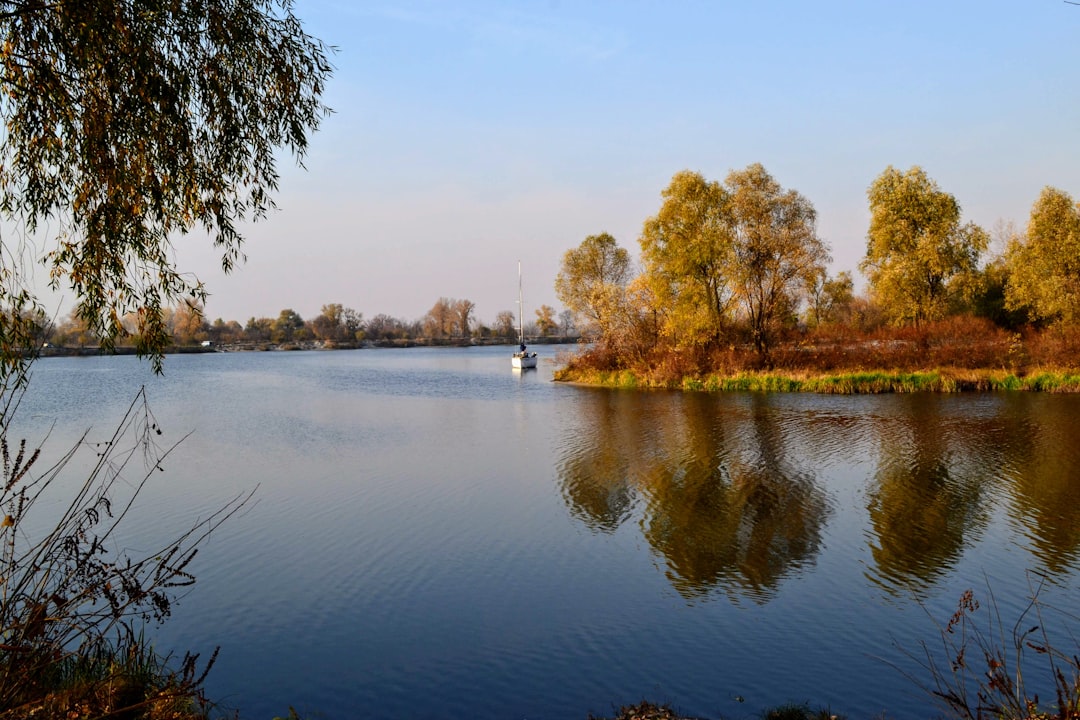
Something happens around day three on the river. The rhythm has settled. Coffee happens on the porch. The fishing report replaces the news. Dinner comes from a counter where somebody knows the water. And then a small question starts forming — not because the river has run out of things to offer, but because the body remembers what pavement and crowds feel like, and it starts to wonder whether it still wants them.
That question is worth answering. Not because the river needs a break, but because contrast has a way of clarifying what you already chose. St. Augustine sits close enough to test the theory — and far enough in character to make the experiment worth the fuel.
The distance between Palatka and St. Augustine is not the interesting part. Plenty of Florida towns sit 30 miles from something famous. What matters is the gap between what those 29 miles connect.
On one end: a river corridor where the loudest sound at lunch is a screen door closing behind you at a counter-service window. Four anchor towns strung along a slow, north-flowing river. Grocery infrastructure that thins the farther south you go. Wildlife calendars that run on biology, not event programming.
On the other end: the oldest continuously occupied European-established settlement in the contiguous United States. A coquina fortress that absorbed cannonballs for three centuries. A pedestrian street packed with galleries, restaurants, and foot traffic that would fill every parking lot in Putnam County twice over. Beaches. Trolley tours. A density of dining options that makes the river region's carefully chosen few feel even more deliberate by comparison.
SR-207 carries you between these two realities in under 40 minutes. The road runs through farmland, small communities, and the kind of open Florida landscape that doesn't prepare you for what's waiting at the other end.
Half-day trips to St. Augustine create frustration, not contrast. You arrive, you circle for parking, you walk half of St. George Street, and you leave feeling like you saw the lobby of something.
The full-day version works differently. You arrive early enough to walk the ramparts of Castillo de San Marcos before the crowds thicken — the oldest masonry fortification in the continental United States, built with coquina — a shell stone quarried from Anastasia Island that absorbed cannon fire instead of shattering. You spend the morning inside walls that have stood since the late 1600s, watching Matanzas Bay spread out below, and you start to understand why the Spanish picked this spot and held it.
Then you descend into the pedestrian grid. St. George Street delivers the walking, browsing, eating, and people-watching that the river corridor deliberately doesn't offer. This is not a criticism of either place — it's the structural reason the day trip works. The river gives you silence and space. St. Augustine gives you density and history built in stone. One day of each and both places register more clearly when you return.
This day trip exists because of a specific traveler: the family on a five-day stay (or longer) who arrived for the river and is loving it — but whose kids have energy that a sixth consecutive morning on the water won't absorb.
St. Augustine solves that problem without replacing the river trip's identity. The fort alone occupies curious kids for an hour or more. The pedestrian district handles the rest — ice cream, street performers, shops that sell things kids want to touch. Anastasia State Park and St. Augustine Beach sit minutes east via SR-312 if the ocean is part of the request.
The return drive is the important part. By the time SR-207 flattens back into farmland and the St. Johns River appears ahead, the contrast has done its work. The quiet that felt normal on day three now feels chosen.
From Palatka, SR-207 runs northeast through East Palatka, Hastings, and a string of small agricultural communities before reaching I-95 and the approach into St. Augustine. The drive is roughly 29 miles and takes about 40 minutes without traffic complications. From East Palatka, the distance shortens to approximately 25 miles.
Parking in St. Augustine is the friction point. The Historic Downtown Parking Facility sits within walking distance of the fort and St. George Street. Arrive before 10 AM on weekends and you'll avoid the worst of it. Weekdays are easier across the board.
Castillo de San Marcos opens at 9 AM and closes at 5:15 PM daily, with last admission at 5 PM. Admission runs $15 per adult; children 15 and under enter free. The fort is closed Thanksgiving and Christmas. Cash is not accepted — bring a card.
St. George Street is pedestrian-only through its core blocks. No reservations needed. The dining density here can feel disorienting after days of choosing between two or three options along the river — that disorientation is the point.
The Palatka-to-St. Augustine State Trail runs 19 miles of paved, 12-foot-wide path roughly parallel to SR-207, connecting East Palatka through Hastings, Armstrong, and Elkton to Vermont Heights. The trail currently ends short of St. Augustine proper — the final extension into the city is planned but not yet complete.
For cyclists, the trail offers a legitimate half-day experience through agricultural Florida that feels nothing like the river and nothing like the coast. Multiple trailheads with parking sit along the route. The trail is part of the 260-mile St. Johns River-to-Sea Loop, a regional multi-use trail network threading five Florida counties.
This isn't a way to reach St. Augustine by bike — not yet. But it is a way to experience the corridor between the two places on your own terms, at a pace that lets the farmland and small communities register instead of blurring past a windshield.
St. Augustine has enough to fill a week. This blog isn't pretending otherwise. A single day gives you the fort, the pedestrian district, a beach stop if you want one, and the drive. It does not give you the Lightner Museum, the lighthouse climb, the deeper restaurant scene, or any of the dozen historical sites that reward repeat visits.
That's fine. The point of this day trip is not to check St. Augustine off a list. The point is to leave the river long enough that coming back feels like a decision rather than a default.
The last stretch of SR-207 before East Palatka drops back into the river's geography — the land flattens, the tree line changes, and the water appears. After a day surrounded by coquina walls and pedestrian crowds, that first glimpse of the St. Johns carries a different weight than it did on the drive out.
You're not returning to where you were. You're returning to what you chose.
Want to feature your business on the DirectStay Blog?
Want to feature your business on the DirectStay Blog?

Connect with travelers, share your space, and join a community of hosts earning together.
Become a host