

 DirectStay
Summer along the St. Johns River answers every question you came here with — the springs are at their best, the river is warm enough to swim, the afternoons are long enough to paddle and still make dinner. But the river carries a second calendar layered underneath the one you planned around, and it runs on a cycle most visitors don't recognize until they're standing on the porch at dusk wondering why their evening just fell apart. Mosquitoes along this corridor aren't a nuisance you swat through. They're a scheduling force. They dictate when the porch works, when the kayak launch makes sense, and when the smartest move is retreating behind a screen. The difference between a guest who loves a July week here and one who cuts it short almost always traces back to the same thing: whether they understood the daily rhythm or tried to fight it.
Florida's mosquito season runs roughly from March through October, but the St. Johns River corridor hits peak pressure from June through September — the same months that deliver the best springs swimming, the warmest river water, and the longest daylight. That overlap is the whole game.
Dawn and dusk are when mosquitoes feed most aggressively. Along the river, this roughly translates to the first couple of hours after sunrise and the hours surrounding sunset during peak summer. The middle of the day — mid-morning to late afternoon — is when outdoor time costs the least in bites and frustration. Visitors who front-load their mornings before the heat peaks and plan their evenings around screens or indoor dining move through summer weeks without the battle stories. The ones who default to a sunset dock session without preparation are the ones who text the host at 10 PM asking if something is wrong with the property.
Florida's summer afternoons follow a predictable cycle that visitors rarely account for. Beginning in late May and running through mid-October, sea-breeze dynamics push afternoon thunderstorms across the interior almost daily, typically between 2:00 and 5:00 PM. The storms are short — often 30 to 45 minutes — and they drop temperatures, flush the air, and briefly suppress active mosquito flight.
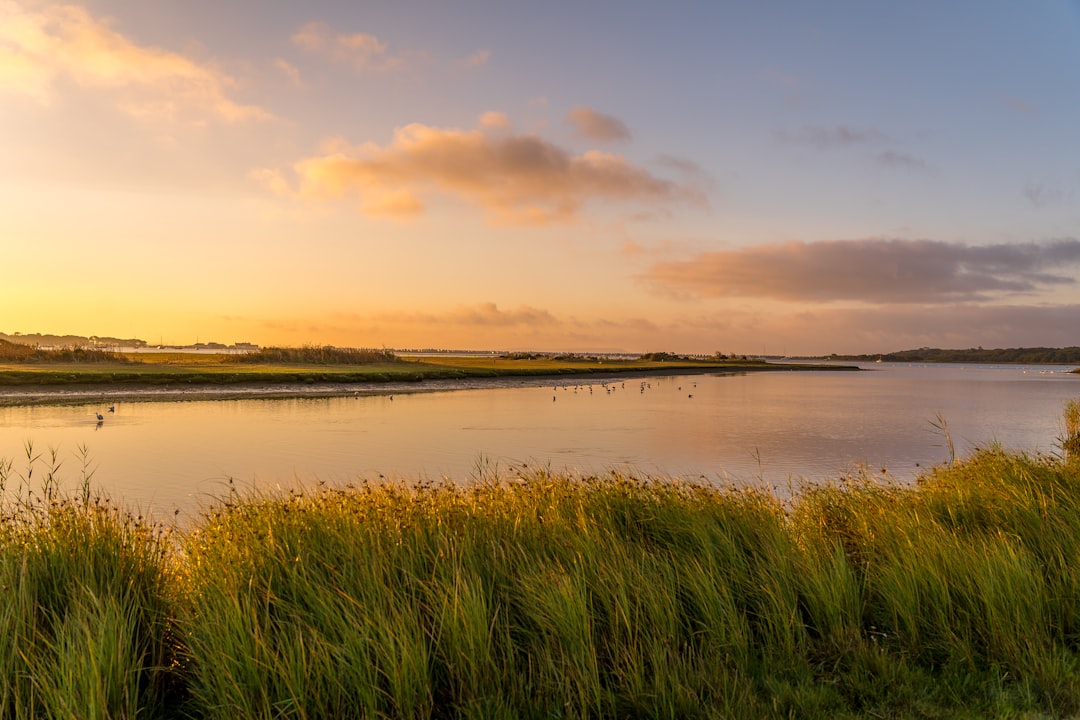
Here's where guests get it wrong: they treat the afternoon storm as a disruption. Locals treat it as a reset button. The window between the storm clearing and dusk arriving — roughly 5:00 to 6:30 PM — is often the best outdoor hour of the entire day. The air is cooler, the mosquitoes haven't fully resumed, and the light on the river turns gold. What you did at 4 PM — whether you were already on the porch cursing the rain or napping inside waiting for the reset — determines whether you catch that hour or miss it entirely.
But this is where honesty matters: the storms also create standing water. Puddles, drainage ditches, upturned boat hulls, forgotten buckets — every surface that holds water for more than a week becomes a breeding site. The afternoon reset is real, but it's borrowed time. The same storms that suppress one evening's mosquitoes are building next week's population.
Hosts along this corridor have a version of this talk with every summer guest, and most guests nod politely and then ignore it. DEET-based or picaridin-based repellent isn't a suggestion near the St. Johns in summer — it's the difference between using the outdoor space and abandoning it. The CDC recommends EPA-registered repellents containing DEET, picaridin, IR3535, or oil of lemon eucalyptus for mosquito-borne illness prevention, and that recommendation carries extra weight along a river corridor surrounded by marshland and standing-water ecosystems.
The mistake guests make: packing one small bottle and applying it once. You're reapplying every few hours if you're sweating, and you're treating exposed skin before you walk outside — not after the first bite reminds you.
Permethrin-treated clothing is another layer locals use without thinking about it. Spray it on hats, shirts, and pants — not skin — and it lasts through several washes. Guests who fish at dawn or paddle at dusk learn this one fast.
Not every rental along the St. Johns faces the same mosquito pressure, and guests rarely know to ask the questions that matter. Properties near marshland, creek inlets, or poor drainage carry heavier loads than those on open river with consistent breeze. Elevation matters — even a few feet above the waterline changes the calculus.
The questions worth asking before booking a summer stay: Does the property have screened outdoor space? How close is the nearest standing water — not the river, which flows, but ponds, ditches, or marsh? Is there a porch fan? Moving air is one of the most effective mosquito deterrents, because mosquitoes are weak fliers and even moderate wind disrupts their flight.
Arrive with repellent — not after the first bad evening. Beyond the usual summer kit: DEET or picaridin in a size that lasts the week. Permethrin spray for clothing. Lightweight long sleeves for dawn and dusk — not because the temperature demands it, but because the bugs do.
And one thing most visitors skip: checking the forecast not for temperature, but for the afternoon storm window. The National Weather Service radar for northeast Florida tells you when the reset is coming — and that timing shapes whether your evening starts at 5:15 or 7:30.
Peak pressure June through September. The hours around dawn and dusk are highest-risk windows.
EPA-registered products containing DEET, picaridin, IR3535, or oil of lemon eucalyptus. Apply before going outdoors, reapply every few hours when sweating. CDC recommendations at cdc.gov/mosquitoes/prevention.
Expect daily thunderstorms roughly 2:00–5:00 PM, late May through mid-October. Monitor NWS radar for northeast Florida for timing.
Ask about screened porches, proximity to standing water, porch fans, and drainage. These details shape the entire outdoor experience.
Repellent at the door — not in the suitcase. Applied before stepping out, not after the first bite.
If you see water collecting on the property — buckets, plant saucers, boat covers — empty it. You're reducing next week's population in your own yard.
Want to feature your business on the DirectStay Blog?
Want to feature your business on the DirectStay Blog?

Connect with travelers, share your space, and join a community of hosts earning together.
Become a host