

 DirectStay

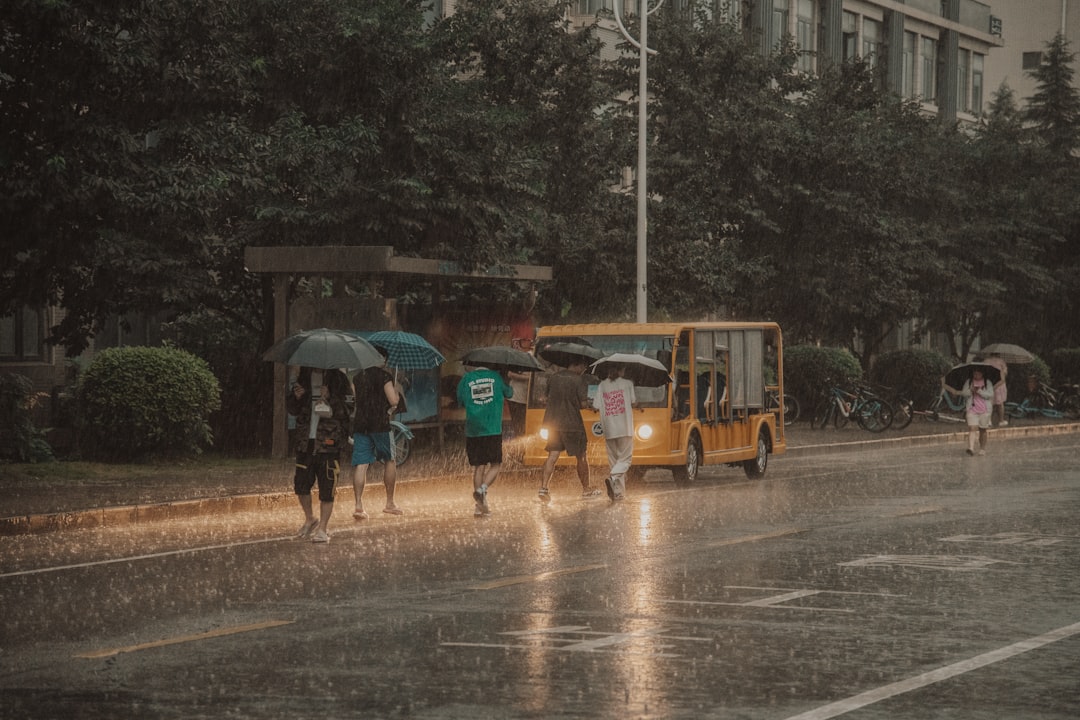
Portland with kids forks before you've finished unpacking. The forecast loads on your phone, and everything downstream shifts — which parks stay in play, which museums move to the front, whether that outdoor food cart lunch becomes a covered market instead. Families who've done this trip before build two itineraries before they arrive. Not because Portland's rain is a problem, but because it's a given. The city treats it like background noise. Your kids won't. The families who land relaxed are the ones who already know where they're going when the sky opens.
You research Portland in July — sun, roses, park days, farmers market mornings — and build your trip around that version of the city. Then you arrive in November, or March, or a perfectly normal June week that strings together three gray days, and the trip you planned dissolves before breakfast.
Portland hosts see this pattern repeat. The family checks in, asks about the nearest playground, and hears: "It's been raining since Tuesday." One version of the family scrambles, loses half a day regrouping, and spends the afternoon watching tablets. The other version pulls out the rain plan they packed alongside the rain jackets and heads to their first indoor stop within the hour.
Portland's indoor infrastructure for families runs deeper than most visitors realize. OMSI — the Oregon Museum of Science and Industry, on the Central Eastside waterfront — absorbs a full half-day for kids across a wide age range. The submarine tour alone recalibrates what a museum visit means for a ten-year-old. Portland Children's Museum in Washington Park serves the under-seven set with enough room and variety that toddlers burn energy without their parents burning patience.
Powell's City of Books fills a different slot. Older kids disappear into color-coded rooms. Younger ones settle into the children's section while parents browse within earshot. It's a place where the family can be in the same building doing different things for an hour — which is what parents of mixed-age kids actually need.
Indoor food halls and covered food cart pods round out the rain plan. A covered pod means every member of the family eats something different — the toddler gets rice, the eight-year-old gets a quesadilla, and the adults eat something they'd never order at a family restaurant. No reservation, no kids' menu, no fight over where to sit.
Rideshare with car seats catches visiting families flat. Drivers who carry car seats are rare, and the legal requirement doesn't disappear because you're on vacation. Bring your own seat or confirm a car seat-equipped service before arrival.
Stroller terrain varies by neighborhood. The Pearl District and downtown are flat and wide. Hawthorne and Division have narrower sidewalks and occasional uneven pavement. Alberta is mostly flat but the condition changes block by block. If your kids still ride, the neighborhood you book determines how much walking you'll actually do.
Ask your host what kid gear they stock. High chairs, pack-and-plays, baby gates — availability varies from fully stocked to nothing at all. A direct message before booking fills the gap the listing doesn't.
Families with young children eat dinner at 5 PM. This isn't a preference — it's a schedule imposed by a two-year-old who doesn't care about Portland's food scene. Portland's restaurant culture skews earlier than most cities, and many neighborhood spots welcome families at that hour without making you feel like you're eating at a retirement community.
The neighborhoods that handle early family dining best are the ones with casual, counter-service, or food cart options alongside sit-down restaurants. Hawthorne, Division, Alberta, and Mississippi all have blocks where a family can walk, spot something, and sit down without a reservation at 5 PM on a weekday. Weekend brunch is a different calculation — popular spots stack waits that outlast any toddler's patience. Weekday mornings are the family brunch window.
Where you book determines everything from your daily walking radius to whether bedtime is quiet or contested. Hosts who've welcomed families consistently point to a few patterns.
Hawthorne and Division put you within walking distance of parks, food, and coffee — the daily supplies of family travel. The residential blocks behind the commercial streets are quiet enough for nap time. Sellwood runs quieter and slower, with Oaks Amusement Park nearby for an afternoon that doesn't require a car. Alberta has a community feel, Saturday foot traffic that entertains kids just by walking, and a density of ice cream and bakery stops that function as bribery infrastructure for one-more-block negotiations. Inner Southeast neighborhoods tend to split the difference: walkable, calm after 8 PM, and close to the things families actually use.
OMSI (SE Water Avenue, Central Eastside), Portland Children's Museum (Washington Park), Powell's City of Books (W Burnside, Pearl District). Verify current hours and any timed-entry requirements at each museum's website before planning your day.
Oregon law requires car seats for children under the applicable age and weight thresholds. Rideshare drivers rarely carry car seats. Bring your own or arrange car seat-equipped transportation before arrival. Check Oregon DMV's child passenger safety page for current requirements.
Flattest, widest sidewalks are in the Pearl District, downtown, and Sellwood. Hawthorne and Division are manageable but less consistent. West Hills neighborhoods are not stroller-practical.
Most Portland restaurants open for dinner service between 4 and 5 PM. Counter-service and food cart pods don't require timing at all. Weekend brunch at popular spots means waits — weekday mornings are the family window.
Not standardized. Ask your host directly about high chairs, pack-and-plays, strollers, baby gates, and outlet covers. A message before booking is more reliable than checking a listing's amenity box.
Hawthorne/Division (walkable, parks, food), Alberta (community, bakeries, art), Sellwood (quiet, Oaks Park, residential). Each serves a different family tempo.
Families with young children benefit from planning around nap schedules and early bedtimes — proximity to parks and walkable dinner spots reduces the daily logistics load. Advance planning opens up neighborhoods with more space, quieter nights, and the kitchen access that family travel demands.
Portland doesn't resist families. It just doesn't organize itself around them the way a resort does. The city assumes you'll figure it out — and you will, if you arrive with two plans instead of one. The rain version and the sun version. The 5 PM dinner and the 10 AM brunch.
Your kids won't remember which plan you ran. They'll remember the submarine, the bookstore with the color-coded rooms, the food cart where they picked their own dinner. The fork in the forecast is just how Portland works. The families who come back are the ones who learned to read it.
Want to feature your business on the DirectStay Blog?
Want to feature your business on the DirectStay Blog?

Connect with travelers, share your space, and join a community of hosts earning together.
Become a host