

 DirectStay

A solo morning in Portland comes down to a confession most coffee drinkers won't make out loud: what you actually need from the cup has almost nothing to do with the coffee itself. At Coava Coffee Roasters on SE Grand Avenue, the morning strips down to a single origin poured through a single method in a space built from bamboo — concrete, wood, garage doors rolled open when the weather cooperates, and a menu so focused it borders on refusal. You order one of two pour-over selections or one of two espresso options. That's the whole conversation. Most visitors assume this is what Portland coffee means now — the precise, the minimal, the roaster-as-scientist. And they're not wrong. Coava earned that reputation by starting in a garage in 2008 and never fully leaving the garage ethos behind. But there's another version of a Portland morning where the coffee already knows what you need before you've figured it out — where the institution did the hard thinking decades ago, and your job is just to show up. That version has been pouring since 1999 from a shop on SE Division Street, and the blend that made it famous was named after the hair salon it replaced.
Coava's flagship on Grand Avenue sits inside a space originally designed and built out by Bamboo Revolution, a bamboo building-materials company that once shared the address. The bamboo is structural, not decorative — tables, counters, surfaces throughout the café. The garage doors are functional. The industrial bones of the building are the design.
Matt Higgins founded Coava by repairing motorcycles until he could afford his first roaster. The company name comes from an old Turkish word for unroasted coffee. That origin story isn't marketing — it's still visible in how the café operates. Two pour-over selections, two espresso options, rotating single origins sourced through direct-trade relationships with farms the team visits personally. No blends. No compromises that would blur the bean's identity.
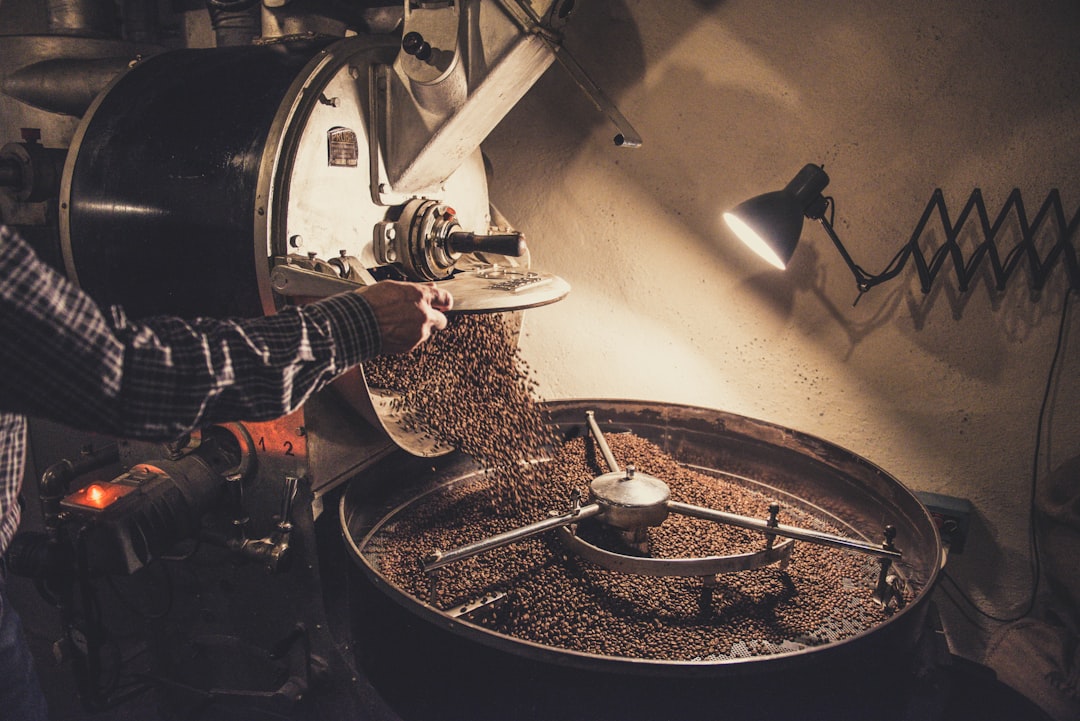
The Public Brew Bar at the roastery on SE Main Street takes it further — a 13,000-square-foot former warehouse where the 60-kilo Probat roaster runs in full view, and cupping sessions where you taste multiple coffees at different stages of the brewing process, side by side, learning to distinguish region and elevation and processing method by smell before the first sip. The 2018 Oregon Small Business of the Year award and the Jerry Seinfeld Comedians in Cars Getting Coffee appearance both happened because the approach is genuinely unusual, not because the company chased attention.
This is a morning that asks something of you. Your palate, your patience, your willingness to sit with a cup that's meant to be noticed rather than consumed.
Stumptown Coffee Roasters did not invent Portland's coffee identity. But by the time the third-wave movement had a name, Stumptown was already the reference point. Founded in 1999 by Duane Sorenson on SE Division Street, the original shop occupied a former hair salon — and Hair Bender, the espresso blend named for that space, became one of the most recognized blends in American specialty coffee.
The Division Street flagship still pours. The downtown café on SW 3rd Avenue has been anchoring that block since 2003. A newer location on SW Washington Street, opened in 2024, brings a Japandi-inspired design sensibility to the West End. The company maintains several Portland locations across neighborhoods that don't share much else in common — which is precisely the point. Stumptown doesn't ask you to seek it out. It's already where your morning is happening.
What that means in practice: you walk into any Stumptown and the menu feels familiar even if you've never been. The cold brew program, which helped pioneer the canned cold brew category nationally, runs alongside traditional espresso and pour-over. The roasting is consistent across locations. The barista remembers what regulars drink. The morning doesn't challenge you — it receives you.
Stumptown's direct-trade sourcing program, which once set records for the highest price paid for coffee beans, still anchors the operation. The company is now part of the Peet's Coffee family under Keurig Dr Pepper, but the Portland locations retain neighborhood-specific character. The downtown café rotates local art on its walls. The Division Street original still feels like a living room where the coffee happens to be world-class.
The tension here isn't about quality. Pour a cup from Coava and a cup from Stumptown side by side, and both will justify the trip. What differs is what the morning demands of you.
At Coava, you're a participant. The industrial space, the limited menu, the cupping sessions at the roastery — everything signals that this coffee rewards attention. You'll leave knowing something about the bean's origin, its processing, its altitude. The morning had a curriculum.
At Stumptown, you're received. The coffee is extraordinary, but it arrives inside a system that already works. You don't need to understand the sourcing to benefit from it. The decades of relationships, the consistency across locations, the institutional muscle — all of it exists so your morning can feel effortless.
Solo travelers notice this difference most acutely. A morning at Coava is a morning alone with the coffee — investigating, tasting, sitting in a space designed to make you pay attention. A morning at Stumptown is a morning alone near the coffee — reading, working, watching a neighborhood wake up through a window you've seen in a dozen Portland travel photos.
1300 SE Grand Ave, Central Eastside Industrial District. The Public Brew Bar and Roastery is nearby at 1015 SE Main St — check their site for cupping session schedules, typically offered every other week. Both locations serve a focused menu. Verify current hours at coavacoffee.com.
SE Division (original, 4525 SE Division St), Downtown (128 SW 3rd Ave), SW Washington (newest, opened 2024). Verify current locations and hours at stumptowncoffee.com, as the Portland footprint has shifted in recent years.
Both Coava locations are in the Central Eastside — street parking and nearby lots available. Stumptown locations vary by neighborhood; the downtown and SW Washington spots are walkable from most central accommodations.
Portland's coffee scene draws morning foot traffic citywide, and proximity to a preferred roaster shapes how the first hours of a trip unfold. Guests staying in surrounding neighborhoods often plan their first morning walk around which café anchors the day. Booking accommodations in advance keeps options open across Portland's distinct districts.
The question was never which coffee is better. Portland settled that argument years ago by refusing to have it — the city simply kept building places where the answer depends on who's holding the cup. Coava made a career out of narrowing the morning down to one origin, one method, one seated moment of focus. Stumptown made a career out of widening it — making sure the morning met you wherever you woke up, with a cup that already understood the assignment. The only wrong move is walking past both.
Want to feature your business on the DirectStay Blog?
Want to feature your business on the DirectStay Blog?

Connect with travelers, share your space, and join a community of hosts earning together.
Become a host