

 DirectStay

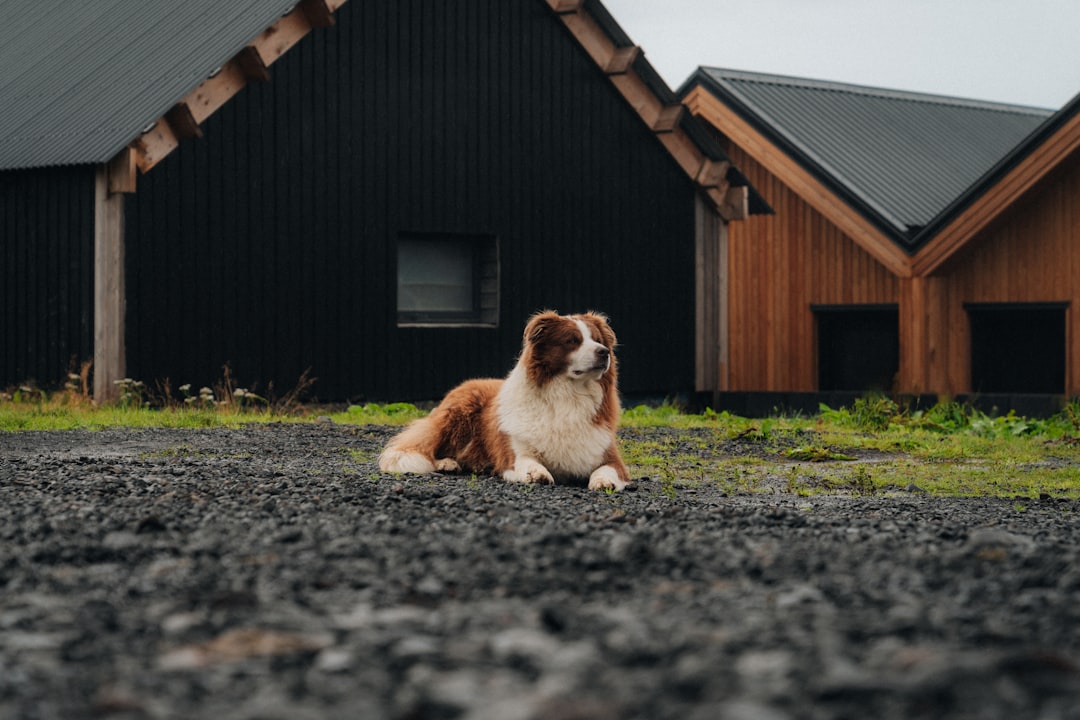
Most couples planning a Poconos weekend start with the same questions: which lake, which cabin, which trails. But the moment a dog enters the trip, those questions reorder themselves. The cabin comes first — not because it's the nicest property on the list, but because the wrong outdoor setup makes everything else harder. A private yard changes your morning. A mud-friendly entryway changes what happens when you get back from a trail. The dog isn't an add-on to this trip. The dog is one of the variables that reshapes how the whole thing works.
That shift — from "dog-friendly as a checkbox" to "dog as a co-decision-maker" — is what separates trips that flow from trips that don't.
For most travelers, the cabin is where you sleep and cook. For pet-forward travel, the cabin becomes the logistical backbone of the trip.
A private fenced yard, or a semi-private yard with natural barriers, changes the morning routine completely. Instead of leashing up before coffee, you open a door. The dog gets an outlet. You get five minutes to let a pot boil. It sounds minor. Over a three-day weekend, it compounds into something that actually feels like a vacation.
Equally important: the entryway. Poconos trails are muddy. If a cabin's front door opens directly onto carpet or light hardwood with no washable mat and nowhere to stow wet gear, the first trail day creates friction that follows you through the whole trip. Hosts who have thought this through will have flagged it. Look for that signal in listing descriptions — or ask directly.
What to look for in a listing:
Explicit mention of a fenced or enclosed yard
Ground-floor access (no stairs to navigate twice daily with a dog)
Language about mud rooms, outdoor showers, or washable surfaces
Proximity to leash-legal trails stated in the listing, not as a marketing claim
The Poconos offers two distinct positioning choices for dog-focused travel, and they produce genuinely different trips.
Lake Harmony and Blakeslee lean toward the yard-and-cabin model. Properties here tend to sit on larger lots with more defined outdoor space. Trails are accessible but require a short drive. The rhythm is cabin-centric: yard time in the morning, drive to a trailhead, return to the yard. For dogs who do better in enclosed spaces, or for owners who want predictable containment, this area functions well.
The Delaware Water Gap area runs in the opposite direction. Yard space is less consistent, but trail density is high — in some cases, accessible from the road without loading the car. This suits high-drive dogs and owners who want to log mileage. The tradeoff is less reliable outdoor containment. It works well for dogs with solid recall who don't need a fence.
Neither is better. They're answers to different questions about how you and your dog actually travel.
Restaurants in the Poconos vary considerably on outdoor seating, and outdoor seating is the decision variable for pet-forward travelers. A dinner reservation at an indoor-only restaurant means either leaving the dog in the cabin (fine, if your dog is settled and you're close) or splitting the group.
The KNOW BEFORE YOU GO pattern that works: anchor one dinner per trip at a restaurant with confirmed outdoor seating and dog-tolerant policies, then plan at least one cabin dinner with groceries provisioned on arrival. The cabin dinner isn't a fallback — it's part of the trip. A deck, a grill, and a dog already tired from the trail beats a crowded restaurant on a peak Saturday.
A few things worth confirming before you arrive:
Whether a restaurant's outdoor patio is covered or open (weather matters in fall and spring)
Whether the restaurant explicitly permits dogs on their outdoor patio — PA restaurants must opt into a dog-friendly outdoor designation; it's not blanket permission, so always confirm directly
Whether parking is walking distance from the restaurant, so you can check on the dog if needed
The Pocono region has significant trail volume, but not all of it is equally dog-friendly. A few parameters that matter:
Leash requirements. Pennsylvania state park trails require leashes. At Delaware Water Gap National Recreation Area, dogs are permitted in most areas of the park and on most trails — leashed at all times on a 6-foot maximum lead. A handful of specific sites prohibit dogs: Raymondskill Falls, Dingmans Falls, George W. Childs Park, and certain beaches between Memorial Day and Labor Day. Private trail networks vary. Check nps.gov/dewa before planning specific routes.
Surface and heat. Exposed rock faces and gravel paths heat up quickly in summer. Timing morning hikes early isn't just about avoiding crowds — it's thermal management for paws.
Water access. Dogs on long hikes need consistent water. Trails with creek crossings are useful — but creek crossings also mean a wet dog for the return. Factor that into cabin logistics.
Crowd density. Popular trailheads on peak weekends fill by mid-morning. A dog who's unpredictable around strangers or other dogs will have a better experience on a midweek trail or a lesser-known access point.
Spring (April–May): Mud season. Trails are soft, yards are wet. If your cabin doesn't have a mud-friendly entry, you'll feel it. Upside: lighter crowds, cooler temperatures.
Summer (June–August): High season. Trail parking fills fast on weekends. Morning starts matter more. Look for water access on longer hikes.
Fall (September–November): Peak travel volume, especially leaf season. Trail parking hits its absolute ceiling on October weekends. If you're going in October, midweek travel or early Saturday starts change the experience significantly. Cool temperatures suit most breeds.
Winter: Niche season, genuinely good for certain dogs. Snow-loving breeds have exceptional experiences on quiet winter trails. Ice on rocks is the primary hazard; traction footwear helps.
Cabin search: Filter first for pet-permitted properties, then for fenced yard or ground-floor access. Read listing descriptions for "dog-friendly" specifics — this phrase is used loosely by some hosts. Direct message hosts if the outdoor setup isn't clear.
Leash requirements: Assume leash-required in PA state parks. At Delaware Water Gap NRA, dogs are welcome on most trails but must be leashed (6-foot max); specific prohibited sites are listed at nps.gov/dewa/planyourvisit/pets.htm. PA state parks guidance is at pa.gov.
Dining with dogs: Outdoor patio availability changes seasonally and by weather. Confirm directly with the restaurant before booking. Don't assume outdoor = dog-permitted without asking.
Water and supplies: A full Weis Markets is on Route 611 in Tannersville (2836 PA-611, open 7 AM–11 PM daily). Stock dog food, treats, and portable water before reaching your cabin — rural general stores are limited.
Vet access: Two 24-hour emergency veterinary hospitals serve the Monroe County area: Barton Heights Veterinary Hospital (117 Terrace Dr., Stroudsburg, 570-623-1606) and Creature Comforts Veterinary Hospital (820 Rt. 115, Saylorsburg, 570-992-0400). Confirm hours directly before travel.
The Poconos as a dog-travel destination isn't about special amenities or dedicated dog parks. It's about spatial reality: rural cabins have yards, trails are close, and the pace of the region — quieter, slower, more outdoor-oriented than a city weekend — matches how most dogs actually behave.
What makes it work isn't which trail you pick or which restaurant has patio seating. It's the sequencing decision made before the trip: find the cabin with the right outdoor setup first, then build everything else around that. The dog already knows this. The planning question is just catching up.
Want to feature your business on the DirectStay Blog?
Want to feature your business on the DirectStay Blog?

Connect with travelers, share your space, and join a community of hosts earning together.
Become a host