

 DirectStay

A wildlife day on the Outer Banks surfaces what you're really after before you even book. There's the north road — the one that runs out of pavement and into sand, where Wild Horse Adventure Tours loads you into an open-air Hummer and drives you past dunes older than the country to a stretch of beach where Colonial Spanish Mustangs graze the same ground their ancestors found five centuries ago. You sit behind the windshield while a stallion grazes close enough that you stop reaching for the zoom lens. He isn't performing. He doesn't know you're watching, and he doesn't care. Then there's the sound. A different direction entirely — south toward Manteo, where a pontoon boat pushes into Roanoke Sound and the person narrating isn't a tour guide. They're a biologist. Nags Head Dolphin Watch runs its cruises as a research platform for the Outer Banks Center for Dolphin Research, and the dolphins that surface alongside the hull aren't strangers to the crew. They have names. The researchers have been tracking their pods for over a decade.
The turn happens at Corolla, where NC-12 gives way to sand and the paved world simply stops. Wild Horse Adventure Tours operates from there — custom Hummer H1s designed for the terrain, open-air with stadium seating so every passenger sees over the dunes. The vehicles carry thirteen and the guides are locals who know the 4WD zone the way you know your neighborhood. They hold exclusive access to the Swan Beach Sanctuary, a stretch of protected habitat most visitors never reach.
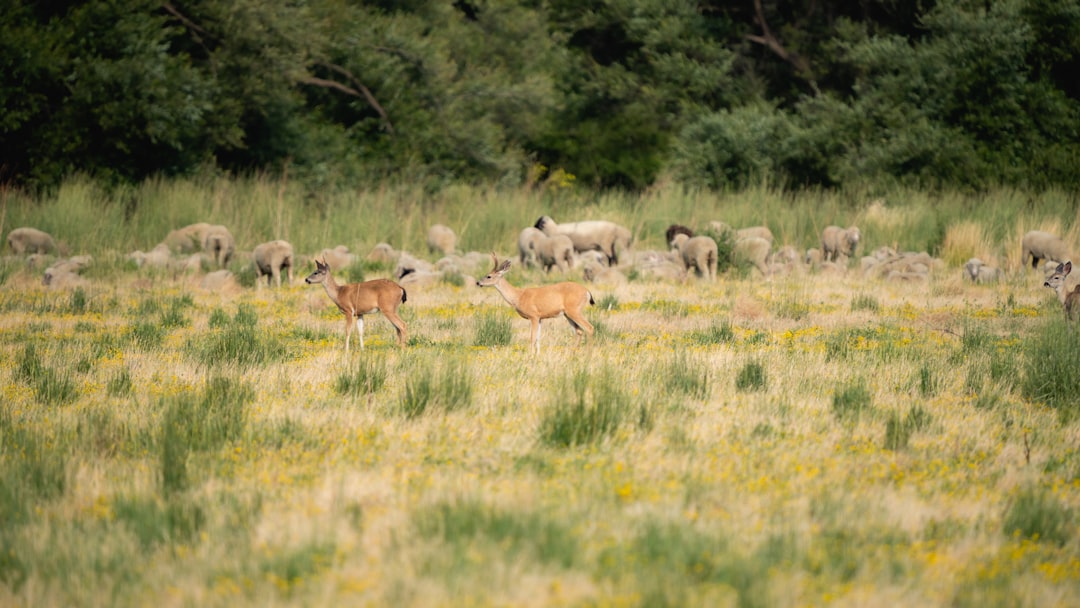
What they're driving you toward: roughly a hundred Colonial Spanish Mustangs roaming about 7,500 acres of coastal shoreline, maritime forest, and dune. DNA testing confirmed their lineage traces directly to Spanish stock from the 1500s — one of the oldest and rarest strains left in North America, designated the official NC State Horse in 2010.
The experience lasts about two hours, but the shift happens in the first ten minutes. The Hummer crests a dune ridge, the surf appears on one side, and a mare and foal stand in sea oats on the other. Nobody's posing them. Nobody herded them into frame. The guide cuts the engine and explains how these animals paw through sand to reach fresh water underneath, how they've adapted to a diet of native grasses that would starve a domestic horse, how the herd nearly dropped below forty animals before the Corolla Wild Horse Fund intervened.
The tour fees support ongoing land acquisition — buying developable lots so the sanctuary stays intact.
The dolphin path leads to water, not sand. Nags Head Dolphin Watch operates three vessels out of three locations — a pontoon from the Nags Head Causeway, one from Oregon Inlet Fishing Center, and one from Shallowbag Bay Marina in Manteo. The boats are 40-foot pontoons, covered for shade, and the tours run about two hours through Roanoke Sound.
Here's what makes this different from a standard dolphin cruise: the narration comes from researchers affiliated with the Outer Banks Center for Dolphin Research, a nonprofit conducting long-term photo-identification studies of bottlenose dolphins in these waters since 2008. They don't just spot dolphins — they recognize them. A dolphin named Onion was first identified in Beaufort, North Carolina nearly twenty years ago and migrates to Nags Head every summer with an extended family of over a hundred members. His damaged dorsal fin — a boat propeller encounter years ago — makes him one of the most easily spotted animals in the sound. Rake and Scarlet are others in the catalog.
The crew calls out identifications as they happen. They note behavioral data. You're watching active science, not a scripted show. The dolphins surface alongside the hull because they're feeding and socializing in the same water they always use — the boat goes to them, reads their patterns, and adjusts course based on years of accumulated sighting data.
Both take about two hours. Both put you in the company of wild animals with guides who know the individuals by sight. The question isn't quality — it's direction.
North means land, stillness, and an animal standing in dune grass long enough to study. You're a witness to persistence — a herd whose ancestors survived a Depression-era bounty, decades of development, and storms that reshaped the island beneath their hooves.
South means water, movement, and an animal that surfaces and dives before you've finished raising the camera. You're a participant in data collection — every sighting adds to a catalog tracking migration and family bonds across years.
Wild horse tours in Corolla typically operate well beyond the summer season — some operators run year-round — while the dolphin cruises operate May through October, when the bottlenose population concentrates in the sound. Weather splits them too — the Hummer handles wind and light rain that would cancel a pontoon departure.
Then there's access. The horse tour leaves from Corolla — if you're staying in Nags Head, that's forty minutes before you board. The dolphin watch departs from three locations between Nags Head and Manteo, fifteen minutes from central OBX. Where you're sleeping already narrowed the list.
Wild Horse Adventure Tours: 610 Currituck Clubhouse Dr, Corolla. Two-hour guided tours in custom open-air Hummer H1s. Book ahead — peak season fills fast. Check current pricing and availability at wildhorsetour.com.
Nags Head Dolphin Watch: Three departure points — Whalebone Watersports (Nags Head Causeway), Oregon Inlet Fishing Center, and Shallowbag Bay Marina (Manteo). Two-hour eco-tours aboard covered pontoons. May through October. All tours booked through Kitty Hawk Kites: kittyhawk.com/adventures/dolphin-tours.
Important: Wild horses are legally protected. Approaching within fifty feet or feeding them is punishable by a $500 fine. Dolphins are wild — sighting frequency is high but never guaranteed. Nags Head Dolphin Watch runs a summer-season guarantee with reschedule or voucher if no dolphins are spotted.
Both tours fill their peak-season slots weeks ahead. Guests staying in surrounding communities should book tours early in the trip-planning process, not on arrival. Securing the experience first often shapes the rest of the week — which direction you drive, where you eat afterward, and how the day unfolds around a two-hour anchor.
Two directions from the same barrier island. One takes you to the animal that stayed — the one that outlasted the road, the storms, and the centuries. The other takes you to the animal that returns — the one that migrates back every summer because the sound still feeds what it needs. The compass was already in your hand.
Want to feature your business on the DirectStay Blog?
Want to feature your business on the DirectStay Blog?

Connect with travelers, share your space, and join a community of hosts earning together.
Become a host