

 DirectStay

Every seafood dinner on the Outer Banks carries an invisible question underneath the menu: who caught this, and how far did it travel to reach the plate? Most weeks, the answer stays buried. The fish house delivers to the restaurant, the restaurant plates it, and the guest eats without thinking about the chain between ocean and fork. It works. Nobody complains. But one Saturday each October, the Outer Banks Seafood Festival in Nags Head strips that whole chain bare — sets the boats on display, puts the watermen in front of the crowd, and lets the fishing heritage that tourist season buries rise to the surface for a single afternoon. The shoulder-season timing isn't incidental. It's the reason the festival feels different from a summer food event. The crowds have thinned. The rates have dropped. And the people who show up came specifically because the question on the plate finally has a visible answer.
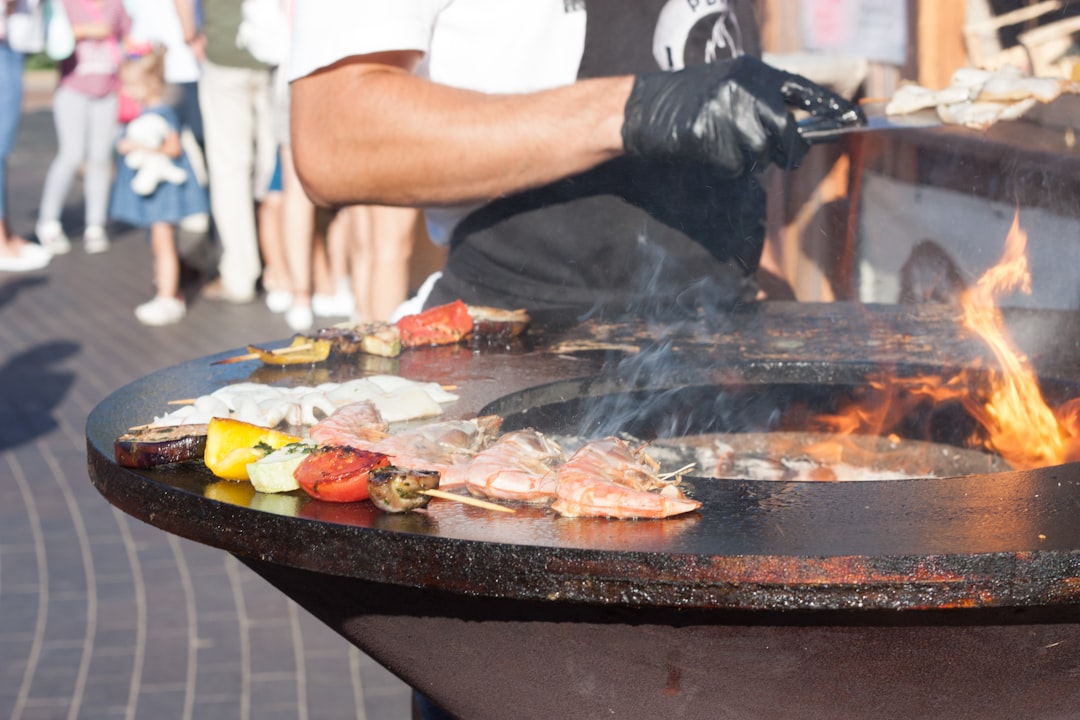
For most of October, Nags Head operates in shoulder-season mode — quieter streets, available tables, a pace that feels closer to how locals experience the town year-round. Festival Saturday disrupts that pattern in a concentrated, single-day burst. The Soundside Event Site on South Croatan Highway fills with restaurant vendors serving preparations that go beyond their everyday menus. Local watermen bring boats and gear for close inspection. Educational demos in the Fishing Village walk visitors through the gear, the boats, and the daily reality of commercial fishing — the working layer of the Outer Banks that tourist season keeps out of sight.
The occupancy spike is real but contained. Nags Head sees a one-day surge that briefly returns peak-season energy to a town that's been winding down since Labor Day. Restaurants adjacent to the festival grounds benefit from overflow. And then Sunday morning, the shoulder season resumes.
People arrive thinking this is a food festival with a fishing theme. That framing undersells what actually happens on the ground. The Outer Banks Seafood Festival is a nonprofit that has generated nearly $80,000 in grants since 2012, directing funds toward commercial fishermen, fish houses, and charter operations across Dare, Currituck, and Hyde Counties. The Endowment Fund covers healthcare emergencies, equipment repair, and supply needs for working watermen — the same people standing behind the demo tables explaining their trade.
That layer changes the atmosphere. The cooking demos aren't performance. The boat displays aren't decoration. The People's Choice competition — where festival-goers vote on their favorite vendor dish — pits local restaurants against each other with preparations built for the event. The educational programming surfaces a working identity that the Outer Banks carries year-round but rarely makes visible to visitors.
But hosts who've sent dozens of guests to this festival have learned something else: the real value isn't the festival day itself. It's using the festival as an anchor for a longer shoulder-season trip. October on the Outer Banks means cooperative weather, lower rental rates, and the kind of uncrowded beach access that peak-season visitors never experience. The festival gives you a reason to book the trip. October gives you a reason to extend it.
The festival draws a self-selecting crowd. Families bring kids who've never seen a commercial fishing vessel up close. Couples planning an off-peak getaway use it as the centerpiece of a long weekend. Food-focused travelers who've eaten their way through OBX during summer return to see the supply chain that fed them. But the festival's single-day format means timing matters — you get one shot at the full experience, and the gates close by evening.
The shoulder-season context reshapes how people plan around it. Unlike a summer event that competes with beach time and crowded attractions, the Seafood Festival sits in a week where the rest of your trip is wide open. Mornings before the festival and days after it belong entirely to you — same beaches, same restaurants, a fraction of the competition for tables and parking.
And if you miss the festival entirely — tickets sell out, the date doesn't align, the weather turns — the shoulder-season trip still holds. The same restaurants that vendor at the festival serve their regular menus all October. The festival concentrates the visibility into one afternoon, but the fishing-to-table identity it surfaces doesn't leave when the tents come down.
The festival's logistics are simple but non-negotiable. There is no onsite parking at the Soundside Event Site. Every attendee arrives by shuttle, bike, or on foot. Free shuttles run from designated off-site parking locations throughout the day, departing at regular intervals. No pets are allowed on the shuttles or festival grounds. No coolers, no outside food or beverages.
Walking and biking are encouraged — multi-use paths lead directly to the event site, and free bike racks are available onsite. Pedestrians cross Route 158 at designated crosswalks staffed with traffic control. The constraint that catches most visitors off guard isn't the shuttle — it's the one-day window. Miss this Saturday, and you wait a full year.
Event: Outer Banks Seafood Festival. Annual, one day, typically a Saturday in mid-October. Verify this year's date at outerbanksseafoodfestival.org.
Where: Soundside Event Site, 6800 S. Croatan Highway, Nags Head, NC (MP 16.5 on Route 158).
When: One-day event; gates open in the morning and the festival runs through early evening. Confirm the current year's schedule at outerbanksseafoodfestival.org/event-schedule.
Parking: No onsite parking. Free shuttle service runs from designated off-site parking locations throughout the day, including accessible parking with a handicap-accessible bus. Confirm shuttle locations, hours, and frequency at outerbanksseafoodfestival.org/getting-here.
Tickets: Available through the festival's official website. Children 12 and under have historically entered free; confirm current pricing at outerbanksseafoodfestival.org/tickets.
What to leave behind: No pets, no coolers, no firearms, no pop-up tents, no outside food or beverages on shuttles or festival grounds. Travel light — what you bring on the shuttle has to fit in your lap.
Biking: Bike racks available onsite (bring your own lock). Use multi-use paths to reach the event site. Cross Route 158 only at designated crosswalks.
The festival creates a brief occupancy spike in a shoulder-season window when Nags Head availability is otherwise wide open. Planning a few days around the festival — arriving early in the week or staying through the weekend — takes advantage of October's lower rates and uncrowded conditions.
The Outer Banks Seafood Festival doesn't answer the provenance question permanently. Come Monday, the restaurants return to their regular menus. The boats go back to work. The chain between ocean and plate becomes invisible again. But for anyone who stood in the Fishing Village and watched a waterman explain how the catch moved from net to kitchen that morning, the question never fully disappears. Every dinner after that carries a footnote — and October is when the footnote was written.
Want to feature your business on the DirectStay Blog?
Want to feature your business on the DirectStay Blog?

Connect with travelers, share your space, and join a community of hosts earning together.
Become a host