

 DirectStay

Wildlife on the Outer Banks sorts itself along a line most visitors never think about. The question isn't where to go — it's what you came to see. Pea Island National Wildlife Refuge sits right on the barrier island, a thirteen-mile corridor of brackish ponds and open marsh where migratory birds gather by the thousands every fall. The scope at the visitor center trains on North Pond, and some mornings the surface is so dense with snow geese and tundra swans that the water disappears. But less than an hour west, across the bridges and onto the Dare County mainland, the landscape inverts. Freshwater forest replaces salt marsh. The canopy closes. And the animals you're watching for are no longer in the sky — they're standing at the tree line, watching you back. Alligator River National Wildlife Refuge is where the Outer Banks keeps its largest mammals, including one of the highest documented densities of black bear in the eastern United States and the only wild population of red wolves left on the planet. Same afternoon. Same trip. Completely different silence.
If you want to watch birds — large migratory flocks stacking up during fall and winter, the kind of birding where you stand still and the landscape fills in around you — Pea Island is the answer. If you want a black bear crossing a gravel road at dusk, or river otters surfacing in a freshwater creek, Alligator River is where that happens. The two refuges are managed together as part of the same federal complex, but they share almost nothing in terms of habitat, terrain, or the kind of patience they ask from you.
Pea Island National Wildlife Refuge occupies the northern end of Hatteras Island, beginning roughly four miles south of the Marc Basnight Bridge at Oregon Inlet. There is no development within the refuge — no hotels, no restaurants, no commercial structures. The visitor center is the only building along this stretch of NC Highway 12, and it serves as both orientation point and the trailhead for the North Pond Wildlife Trail.
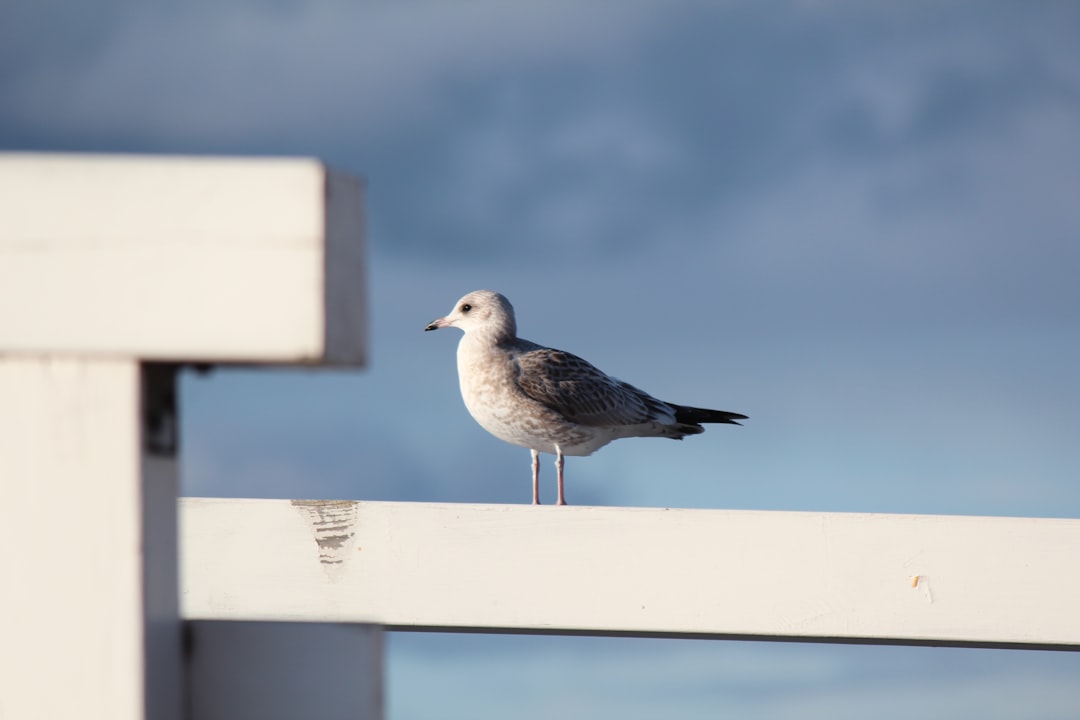
The trail itself is a half-mile one-way walk, flat and universally accessible, ending at a two-level observation tower with views across the ponds from ocean to sound. A shorter path, the Salt Flats Wildlife Trail, branches to the north end of North Pond and terminates at an accessible overlook. What draws people here is the bird density. The refuge's list exceeds 370 documented species. During fall and winter migration, thousands of ducks, geese, and swans concentrate on North Pond — snow geese in particular can turn the water white. Spring and summer shift the cast to nesting shorebirds, wading egrets, and loggerhead sea turtles on the beach. Seasonal closures protect nesting habitat, so sections of beach and marsh may be off-limits depending on when you visit.
Pea Island asks very little of your body. The trails are flat, the distances short, and the wildlife comes to you. What it asks instead is stillness.
Alligator River National Wildlife Refuge is a different proposition entirely. At 152,000 acres on the Dare County mainland, it is one of the largest refuges on the Atlantic Coast, and its terrain — pocosin wetlands, hardwood swamps, freshwater marshes, Atlantic white cedar stands — has almost no visual relationship to the barrier island.
The visitor center for the complex sits on Roanoke Island in Manteo, not within the refuge itself — a distinction that matters for planning. The primary access point is Milltail Road off US Highway 64, where the Creef Cut Wildlife Trail begins — a half-mile accessible path leading to a boardwalk over freshwater marsh, with a fishing platform at the trailhead. The Sandy Ridge Wildlife Trail, also a half-mile but more rustic, runs parallel to the Milltail Creek paddling trails through Atlantic white cedar stands where prothonotary warblers nest in season.
But the draw that pulls most visitors across the bridge is Murphy Peterson Wildlife Drive — roughly fifteen miles of gravel roads through managed fields and moist soil units where black bears are reliably active at dawn and dusk. Locals treat it like a seasonal ritual: drive slow, windows down, binoculars ready. Bear sightings are common enough that some evenings produce double-digit counts. Alligators surface occasionally in roadside canals. And somewhere in the deep pocosin, the last wild red wolves on Earth move through territory that has been theirs since a 1987 reintroduction pulled the species back from biological extinction.
The refuge also maintains over fifteen miles of color-coded paddling trails and runs seasonal guided programs — open-air tram tours, red wolf education events, the Bear Necessities program — through the visitor center.
Alligator River asks more of your time. The drive alone is roughly forty-five minutes from Nags Head. The gravel roads are slow. The wildlife operates on its own schedule. But the payoff is a scale of wildness the barrier island cannot replicate.
Once a year, both refuges converge during the Wings Over Water Wildlife Festival, typically held in October. The event draws birders and wildlife photographers for guided tours, expert-led programs, and access to areas of both refuges that are otherwise difficult to reach. For visitors already planning a shoulder-season trip, it reframes the entire question — you don't have to choose.
Pea Island access: NC Highway 12, approximately four miles south of the Marc Basnight Bridge over Oregon Inlet. Free admission, trails open year-round during daylight hours. Verify current visitor center hours and seasonal closures at fws.gov/refuge/pea-island.
Alligator River access: Primary trailhead at Milltail Road off US Highway 64, roughly six miles west of Manns Harbor. Visitor center on Roanoke Island in Manteo at the Coastal National Wildlife Refuges Gateway Visitor Center. Free admission, daylight hours. Gravel roads may become impassable after heavy rain.
Drive time: Pea Island sits directly on the island route south from Nags Head. Alligator River requires crossing to the mainland — approximately forty-five minutes each way from central OBX.
Best timing: Pea Island peaks during fall and winter migration (October through March). Alligator River's bear activity runs strongest late spring through early fall, with evening drives producing the most sightings.
What to bring: Binoculars essential at both refuges. Insect repellent critical at Alligator River. Sun protection and water at Pea Island — limited shade on the trails.
Both refuges draw visitors during shoulder season, when rental availability across the Outer Banks is typically more flexible and rates reflect the quieter pace.
The question was never which refuge is better. It was always what you came to watch. Feathers or fur. Salt marsh or swamp forest. A flock that fills the sky, or a shape at the tree line that holds still just long enough for you to realize what you're looking at.
Want to feature your business on the DirectStay Blog?
Want to feature your business on the DirectStay Blog?

Connect with travelers, share your space, and join a community of hosts earning together.
Become a host