

 DirectStay
The question sounds simple enough. You pull up a calendar, pick a week that works for the office, and start searching for a place near the water. But North Lake Tahoe doesn't run on a calendar — it runs on a series of narrow windows, and the difference between booking inside one versus outside it shapes your entire trip. Consider the traveler who arrives the third week of June expecting lazy beach afternoons, only to find the lake still bracingly cold and the high trails buried under late-season snowpack. Or the family that books a cabin for mid-January, hoping for deep powder, then drives into a week of bluebird skies and bare south-facing slopes between storms. The timing question here isn't really about seasons. It's about which version of the north shore you actually want — and whether the week you choose delivers it.
Peak ski season in North Lake Tahoe doesn't align with peak crowds the way most visitors assume. The holiday surge — from Christmas through New Year's — packs the resorts and the roads. But by the second week of January, the crowds thin while the snowpack continues to build. Late January through early February tends to deliver some of the most consistent snow conditions of the year, with fewer people sharing the runs.
This is the window where you can ski Palisades Tahoe or Northstar without the lift-line congestion of the holidays, find dinner reservations at places that were booked solid two weeks earlier, and actually use the hot tub at your rental without neighbors stacked on either side. The tradeoff: shorter days, colder nights, and the possibility that a storm cycle closes the roads for a day or two. That's not a bug — it's why the window exists.
[HOST WISDOM PROMPT: "What's the timing trick you've learned from hosting guests across multiple winters?"]
-- ALTERNATE (if no host wisdom): "But hosts who've sent dozens of guests through Tahoe winters have noticed a pattern: the guests who book late January almost never complain about the snow. They complain about running out of days."
March is spring skiing territory, and the dynamic shifts completely. Days get longer. Snow surfaces soften into what skiers call corn — a granular, forgiving texture that makes afternoon runs feel more like surfing than carving. Resorts often extend hours, and the après scene picks up as temperatures allow for outdoor patios.
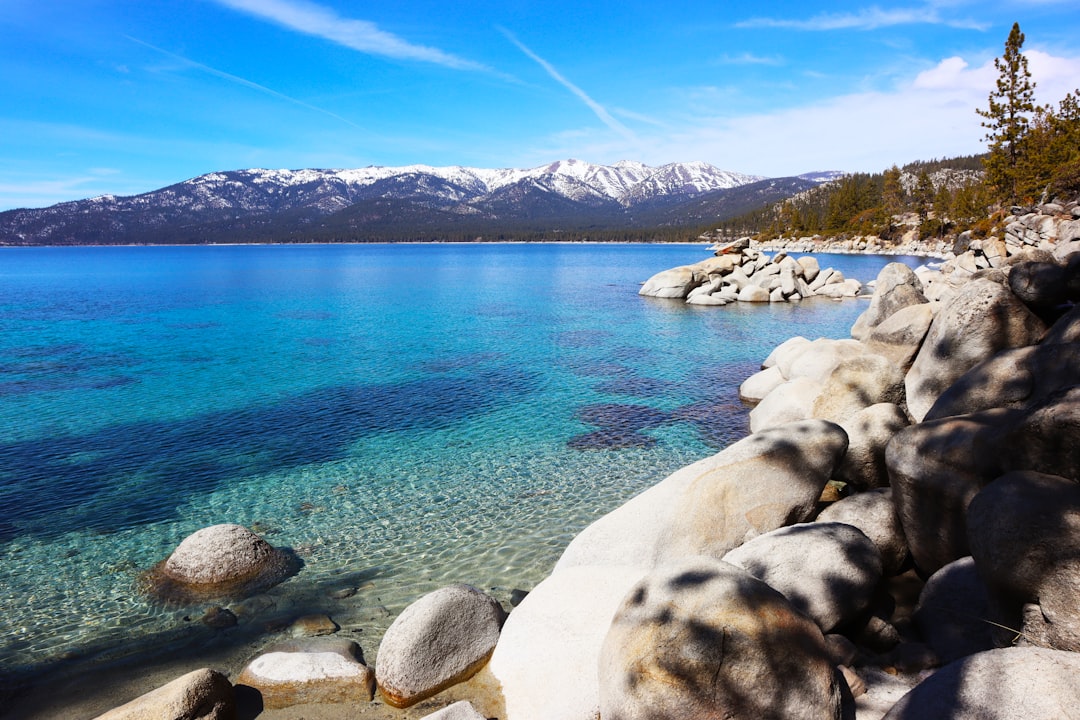
But here's the part most visitors don't map: March is also when the non-ski north shore starts to wake up. Restaurants that ran winter hours begin extending their schedules. The Truckee River corridor opens up for walking. And the light shifts — afternoon sun hits the west shore differently, warming the granite and turning a cold lakefront into something approachable.
The catch is that March weather remains variable. A warm week can be followed by a late-season dump that drops a foot overnight. Pack for layers and assume the forecast will be wrong at least once.
This is the window nobody talks about, because for many travelers it's the wrong answer. Ski season winds down — most North Lake Tahoe resorts close in mid-to-late April, with Palisades Tahoe sometimes extending into late May. But summer hasn't started. Trails at higher elevations remain snow-covered. Beaches and campgrounds along the north shore don't typically open until Memorial Day weekend. Some seasonal restaurants and outfitters close entirely during this stretch.
Locals call it mud season. The snowmelt makes lower trails wet and sloppy. Higher trails are still impassable. The lake itself is at its coldest — fed by snowmelt, surface temperatures stay in the low 40s.
If you're flexible and don't need a packed itinerary, the gap delivers something else entirely: emptiness. Rental rates drop. The towns slow down. You can walk through Tahoe City or Kings Beach and feel like you have the place to yourself. But you need to arrive knowing that many of the things that define a North Lake Tahoe trip — trail access, water activities, full restaurant schedules — aren't available yet. This window rewards the traveler who wants to read on the deck and take short walks, not the one who wants to check off a list.
This is where the timing question gets tricky. The calendar says summer. The weather might even cooperate — high temperatures in the 60s and 70s, long daylight hours, clear skies. But the north shore's summer infrastructure doesn't flip a switch on June 1.
The lake is still cold enough that swimming ranges from bracing to inadvisable for most people. High-elevation trails along the Tahoe Rim Trail and in the Granite Chief Wilderness still carry snow patches well into June, depending on the prior winter's snowpack. Beach facilities and boat rental operations may be open but running limited schedules.
The upside: early June pricing often sits well below peak summer rates, and the crowds haven't arrived yet. If your plan centers on lower-elevation hikes, road cycling, kayaking in a wetsuit, and dining around Tahoe City, early June works. If your plan depends on warm lake water and full trail access, you'll want to push later.
This is the window most people target, and for good reason. Lake surface temperatures climb into the 60s by late July. Every trail is open. Every outfitter, every restaurant, every rental shop runs at full capacity. Music on the Beach and Concerts at Commons Beach run their summer series. The Truckee River is floatable. Paddleboard and kayak conditions are at their best in the morning hours before afternoon winds pick up.
The tradeoff is straightforward: everyone else is here too. Kings Beach and Commons Beach fill early on weekends. Restaurant wait times lengthen. Rental rates hit their annual peak. The north shore handles summer volume better than the south shore — the pace stays calmer, the towns stay smaller — but you'll still feel the difference between a Tuesday and a Saturday.
Within this window, there's a sub-window: the two weeks after Labor Day. Technically September, practically still summer. The lake stays warm. Trails stay open. But the family travel season ends when school starts, and the north shore exhales. Mid-September weekdays on North Lake Tahoe feel like someone handed you the keys to the place and left.
Fall color in the Sierra doesn't get the press that New England does, but the aspens along the north shore and in the Truckee River canyon turn a sharp, almost electric gold in late September through mid-October. The exact timing shifts year to year — an early frost accelerates it, a warm October delays it — but the window is narrow, typically lasting two to three weeks.
October temperatures range from the 30s overnight to the 50s and 60s during the day. Most hiking trails remain accessible at lower and mid-elevations. Campgrounds and beach facilities close for the season, but restaurants in Tahoe City, Truckee, and Kings Beach keep regular hours through fall.
The air changes in October. Mornings carry a bite. The lake darkens from summer turquoise to a deeper blue. The light drops lower and turns everything warm. For photography, for quiet trail runs, for sitting outside with a jacket and a coffee — this is one of the north shore's best windows, and it rarely sells out.
November is Tahoe's least predictable month. Early November often feels like late fall — cool, quiet, some restaurants adjusting to winter hours, ski resorts not yet open. Late November can deliver the first real storms and early-season skiing, particularly at higher-elevation terrain, though coverage is rarely full.
Thanksgiving week is an exception: resorts push to open as much terrain as possible, and the north shore sees a significant bump in visitors. Outside of that holiday window, November is the quietest month on the calendar.
Resorts across the north shore — including Palisades Tahoe, Northstar, Diamond Peak, and Tahoe Donner — generally open between late November and mid-December, with most closing in mid-to-late April. Palisades Tahoe typically operates the longest season, often into late May. Confirm opening and closing dates at each resort's website, as they shift with conditions.
National Forest beaches and picnic areas around Lake Tahoe typically open Memorial Day weekend and close mid-October. Campground reservations for managed sites (William Kent, Kaspian, and others) open on a rolling schedule. Check recreation.gov for current availability.
California chain-control requirements apply on I-80 and SR 89 during winter storms, even for AWD/4WD vehicles at higher control levels. Check Caltrans QuickMap (quickmap.dot.ca.gov) before driving in any month from November through April. Nevada DOT covers the east-shore routes.
Peak rates align with the holiday weeks (Christmas/New Year's, Presidents' Day weekend, Fourth of July, Labor Day weekend). The deepest discounts fall in the spring gap (mid-April through late May) and November before Thanksgiving. Shoulder pricing — meaningfully below peak but with better conditions — shows up in late January, March, early June, and September.
SnowFest (late February–early March), Music on the Beach and Concerts at Commons Beach (summer series), and the Fourth of July in Tahoe City are the north shore's highest-draw events. Build your timing around or away from these, depending on your preference. Confirm current-year dates at gotahoenorth.com.
North Lake Tahoe sits at roughly 6,225 feet at lake level, with surrounding peaks and passes above 7,000–9,000 feet. Weather at the lake and weather at the ski resort or trailhead can differ by 10–20°F. Check forecasts for your specific destination elevation, not just "Tahoe City."
The right week to visit North Lake Tahoe depends on what you're willing to trade. Deep powder costs you daylight and road certainty. Warm lake water costs you solitude and savings. The quietest shoulder months cost you full trail access and open restaurants. There is no week that delivers everything — and the travelers who come back year after year figured that out on their first trip.
The better question isn't when should I go. It's what do I want the trip to feel like — and which window makes that version of the north shore show up.
Want to feature your business on the DirectStay Blog?
Want to feature your business on the DirectStay Blog?

Connect with travelers, share your space, and join a community of hosts earning together.
Become a host