

 DirectStay
The phrase "spring break in Myrtle Beach" hides a variable most visitors never think to check: which week. The Grand Strand doesn't experience one spring break. It absorbs a rolling wave of them — school districts from multiple states releasing at different times, college calendars landing earlier than K-12, and family trips clustering around Easter wherever it falls. The result is a beach that reinvents its crowd composition every seven days from early March through mid-April. One week the boardwalk hums with college-age energy and late-night noise. The next, the same stretch fills with strollers, sand toys, and families who want the beach to themselves by sundown. Neither version is wrong. But they're different trips — and the week you pick is the trip you get.
Spring break along the Grand Strand isn't a single event with a start date and an end date. It's a staggered season. School districts set their own calendars, and those calendars don't align. College breaks tend to fall earlier — often the first two weeks of March. K-12 school breaks scatter from mid-March through April, with the heaviest family concentration typically landing in late March and the weeks flanking Easter.
This isn't chaos. It's a pattern, and it repeats. The college-heavy weeks bring a different crowd than the family-heavy weeks, and the Grand Strand adjusts accordingly. Entertainment leans louder or quieter. Beach density shifts. The restaurants that fill first change. Even the pace of the parking lots changes — earlier arrivals during family weeks, later ones when the crowd skews younger.
What makes this useful for planning: the staggering is the tool. If you know what kind of week you're walking into, you can plan for it instead of reacting to it.
During early-March weeks when college breaks cluster, the energy along Ocean Boulevard runs later into the evening. The boardwalk stays active past the point where family-oriented weeks would have cleared out. Restaurants and bars near the boardwalk fill with groups, and the volume — literal volume, conversations and music — rises after dark.
This isn't the spring break of popular imagination. Myrtle Beach has shifted significantly over the years, and the traditional party-scene reputation has faded. But the younger crowd still changes the rhythm. Evenings feel different before mornings do. The beach itself stays relatively calm during the day; the shift happens at night, concentrated around the boardwalk and downtown entertainment corridors.
For families who happen to arrive during one of these weeks: the mornings are yours. The beach before noon feels like any other early-spring day on the Grand Strand. The intensity is a nighttime phenomenon, and it's geographically concentrated.
When K-12 breaks take over — typically mid-March through April — the Grand Strand tilts toward a different energy entirely. Mini-golf courses, go-kart tracks, and family-oriented attractions along Kings Highway and the 17 Bypass see their heaviest spring traffic. Beach towels spread earlier. Dinner reservations fill for the 5:30 and 6:00 seatings instead of the 8:00 and 9:00 ones.
The beach patrol presence is consistent throughout the season, but the character of the crowd it's managing changes. Family weeks bring more daytime density on the sand and less late-night activity on the boulevard. The noise complaints shift from music to seagulls. Parking lots fill earlier. The whole rhythm moves forward by about three hours.
This is also when the surrounding communities — Surfside Beach, Garden City, Murrells Inlet — absorb more of the visitor traffic. Families planning longer stays tend to spread out along the Grand Strand rather than concentrating downtown. The result is a broader, more distributed crowd that touches more of the coastline.
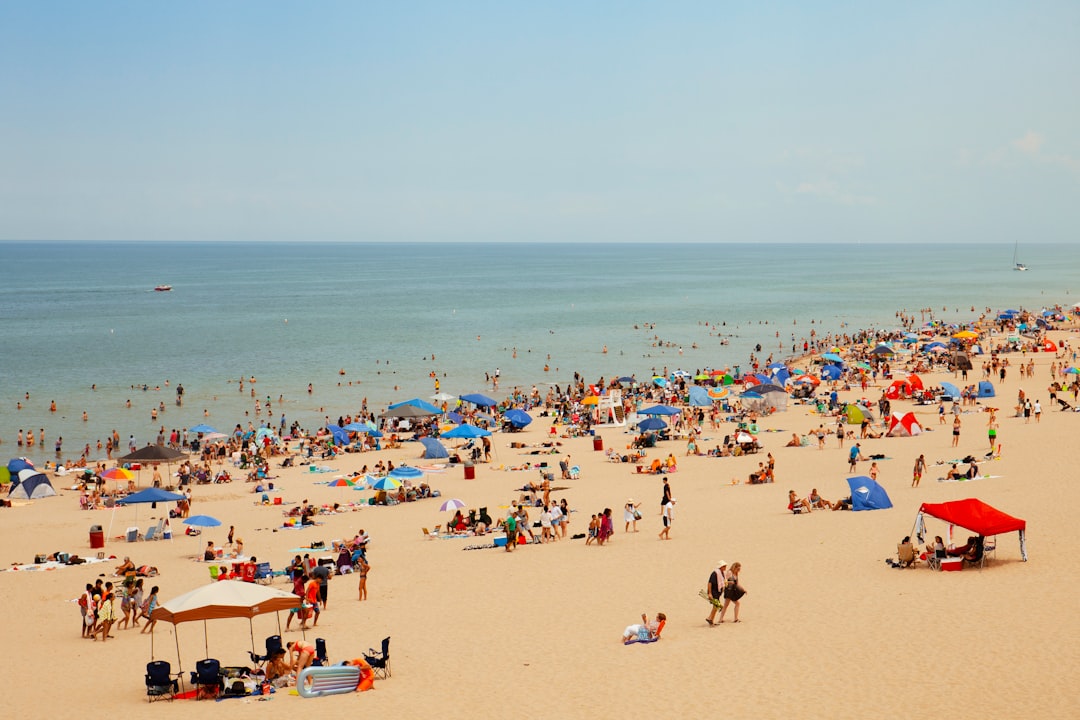
Beach density. The sand fills differently depending on who's in town. College weeks see later arrivals and more evening beach use. Family weeks front-load the day — towels down by 9 AM, beach cleared by late afternoon.
Restaurant timing. During family-dominant weeks, early-bird seatings fill and kitchens wind down earlier. During college-heavy weeks, late-night dining gets busier and the post-10 PM food options see more traffic.
Noise thresholds. This is the variable that catches people off guard. A beach rental that felt perfectly peaceful one week might sit adjacent to a louder crowd the next. The location didn't change. The week did.
Law enforcement visibility. Myrtle Beach increases its police presence during peak spring periods, including bicycle patrols and foot officers along Ocean Boulevard and the boardwalk. This is consistent across all spring break weeks, but the areas of concentration shift depending on where the density builds.
Attraction wait times. Family Kingdom, Broadway at the Beach, and the boardwalk attractions see their longest lines during K-12 break weeks. If you're planning a day around rides or mini-golf, the college weeks are often shorter waits — the younger crowd gravitates toward different entertainment.
The staggering isn't a problem to solve. It's information to plan with.
If you're a family looking for the calmest version of spring break Myrtle Beach, the early edges of the season — first week of March or mid-April after most school breaks have passed — tend to carry the lightest crowds. The trade-off is cooler water temperatures and some seasonal attractions still ramping up.
If you don't mind energy and want the fullest version of what the Grand Strand puts on during spring — everything open, every attraction staffed, the boardwalk at full velocity — the late March and early April weeks bring the peak. Plan for it. Arrive early for parking. Book dinner before you leave the rental.
If your dates are fixed and you can't choose your week, the useful adjustment is geographic. The downtown Myrtle Beach boardwalk area absorbs the most concentrated energy during any given spring break week. North Myrtle Beach, Surfside Beach, and communities south toward Pawleys Island operate at a different tempo. Same coastline, different crowd density.
When: Spring break season along the Grand Strand typically spans early March through mid-April. The busiest weeks historically fall in late March and early April, aligning with the highest concentration of K-12 school breaks. College breaks tend to cluster earlier in March. Verify your local school calendar to understand which week you're entering.
Where the density concentrates: The downtown Myrtle Beach boardwalk and Ocean Boulevard corridor absorb the heaviest foot traffic during any spring break week. Communities along the Grand Strand — North Myrtle Beach, Surfside Beach, Garden City, Murrells Inlet — experience increased visitor traffic but at a lower intensity than the downtown core.
Beach patrol: The Myrtle Beach Police Department's Beach Patrol Unit operates year-round along approximately ten miles of coastline, using foot patrols, trucks, and ATVs. During peak spring periods, the department increases its overall law enforcement presence, including officers on bicycles and on foot along Ocean Boulevard. North Myrtle Beach maintains its own Beach Patrol Division, which also patrols year-round.
Parking: Spring break weeks compress parking availability along the downtown corridor, especially during family-dominant weeks when arrivals start earlier. The city operates paid parking year-round. Verify current rates and lot availability at the City of Myrtle Beach parking page before planning your day.
Weather: Daytime highs along the Grand Strand during spring break season typically range from the low 60s in early March to the mid-70s by mid-April. Mornings and evenings run cooler — lows in March can dip into the mid-40s. The ocean remains cool — comfortable for wading but not necessarily for extended swimming. Layers are useful, especially in early March. Conditions can shift quickly; check local forecasts before each day.
Lodging note: Spring break weeks increase lodging demand across the Grand Strand, with the heaviest compression during late March and early April. Guests staying in surrounding communities can plan the beach and boardwalk as a destination day — arrive early, park once, and build a full day in the area before driving back. Booking in advance opens up options in quieter areas with more space and lower density.
Spring break in Myrtle Beach isn't a single week. It's a season — six weeks of rolling arrivals, shifting crowds, and a coastline that adjusts its energy every seven days. The boardwalk during a college week and the boardwalk during a family week are the same boardwalk with a different pulse. Neither version is the wrong one. But they're different trips, and the difference between a week that fits your group and a week that doesn't is usually a calendar check you can do before you book. The Grand Strand has been absorbing this rotation for a long time. The only thing that changes is whether you planned for it.
Want to feature your business on the DirectStay Blog?
Want to feature your business on the DirectStay Blog?

Connect with travelers, share your space, and join a community of hosts earning together.