

 DirectStay
The Grand Strand sells itself on energy — the boardwalk, the strip, the density that builds from Memorial Day through Labor Day. And for plenty of travelers, that energy is the reason they came. But if you're here alone, or if you're here with a dog, crowd energy isn't a feature. It's a variable you're managing. The solo traveler scanning a packed restaurant for a single open seat and the dog owner calculating whether the afternoon beach will be too hot, too loud, or too leash-restricted — they're solving the same equation. Where does friction drop? The answer, for both, usually starts with timing. Early mornings on the beach — before the restricted hours begin, before the umbrellas stake their rows — belong to a different coastline. The leash stays short but the sand stretches. The solo walker doesn't need a table for two. And the rest of the day opens differently once you know which spaces were built for your kind of trip and which ones just tolerate it.
Most visitors plan around what's open. Solo and pet travelers learn to plan around what's empty. The same beach that feels like a negotiation at noon feels like it belongs to you at seven in the morning.
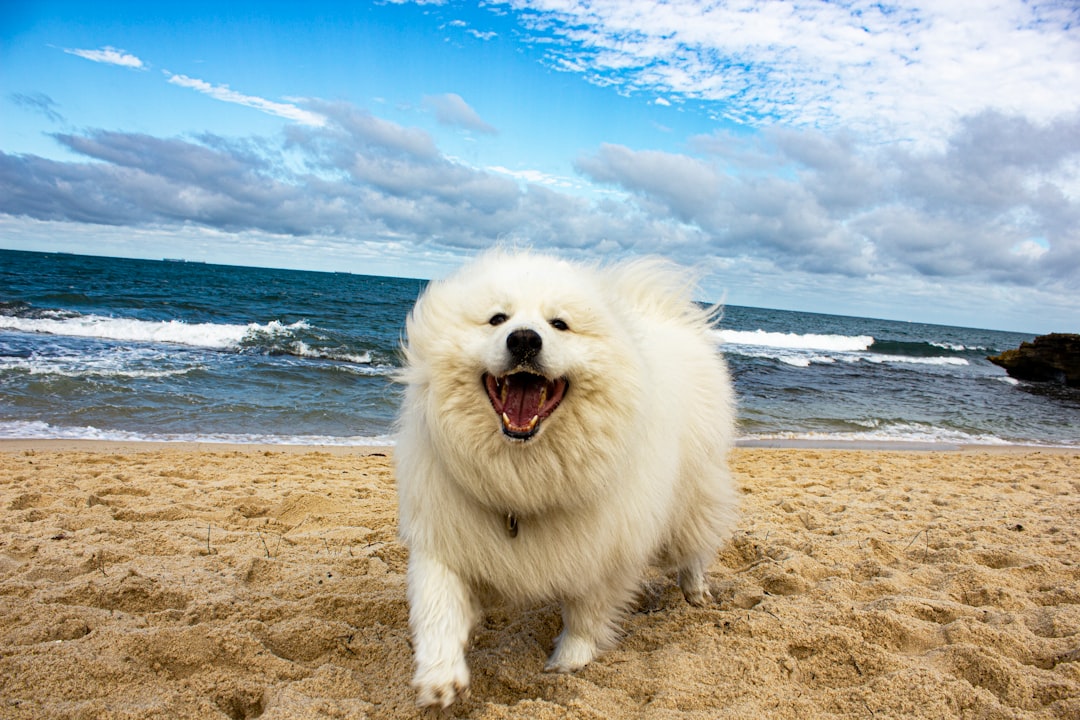
Along the Grand Strand, beach access rules for dogs follow a seasonal pattern that has held consistently across multiple years. In Myrtle Beach, dogs are not permitted on the beach between 10 AM and 5 PM from May 1 through Labor Day. The rest of the year, access is unrestricted. North Myrtle Beach restricts dogs during daytime hours from May 15 through Labor Day — the city's official ordinance page and various tourism sources cite slightly different restriction windows, so verify the current hours directly with the city before planning around them. Surfside Beach follows the same general pattern as Myrtle Beach — dogs are restricted during midday hours from May 1 through Labor Day but allowed in early morning and evening. Garden City Beach splits its rules by county line — the Horry County side follows the same daytime restriction pattern, while the Georgetown County side has historically allowed dogs year-round with leash requirements during peak daytime hours and voice control permitted at other times.
The pattern is consistent enough to plan around: early mornings and evenings during summer, unrestricted access the rest of the year. For solo travelers without a dog, these same windows happen to be when the beach is quietest, coolest, and most navigable without weaving through rental chairs and family encampments.
Leash requirements are universal on the beach — seven feet maximum in Myrtle Beach, North Myrtle Beach, and Surfside Beach; six feet in state parks. Other unincorporated areas may differ. Verify current regulations with each municipality before your trip, as enforcement boundaries and seasonal dates can shift.
Some spaces along the Grand Strand were designed for the kind of visit where you don't need a crowd to have a good time.
The Conway Riverwalk sits about fifteen miles inland from the beach, following the Waccamaw River on a flat, paved path of asphalt, concrete, brick, and wooden boardwalk. Dogs are welcome on leash year-round. The trail runs about 1.3 miles out-and-back, shaded by oaks and cypress along the river, and it connects to Conway's historic downtown — where a solo traveler can grab lunch without competing for a beachfront table. The Riverwalk is wheelchair-accessible, stroller-friendly, and rarely crowded in the way the oceanfront paths are, even in peak season.
Myrtle Beach State Park sits on the south end of Myrtle Beach and follows Horry County beach rules for pet access. Beyond the beach, the park's interior trails — Sculptured Oak Trail and Yaupon Trail — run through maritime forest with natural surfaces. Dogs are allowed on leash (six-foot maximum). These aren't paved paths, and roots and sand make them uneven in places, but the canopy keeps them cooler than the open beach. For a solo hiker, they're a way to disappear into quiet for an hour without driving to the mountains.
Huntington Beach State Park, further south in Murrells Inlet, allows dogs on its south end beach only — the north end and buildings are off-limits. Leash maximum is six feet. The park draws birders and photographers more than beach-blanket crowds, which means less density and fewer encounters with off-leash dogs that might stress your own.
When you need your dog to run and you need to stop managing the leash, the Grand Strand has dedicated space for it.
Barc Parc South sits near the Market Common in southern Myrtle Beach — fourteen fenced acres with a lake, shade structures, and separate areas for large and small dogs. It's open sun-up to sun-down, free, and the kind of space where your dog swims while you sit on a bench and don't have to explain yourself to anyone. For a solo pet traveler, it solves the problem of giving your dog a full-body reset without negotiating beach rules or timing restrictions.
Barc Parc North, off 62nd Avenue near the Claire Chapin Epps Family YMCA, covers three and a third acres with separate large and small dog sections. It's smaller than the south park but closer to the middle of the strand.
Both parks are managed by the City of Myrtle Beach and follow the same rules: dogs must be spayed or neutered, vaccinated, and supervised at all times. Owners must carry a leash even inside the off-leash area. Verify current hours and any maintenance closures at the City of Myrtle Beach parks page before visiting.
Off-season — roughly Labor Day through April — is when the Grand Strand becomes a different place for solo and pet travelers. Beach restrictions lift across most municipalities. Crowds thin. Parking stops being a calculation. Restaurant wait times shrink to the point where a solo diner walks in and sits down without scanning the room.
Summer reverses everything. The restricted beach hours push dog walkers into the same narrow morning and evening windows, which concentrates the pet population into smaller timeframes. Heat compounds the friction — pavement and sand surfaces climb quickly after mid-morning, and dogs with lower heat tolerance need shade access that the open beach doesn't offer. Solo travelers face different summer friction: longer lines, fewer single-occupancy tables, and the general assumption that everyone arrived with a group.
The shoulder months — April and May, September and October — tend to be the widest windows. Temperatures moderate, crowds thin without disappearing entirely, and beach access opens up before the full summer restrictions take effect. These are the months when both solo and pet travelers find the version of the Grand Strand that feels like it was built for them.
Beach rules: Dog access restrictions follow seasonal patterns that have been consistent across multiple years. Myrtle Beach, North Myrtle Beach, Surfside Beach, and Garden City Beach each set their own dates, hours, and enforcement boundaries. The general pattern is a midday restriction during the summer season (roughly May through Labor Day) with unrestricted access in the off-season. Specific hours and date ranges vary by municipality and have been updated in recent years — verify current rules directly with each town before your trip.
Leash requirements: Universal across all Grand Strand beach communities. Seven feet maximum in Myrtle Beach, North Myrtle Beach, and Surfside Beach; six feet in state parks. Off-leash beach access does not exist anywhere on the Grand Strand's oceanfront.
Off-leash parks: Barc Parc South (near Market Common) and Barc Parc North (62nd Avenue) are both fenced, free, and open sun-up to sun-down. Dogs must be spayed or neutered. Verify current hours and any maintenance closures at the City of Myrtle Beach parks page: cityofmyrtlebeach.com/i_want_to/find/bark_parks.php
Conway Riverwalk: Trailhead at 2nd Avenue in downtown Conway. Paved, flat, approximately 1.3 miles out-and-back. Dogs welcome on leash year-round.
State parks: Myrtle Beach State Park and Huntington Beach State Park both allow dogs with restrictions. Leash maximum is six feet. Huntington limits dogs to the south end beach only. Verify current conditions, access, and fees at the South Carolina State Parks site.
Heat and surfaces: Sand and pavement temperatures rise quickly after mid-morning in summer months. Dogs with lower heat tolerance benefit from early morning or evening outings. Shade access varies — the inland parks and trails tend to offer more consistent cover than the open beach.
Solo dining: The Grand Strand's restaurant scene runs heavily toward group and family seating. Bar seating and counter service tend to be the most friction-free options for solo diners. Off-season and shoulder months dramatically reduce wait times.
Lodging note: Solo travelers and pet owners both benefit from planning their base around the experiences that matter most to them. Guests staying in surrounding communities can build a beach day or park day as a destination trip — arrive early, park once, and let the day unfold without rushing between access windows. Booking ahead opens up quieter, more spacious options outside the beach corridor.
The solo traveler and the dog owner rarely end up in the same travel guide. But on the Grand Strand, they're reading the same coastline the same way — scanning for the spaces where nobody asks why you're alone, where the rules work in your favor, and where the morning belongs to whoever showed up first. The strand doesn't shrink for smaller parties. It just asks you to know when to arrive. The dog owner who learns the seasonal calendar and the solo traveler who discovers the early-morning beach are solving the same problem: finding the version of this place that was already there, just waiting for the crowd to clear.
Want to feature your business on the DirectStay Blog?
Want to feature your business on the DirectStay Blog?

Connect with travelers, share your space, and join a community of hosts earning together.