

 DirectStay
Myrtle Beach in the weeks before it fully wakes up reads differently than the version most people book. Ocean Boulevard carries a particular stillness in late winter — the kind where you notice the sound of the surf again, where a walk from one end of the waterfront to the other takes as long as you want it to. Then something shifts. Not dramatically. Not overnight. But the city tilts. The Run to the Sun Car Show lands in March and draws tens of thousands to the old Myrtle Square Mall site, the way it has every year for nearly four decades. Then comes the St. Patrick's Day parade in North Myrtle Beach. Then spring break. The question worth asking, before you book, isn't whether Myrtle Beach is worth visiting in this window. It's whether you know which version you're arriving into.
The temptation is to think of late-winter Myrtle Beach as a diminished version of itself — fewer people, fewer options, less energy. That reading misses what's actually available. Downtown, the crowds haven't arrived yet. A restaurant that runs a long wait in July has a table ready. The waterfront doesn't compete with itself for your attention. Dogs are still allowed on the beach at any hour. The pace is something the summer version of this city can't offer.
This is a real version of Myrtle Beach, not a consolation one. The locals who use it know what they have.
The shift doesn't announce itself. It builds from a specific set of recurring anchors.
The Run to the Sun Car and Truck Show has landed in March every year since the late 1980s — now in its 37th year, it draws more than 3,000 pre-1989 cars and roughly 10,000 spectators to North Kings Highway over three days. It is not a small event. When it fills the old Myrtle Square Mall site, the surrounding area feels it. Spectator parking routes to the Pelicans Stadium lot and shuttle buses run every ten to fifteen minutes — which tells you what the parking situation near the show is like without a shuttle.
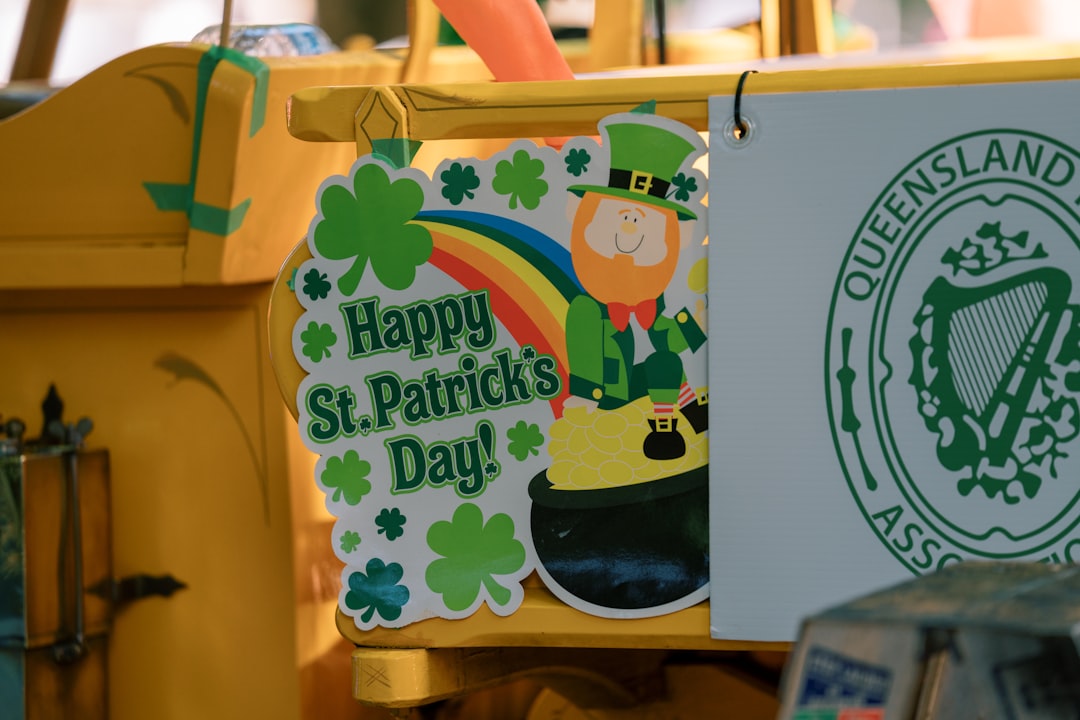
After that comes the St. Patrick's Day weekend in North Myrtle Beach — historically drawing more than 30,000 people to Main Street for the parade and festival. Then spring break begins cycling visitors through faster than the winter pace allows.
Each of these events is a signal. When they land, the city's math changes.
This is the detail most visitors don't track correctly. In downtown Myrtle Beach — roughly the core district from 6th Avenue South to 21st Avenue North — parking in city-metered spaces is free from October through the last day of February. On March 1, the meters go active. That transition is real, annual, and documented. It's not aggressive in isolation, but it coincides precisely with the first wave of spring events, which means the window where downtown parking is both free and uncrowded closes at the same moment the crowds start building.
Outside the downtown core, paid parking applies year-round.
The communities surrounding Myrtle Beach proper — Surfside Beach to the south, Murrells Inlet with its MarshWalk, Pawleys Island further down — don't transition in lockstep with the main strip. They carry their own event calendars and their own rhythms. Murrells Inlet in particular anchors some of the larger spring event activity, meaning it doesn't stay untouched the way visitors sometimes assume.
But the pattern that tends to hold is this: the further south you go from the main strip, the longer the quiet window lasts. The March events are concentrated north and central; the communities below them absorb visitors more slowly, and the roads home don't run through the same bottlenecks.
When the first major March event confirms and begins drawing attention, lodging compression happens faster than most visitors new to the shoulder season expect. People who were watching and waiting decide to move. Accommodations that were easy to find in February start filling — not because the events themselves fill every room, but because they function as a starting gun for the planning cycle.
The gap between "event announced" and "area booked out" has shortened as trip-planning tools have made monitoring easier. The visitors who lock in before that signal fires find more options and more spaciousness. The ones who wait find a city that has already reorganized itself around different assumptions.
Events. Two recurring March anchors drive the early transition. The Run to the Sun Car and Truck Show has run every year since the late 1980s — the 37th annual edition runs March 19–21, 2026, at the old Myrtle Square Mall site, 2501 N. Kings Highway. Verify current-year dates and any access changes at runtothesuncarshow.com. The St. Patrick's Day Parade and Festival in North Myrtle Beach has historically drawn 30,000+ attendees in mid-March; verify the current year's date and route at northmyrtlebeach.com. Both events recur annually but don't always fall on the same dates — confirm before planning.
Parking. In the downtown core (6th Avenue South to 21st Avenue North, west to Kings Highway), city-metered parking is free October 1 through February 28. Meters go active March 1 and are enforced from 9 a.m. to midnight, seven days a week. Outside that downtown zone, paid parking applies year-round. During Run to the Sun weekend, spectator parking routes to Myrtle Beach Pelicans Stadium (1251 21st Ave N) with shuttle service running every 10–15 minutes. Verify current rates and any changes at cityofmyrtlebeach.com.
Crowds and timing. The week before a March event tends to be the last genuinely open window. Once an event's attendance builds momentum, wait times, parking pressure, and accommodation availability all compress together — and historically that compression accelerates in the final two weeks before each anchor event.
Where. Ocean Boulevard and the downtown Myrtle Beach waterfront are the primary axis of this transition. The Run to the Sun Car Show operates at 2501 N. Kings Highway. The peripheral beach communities — Surfside Beach, Murrells Inlet, and Pawleys Island — are south of the main strip and experience the seasonal shift on their own timelines.
Lodging. The window just before the first major March event is when the lodging picture is most open across the Grand Strand. Guests who build their arrival around being in place before an event weekend, park once, and plan a full day in the area tend to navigate the transition better than those who treat it like low-season logistics. The drive between surrounding communities and the main strip is part of the planning — not an obstacle — if you account for it before event weekend.
Two versions of Myrtle Beach, separated by a few weeks and a shift in momentum you can feel before you can name it. One where the city is yours to move through slowly. One where it has already reorganized itself around a different kind of visitor. The meters turn on March 1. The cars arrive the third week of the month. The parades follow. Neither version is wrong — but they are not the same trip, and they don't overlap. The question is whether you knew which one you were booking.
Want to feature your business on the DirectStay Blog?
Want to feature your business on the DirectStay Blog?

Connect with travelers, share your space, and join a community of hosts earning together.