

 DirectStay
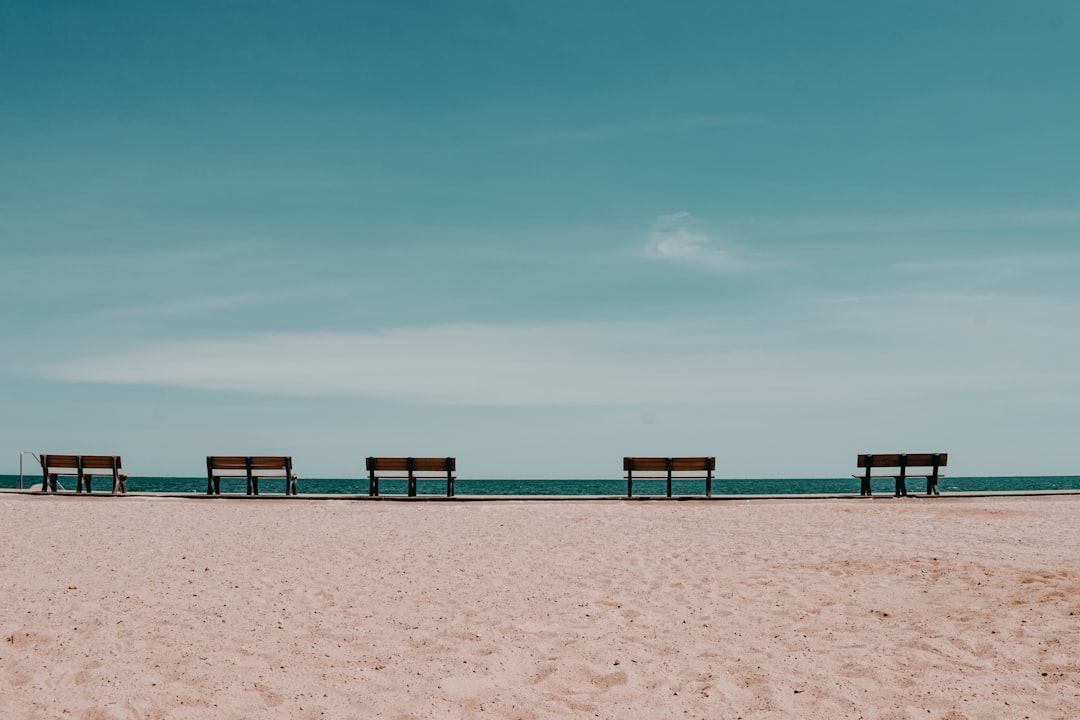
The Grand Strand carries a reputation for crowds — and in peak season, it earns it. Towels touch towels, umbrellas form neighborhoods, and the sound of the surf competes with the sound of everything else. Most visitors accept this as part of the deal. They set up at mid-morning, dig in, and share the sand with everyone who had the same idea. But locals who walk the same stretch of beach every day know something the crowd doesn't account for: the beach has a daily rhythm, and it gives back space at both edges. Not empty-beach space — not some abandoned cove nobody found. Just a different version of the same sand, with fewer voices in it and more room to hear the water. It happens in the early morning before setup begins. And it happens again in the early evening, after the chairs come down and the light turns gold. The beach doesn't close during those hours. It just breathes differently.
The shift happens before most visitors think about the beach at all. In summer along the Grand Strand, the sun clears the horizon early — and for a window after that, the sand belongs mostly to walkers, runners, and the occasional surf caster testing the tide. The air is cooler. The wind tends to sit lower. The ocean sounds louder because there's less competing with it.
This isn't about waking up at an extreme hour. It's about arriving before the setup wave — the coolers, the canopies, the staking of territory that defines a beach day from mid-morning through afternoon. That wave tends to build between nine and ten during peak season, earlier on weekends when families try to claim space. Before it arrives, the beach has a different feel. You can walk in a straight line for a long time without navigating around anyone. You can sit near the water without a wall of umbrellas between you and the surf. The light is lower and softer — better for photographs, easier on the eyes, and the kind of warmth that doesn't send you looking for shade within twenty minutes.
The morning edge is especially noticeable on the wider stretches south of the downtown core — Surfside Beach, Garden City, and the state park beaches — where the sand runs deep enough that early arrivals have genuine room. But even along the busier boardwalk sections of Myrtle Beach proper, the hour before setup transforms the same strip of sand that will be shoulder-to-shoulder by noon.
The second window opens from the other direction. Sometime after the hottest hours pass — and after the sunscreen has worn thin and the kids have worn out — the beach starts to clear. Not all at once. The chairs fold. The umbrellas collapse. The coolers roll back over the dunes. By early evening during peak season, the crowd thins noticeably, and what's left is a different energy entirely.
The walkers return. Couples appear at the waterline. The light drops lower and warmer, and the surf sounds sharper against the quieter backdrop. This is the golden-hour version of the Grand Strand — the same beach with a different soundtrack. The heat has broken enough to make bare feet on the sand comfortable again, and the breeze that builds in the late afternoon carries the salt smell without the sunscreen haze.
This window is shorter than the morning one, and it varies more with the season. In June and July, the sun stays high well into the evening and the crowd lingers longer. In May and September, the window arrives earlier and stretches wider. Weather matters too — a cloudy afternoon can push the crowd out sooner, while a perfect-sky day holds them later.
The evening edge also carries a caveat the morning doesn't: lower light means lower visibility in the water. Along the Grand Strand, lifeguard coverage during peak season generally runs through the early evening hours, but timing varies by beach and provider — and once guards come down for the day, you're on your own. If swimming is part of the plan, the morning window after lifeguards are posted is the safer choice. The evening edge is for walking, sitting, watching the light change, and remembering what the beach sounds like when it isn't performing for anyone.
The daily rhythm of the Grand Strand isn't a secret. It's physics. The sun rises and sets. The heat builds and fades. People arrive, set up, stay, and leave in a pattern that repeats itself every day of the season. What makes it useful isn't insider knowledge — it's recognizing that the beach you experience at ten in the morning and the beach you experience at seven in the evening are not the same beach in any way that matters.
The busiest stretch of the busiest day still has edges. The season with the most visitors still has mornings where you can hear the birds before you hear the crowd. The question isn't whether the Grand Strand gets crowded. It does. The question is whether you need every hour of your beach day to be the version everyone else is having — or whether borrowing an edge gives you something the middle of the day can't.
Season shapes the contrast. In peak summer — late June through mid-August — the quiet windows compress. More people, longer days, hotter afternoons that keep the crowd in place. The morning edge narrows to an hour or less. The evening edge starts later and ends faster. In shoulder months — May, early June, September, October — the windows widen. Fewer visitors, gentler temperatures, and a rhythm that gives back more space for longer. The beach in shoulder season doesn't just feel less crowded. It feels like a different place.
Photographers and anyone who cares about how the beach looks in their camera roll already know this: the middle of the day is the worst time to take a picture on the sand. Harsh overhead light, squinting faces, flat shadows. The edges of the day — that first hour after sunrise, that last hour before sunset — are when the Grand Strand looks the way it does on postcards. The light runs sideways across the water and turns the sand warm. Shadows lengthen. The sky does things that noon never allows.
This isn't a photography tip. It's a planning frame. If the way the beach looks and feels matters to you — if you came here partly for the visual, for the moment, for the kind of light that makes you stop walking — then the edges of the day are when the Grand Strand gives you that. The crowd hours deliver energy, shared experience, the hum of a full beach doing what a full beach does. The edges hold the other version.
Where: This rhythm applies across Grand Strand beaches — from North Myrtle Beach south through Surfside Beach and Garden City. The effect is most pronounced on wider stretches with less concentrated development.
Timing: The morning window typically runs from sunrise through mid-morning. The evening window opens as the crowd thins, generally in the late afternoon through sunset. Both windows compress during peak summer and expand during shoulder months.
Safety: Lifeguard coverage varies by beach and season. Along most of the Grand Strand, lifeguard services operate seasonally — typically from mid-May through mid-September — with guards posted from morning through early evening. After guards come down for the day, swimming is at your own risk. Morning hours after staffed coverage begins are the safest window for swimming. Evening hours carry reduced visibility. Check with local beach patrol or lifeguard stations for current coverage hours.
Parking: Arriving early often means easier parking in areas that reach capacity by mid-morning during peak season. Evening visits may benefit from turnover in spots that were full all day. Myrtle Beach State Park, Huntington Beach State Park, and municipal beach access points all have limited capacity — arriving outside peak hours typically avoids closures and long waits. Verify current parking rates and availability at the City of Myrtle Beach parking page or at individual state park sites.
Pets: Horry County beaches typically restrict dogs during daytime hours in peak season — historically from mid-morning through late afternoon, May through Labor Day. Early morning and evening are generally the windows when dogs are permitted. Verify current pet ordinance hours before planning around them.
State park access: Both Myrtle Beach State Park and Huntington Beach State Park are known for less crowded beach conditions and maritime forest settings, but both can reach capacity during peak hours on summer weekends. Arriving outside the typical peak window — before mid-morning or after mid-afternoon — reduces wait times and the risk of being turned away. Check each park's site for current hours and admission details: southcarolinaparks.com/myrtle-beach and southcarolinaparks.com/huntington-beach.
Lodging note: Guests staying in surrounding communities already have a built-in advantage for the morning edge — the drive becomes part of the ritual. Leave early, arrive before the corridor fills, and the same beach that will be compressed by noon is wide open. The return trip after an evening visit doubles as decompression: quieter roads, fading light, and the kind of drive that feels like the end of a full day rather than the start of traffic.
The Grand Strand doesn't empty out. Not in season, and not on the days when it matters most. But it does breathe — a rhythm as predictable as the tides and just as easy to miss if you're not paying attention. The morning edge and the evening edge aren't escapes from the beach. They're the beach at its most generous — same sand, same water, same stretch of coastline you came here for. Just fewer people asking it to do everything at once. Whether you came here for the quiet or for the crowd, the beach has both. The only variable is the hour.
Want to feature your business on the DirectStay Blog?
Want to feature your business on the DirectStay Blog?

Connect with travelers, share your space, and join a community of hosts earning together.