

 DirectStay
A beach day in Myrtle Beach starts in a parking lot — whether you meant it to or not. The group that arrived at the access point before the meters switched on is already set up, towels flat, cooler in the sand. The group that pulled in two hours later is circling the same block for the third time, kids overheating in the back seat, wondering how a trip to the beach turned into a trip through traffic. Same coastline. Same Saturday. Completely different mornings. The difference isn't luck or local knowledge or some insider lot nobody else found. It's timing. And the thing about timing along the Grand Strand is that it follows patterns — patterns you can read before you leave the house, if you know what to look for. The friction isn't the beach. It's the approach. And the approach is something you can plan around once you stop treating parking as an afterthought and start treating it as the first decision of the day.
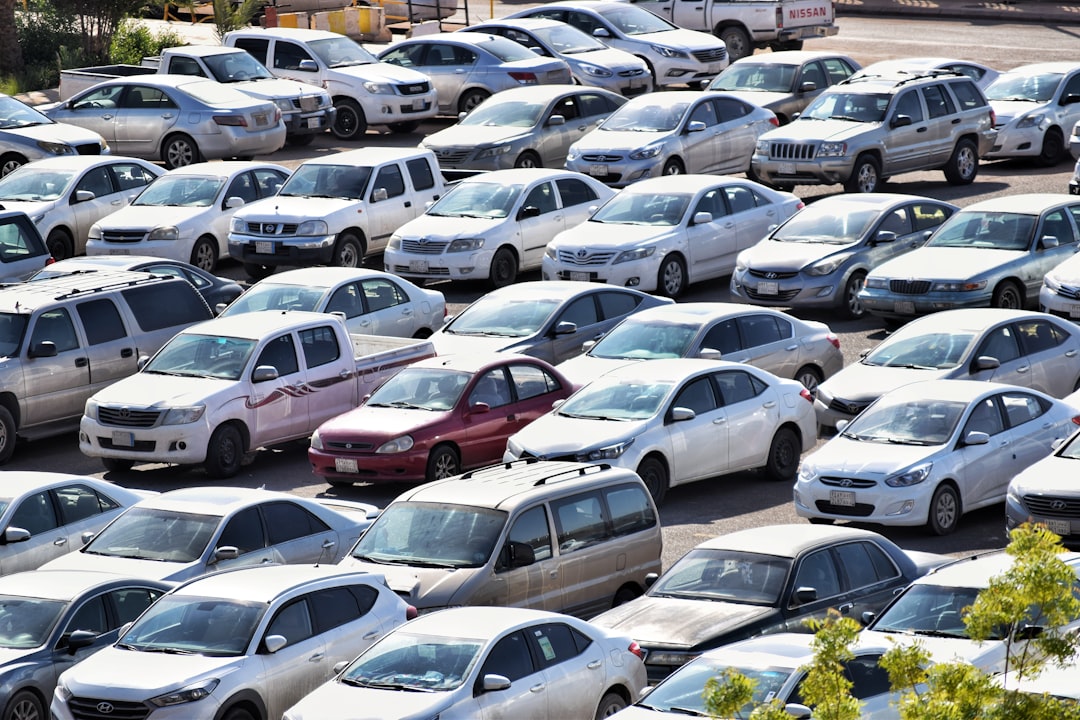
Parking along the Grand Strand follows a rhythm that repeats with almost mechanical consistency during peak season. Early morning is open. The lots at beach accesses sit mostly empty before enforcement hours begin. Arrivals trickle in through mid-morning, and by late morning the most convenient spots are claimed. By midday, the popular accesses — the ones closest to the boardwalk, the ones near the state parks, the ones with showers and restrooms — are full or approaching capacity.
This isn't a weekend-only pattern. During summer months, weekday middays compress nearly as hard as Saturdays. The difference is that weekday mornings stay open longer, giving you a wider window before the lots fill.
The pattern reverses in the afternoon. Families with younger children leave earlier, which means spots start turning over by mid-to-late afternoon. A group arriving at three or four o'clock often finds what a group arriving at noon could not — an open space at an access point that was full two hours earlier.
The takeaway isn't complicated: early and late work. The middle of the day is where the friction lives.
Most visitors optimize for the closest possible spot to the sand. That instinct is understandable — nobody wants to haul a cooler and three beach chairs across a parking lot. But the cost of that instinct is often higher than the walk itself.
The access points closest to the boardwalk and the densest hotel corridors fill first and empty last. A spot three or four blocks farther from the main activity zone might sit open all morning. The walk adds a few minutes. But the time you save not circling, not idling, not managing the frustration of a full lot — that math usually works in your favor.
This is especially true in North Myrtle Beach, where the city maintains more than fifty public beach access parking locations spread across nine miles of coastline. The popular central accesses fill faster, but the ones farther north toward Cherry Grove or farther south tend to hold open longer.
The principle is simple: a short walk from a stress-free spot beats a close spot earned through twenty minutes of circling. Most people know this. Fewer people act on it.
Here's what catches most visitors off guard: leaving is often harder than arriving. The same corridors that fill with inbound traffic in the morning reverse in the late afternoon, and the exit surge — everyone leaving at roughly the same time — creates a bottleneck that can add significant time to what should be a short drive.
Ocean Boulevard moves slowly during peak hours regardless of direction. The access roads that feed into Kings Highway and the main corridors back up as beach traffic merges with dinner traffic and attraction traffic simultaneously. If you parked in the densest zone, your car is now embedded in the densest exit pattern.
Planning the exit means thinking about it before you park. A spot slightly farther from the core — one that connects to a less congested outbound route — can save more time on departure than it cost on arrival. The beach day that felt relaxed all afternoon can unravel in the last thirty minutes if the drive out takes three times longer than expected.
Parking behavior along the Grand Strand changes dramatically by season, and treating summer rules as year-round rules leads to unnecessary stress — or unnecessary expense.
During peak season, paid parking enforcement runs daily in Myrtle Beach. The city has historically enforced meters from March through October, though recent ordinance changes have adjusted the free-parking window in certain downtown zones. North Myrtle Beach operates paid parking typically from March through October, with free windows before nine in the morning and after five in the evening. Myrtle Beach State Park can reach full capacity on summer weekends and may temporarily close its gates to new vehicles — the park itself recommends arriving outside the ten-to-two window.
Off-season is a different equation entirely. The city has restored free parking in parts of the downtown core during winter months, and the lots that were full in July sit mostly open in January. The access points are the same. The beach is the same. The parking experience is unrecognizable.
Shoulder seasons — March, April, early May, and October — fall somewhere in between. The meters are running, but the lots don't fill as early or stay full as long. These months reward moderate timing without demanding the discipline that July requires.
Event weekends create parking scarcity that arrives before the crowds are visible. A festival downtown, a car show along Ocean Boulevard, a concert series near the boardwalk — these pull vehicles into the same corridors that beach traffic uses, and the lot that was available last Tuesday fills an hour earlier this Saturday.
The signal to watch for isn't the event itself — it's the setup. Road closures, barricades, and reserved-parking signs often appear a day or two before an event begins. If you notice staging activity on your drive in, the parking equation has already shifted. The lots that normally absorb overflow may be blocked, reduced, or converted to event use.
This is when timing and walking tolerance matter most. An event that compresses the core zone by even a few hundred spaces pushes the pressure outward. The lots a few blocks farther — the ones that usually have room — fill faster. The window between "open" and "full" shrinks.
Checking a local events calendar before planning a beach day isn't paranoia. It's the difference between a smooth morning and an hour of circling.
Parking isn't a logistics detail that happens before the trip starts. Along the Grand Strand, it's the first experience of the day — and it sets the tone for everything after. The family that parked easily, walked a few minutes, and reached the sand without conflict starts the day differently than the family that spent thirty minutes in a hot car negotiating lanes and meters.
The mechanics are the same every season: arrive when the lots are open, accept a slightly longer walk for a much shorter search, plan your exit before you park, and check whether an event has shifted the equation. None of this requires insider access or a secret lot. It just requires treating parking as a decision rather than something that happens to you.
The beach is the same from every access point. The morning that leads up to it doesn't have to be.
Parking enforcement (Myrtle Beach): Paid parking has historically run from March through October, enforced daily. A recent ordinance adjustment created a free-parking window in certain downtown zones starting earlier in the fall. Rates, hours, and zone boundaries are subject to annual adjustments. Verify current details at the City of Myrtle Beach parking page: cityofmyrtlebeach.com/services/parking_meters
Parking enforcement (North Myrtle Beach): Paid parking historically runs March through October, with free windows in the early morning and evening. The city maintains an interactive parking map with access locations and amenities. Verify current rates and hours at: nmb.us/543/Beach-Access-Parking
Garden City Beach: Horry County maintains free, year-round parking at oceanfront beach accesses in Garden City. Details at: horrycountysc.gov/departments/parksandrecreation/beach-accesses
Myrtle Beach State Park: The park reaches capacity on summer weekends and may temporarily close to new vehicles. A reserved parking program has been available during recent summer seasons. The park recommends arriving outside the ten-to-two peak window. Verify current season details at: southcarolinaparks.com/myrtle-beach
Digital payment: The City of Myrtle Beach uses the ParkMobile app for meter payment at public spaces. North Myrtle Beach uses the Passport Parking app. Both allow remote payment and time extensions.
Lodging note: Peak-season beach days create parking compression that starts before most visitors arrive. Guests staying in surrounding communities — Surfside Beach, Garden City, Conway, North Myrtle Beach — can plan the beach as a destination morning: arrive early, park once, and build a full day in the area before heading back. The drive home becomes the decompression, not the parking lot.
Want to feature your business on the DirectStay Blog?
Want to feature your business on the DirectStay Blog?

Connect with travelers, share your space, and join a community of hosts earning together.