

 DirectStay
The South Carolina coast asks a question that has nothing to do with which beach you pick. It has to do with when you show up — and what you need the water to do for you. At Surfside Beach before the morning fills in, the answer is quiet. The surf runs without competition. The air holds only wind and salt and the sound of your own footsteps. You walk the strand and nobody is rushing you toward anything. The coast at that hour belongs to whoever got there first, and almost nobody did. Then there's the other version of this place — when the day has finished its work and people move toward the water not to empty out but to gather. The Murrells Inlet MarshWalk at dusk draws a different crowd with a different purpose: the tide still moves, the light still shifts, but the soundtrack has changed. Both are the same coast. Neither is the same trip.
Most visitors treat the coast as an afternoon destination. That instinct makes sense — the sun is high, the water is warm, the beach is everything the brochure promised. There's nothing wrong with arriving in that current.
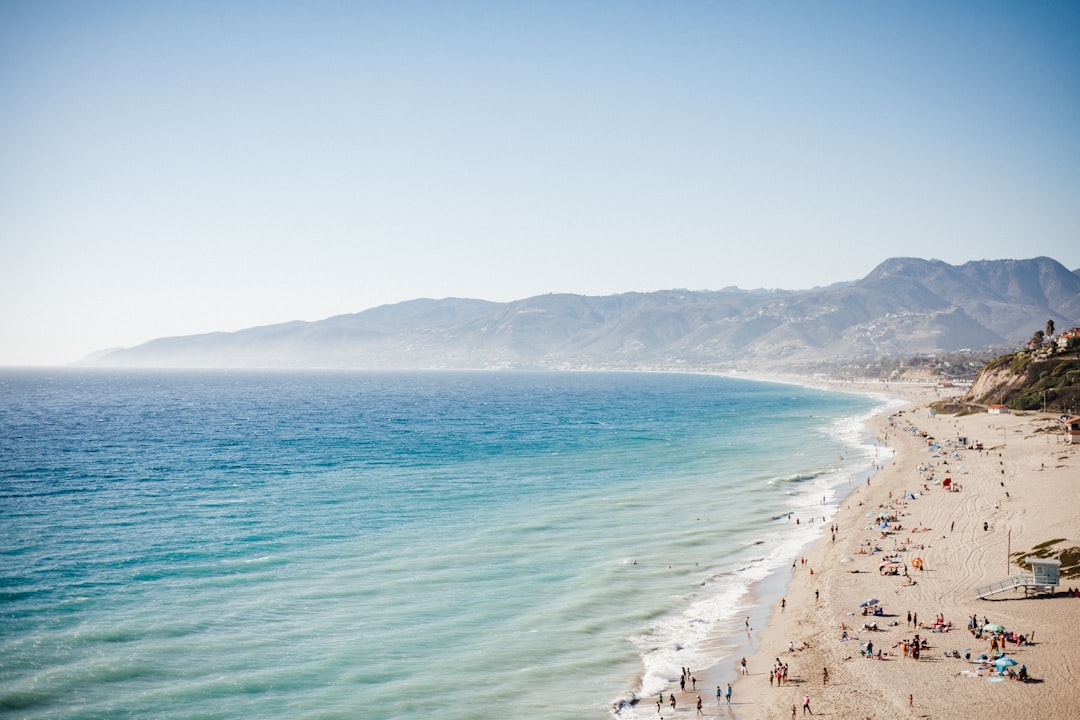
But the coast at Surfside early in the morning runs on a different physics. The crowd hasn't arrived yet. The rental chairs are still stacked. The only movement is a walker or two working the waterline, heads down, finding their pace. What happens to you in that quiet is hard to explain until you've been in it: your attention narrows to the immediate. The width of the sand. The color of the break. The way the pelicans fly in formation without apparently deciding to.
The beach at that hour isn't offering you an experience. It's just there — and you get to be there with it.
Surfside draws fewer visitors than Myrtle Beach proper, which is partly geography and partly reputation: a family-oriented stretch that doesn't try to be anything louder than it is. In the early morning, that restraint is the whole point. The town hasn't started yet. The coast is still running on its own schedule.
The Murrells Inlet MarshWalk operates on entirely different logic. By evening, it draws people toward it — not to stand at the edge of something and listen, but to settle into the rhythm of a place that's already moving.
The MarshWalk runs along the inlet's edge, a boardwalk lined with restaurants and bars that face the water. As the light flattens toward dusk, the crowd thickens — couples, friend groups, families finishing dinner before the walk home. Music carries from more than one direction. Conversation competes with it. The marsh itself is still out there doing what marshes do — herons, the slow pulse of tidal current, the smell of low water — but you're absorbing it from inside a social scene rather than from outside one.
This is the gathering version of the coast. The inlet narrows the view and concentrates the energy. People aren't walking to clear their heads; they're walking because the night is still open and the waterfront is where it's happening. What the MarshWalk does is let you be part of something without committing to a single seat.
The axis between these two isn't really geography — Surfside Beach and the MarshWalk at Murrells Inlet sit within a short drive of each other along the same general stretch of South Carolina coastline. The axis is time of day, and what time of day does to crowd composition, soundscape, and purpose.
In the morning, the beach self-selects for people who want something from the silence. Walkers. Readers. People who woke up early on purpose and drove to the water before the day made other demands. The crowd is sparse and tends to stay that way until midmorning, when the rental chairs start filling and the soundtrack shifts.
By evening, the energy has already arrived at the MarshWalk. The transition from afternoon to dusk is when the inlet hits its highest density — tables filling, the boardwalk thickening, the light doing its slow work over the water. It's not a place you go to find quiet. It's a place you go to find the end of the day held by other people doing the same thing.
Season shifts the pressure. In summer, the evening crowd at the MarshWalk builds earlier and runs later; the morning beach window at Surfside narrows as the heat arrives sooner. In the shoulder months, both experiences expand — mornings stay quiet longer, evenings clear out earlier, and the whole coast feels less contested.
The question isn't which is better. It's which version of yourself showed up on this trip.
If you're here to decompress — to let the water do something to your nervous system before the day has a chance to add to it — the morning beach is the mechanism. You don't need to plan much. You need to get there before the crowd does.
If you're here to close something out — to mark the end of a good day with the inlet and a drink and the light going flat over the marsh — the MarshWalk is where that happens. You're not looking for quiet. You're looking for the kind of gathering that feels earned.
Where (Surfside Beach): Surfside Beach is a town south of Myrtle Beach along the Grand Strand. Public beach access runs throughout the town across 36 access points. Check the Town of Surfside Beach's site for current parking locations and public access points: surfsidebeach.org
Where (Murrells Inlet MarshWalk): The MarshWalk is located at 4025 Hwy 17 Business in Murrells Inlet. Multiple restaurants line the boardwalk. Parking is available along Business 17 — a mix of street parking and paid lots; availability varies significantly by time of day and season.
Timing: The morning quiet at Surfside holds most reliably before the midmorning crowd arrives. The MarshWalk evening energy typically builds through the late afternoon and peaks around sunset. Both windows shift earlier in summer and compress faster during peak season — plan accordingly.
Seasonal note: Summer amplifies evening density at the MarshWalk and reduces the quiet window at Surfside in the morning. Shoulder season — spring and fall — historically extends both windows, with thinner crowds and more room to move at your own pace. Verify current conditions and any event-related access changes before visiting.
Lodging note: Guests who plan a full day — morning beach, afternoon at their own pace, evening on the MarshWalk — find they can structure the day without fighting evening traffic. Booking accommodations in surrounding communities opens up more space and quieter nights than the central strip.
Two versions of the same coastline. One before it wakes up; one after it's already running. The water doesn't change. The light doesn't change. What changes is who else is standing at the edge and what they came to find. That's the only question worth asking before you go.
Want to feature your business on the DirectStay Blog?
Want to feature your business on the DirectStay Blog?

Connect with travelers, share your space, and join a community of hosts earning together.