

 DirectStay
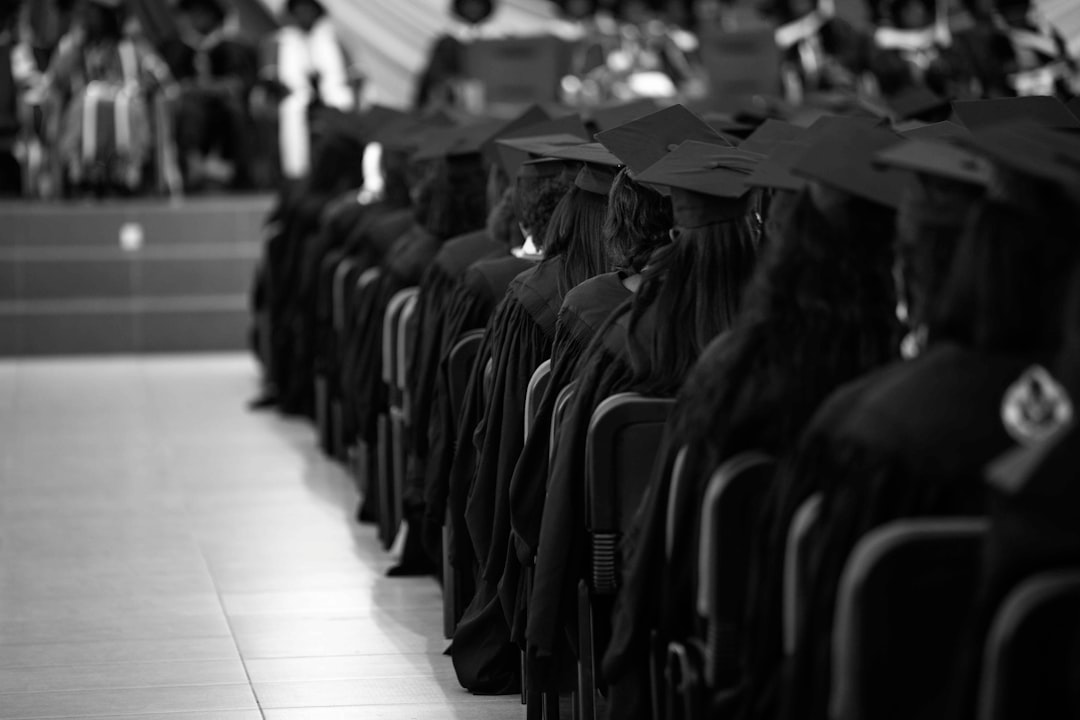
Graduation weekend at Coastal Carolina University asks one question before you ever check the ceremony schedule: how close do you need to be? Every May and December, families descend on Conway for commencement — the same Conway that sits quietly between the Waccamaw River and the 501 corridor the rest of the year. The campus transforms. Brooks Stadium fills. The HTC Center runs back-to-back recognition ceremonies. And the roads between Myrtle Beach and the university absorb a wave of traffic that has nothing to do with the beach. The families who've done this before know the real tension isn't the ceremony itself — it's the morning of. The drive from the coast that barely registers most days can stretch into something you feel in your shoulders when every other car is heading to the same campus entrance. But the families who plan around that pressure, who arrive before the wave builds and treat the whole day as a Conway day instead of a ceremony errand, tend to describe it differently: unhurried, grounded, like the day matched the occasion.
Conway is a small city. Coastal Carolina's enrollment sits above ten thousand, and spring commencement historically draws graduating classes of over sixteen hundred — plus the families, friends, and out-of-town guests who come with them. The university itself has estimated ten thousand or more guests for the main ceremony alone. That crowd compresses into a campus built along Highway 544 and University Boulevard, and the ripple reaches the surrounding corridors.
The University Commencement Ceremony — the campuswide celebration where degrees are formally conferred — has historically been held at Brooks Stadium, CCU's outdoor football venue. College Recognition Ceremonies, where graduates walk the stage individually by academic college, typically take place at the HTC Center. The ceremonies span multiple days, with the main event historically falling on a Thursday evening and college-specific ceremonies following on Friday and Saturday.
What this means for the town: Conway's roads absorb event traffic on top of regular commuter and tourist flow. Highway 501, the main artery between Myrtle Beach and Conway, already runs on notoriously long traffic light cycles. During commencement, the stretch from the coast to campus can slow considerably, especially in the hours leading up to ceremony start times. University Boulevard — the campus entrance off 501 — becomes the bottleneck.
The tension most families feel isn't about the ceremony. It's about the clock. Graduates are typically asked to arrive well before the event begins — historically an hour ahead for check-in and lineup. That means families need to be on campus even earlier if they want seats (first-come, first-served for the main ceremony at Brooks Stadium) or if they're navigating parking and shuttles for the first time.
Mornings carry the highest pressure. Everyone is driving the same direction at the same time, and the margin for error feels thin. A late departure from the beach means sitting in traffic with a rising pulse and a graduate texting from the lineup.
But evenings release differently. After the ceremony ends, the traffic disperses in every direction — some families head back to the coast, some go to dinner in Conway, some scatter to surrounding communities. The congestion that builds before the event dissolves unevenly, and the drive back to the beach is typically smoother than the drive in.
The pattern repeats across both spring and fall commencements, though spring ceremonies draw larger crowds due to the bigger graduating class.
The experienced approach isn't about shortcuts. It's about posture. Families who treat graduation as a full Conway day — not a ceremony sandwiched between beach plans — tend to move through the weekend with less friction.
That means arriving in Conway early. Not for the ceremony — for the town. Conway's downtown sits along the Waccamaw River, and the area between Main Street and the Riverwalk holds enough to fill a morning: coffee, a walk, time to settle. The campus is minutes away, and by arriving before the traffic wave builds, parking becomes a task instead of a crisis.
The other shift is mental. Graduation weekend near the Grand Strand overlaps with regular leisure traffic — families heading to the beach, golfers, early-season tourists. The road congestion isn't just commencement traffic. It's commencement traffic layered on top of a resort corridor that was already moving. Accounting for that overlap changes how tight you plan the schedule.
CCU's commencement structure spans multiple events across multiple days, and the logistics vary between them.
The University Commencement Ceremony is the large, campuswide event where degrees are formally conferred. It has historically been held at Brooks Stadium — the outdoor football venue with a capacity of approximately twenty thousand. Tickets are not typically required for this ceremony; seating has been first-come, first-served. The university enforces a clear bag policy, and umbrellas have historically not been permitted inside the stadium.
The College Recognition Ceremonies are smaller, college-specific events held at the HTC Center, CCU's indoor arena. These are where graduates hear their names called and cross the stage. Tickets are typically required, and each graduate has historically been allotted an initial number of guest tickets. Seating is first-come, first-served within the ticketed capacity.
The university runs shuttle service from campus parking lots to the venues, typically beginning well before ceremony start times. ADA-accessible parking and shuttles are available, with designated lots near both Brooks Stadium and the HTC Center.
Verify current ceremony dates, ticket policies, and parking maps at CCU's official commencement page — these details shift year to year: coastal.edu/commencement
Where: Coastal Carolina University, Conway, SC. The campus sits along Highway 544, accessed primarily via University Boulevard off U.S. 501. The visitor address directs to the Welcome Center at Bill Baxley Hall, 100 Chanticleer Drive East.
When: Commencement ceremonies are held each May and December. Spring ceremonies have historically spanned multiple days in early to mid-May. Fall ceremonies have historically been held on a single day in mid-December. Verify the current year's schedule at coastal.edu/commencement.
Getting there: U.S. 501 connects Myrtle Beach to Conway and runs directly past the campus. Traffic on this corridor is notoriously slow during peak hours — long traffic light cycles are the primary cause, not distance. Plan for variable drive times, especially in the hours before ceremony start times. The 501 Bypass can help avoid downtown Conway congestion for those approaching from certain directions.
Parking: The university designates specific lots for commencement events, with shuttle service to the venues. Graduates and guests park in different areas. Current parking maps and shuttle details are published on CCU's commencement page before each ceremony — check before you go: coastal.edu/commencement
Tickets: The University Commencement Ceremony has historically not required tickets. College Recognition Ceremonies at the HTC Center have historically required tickets, with a set number allotted per graduate. Verify the current year's ticket policy and distribution process at coastal.edu/commencement.
Weather contingency: The main ceremony at Brooks Stadium is outdoors. The university has historically published an inclement weather plan with a backup date. Come prepared for weather — rain gear is encouraged, but umbrellas have historically not been permitted inside the stadium. Check the commencement page for weather updates close to the event.
Lodging note: Commencement weekends increase lodging demand across the Conway and Myrtle Beach area, with the tightest compression closest to campus. Families staying in surrounding Grand Strand communities can plan the ceremony as a destination day — drive to Conway early, park once, spend the morning in town, and attend the ceremony without fighting last-minute traffic. The drive back to the coast after the event is typically smoother than the drive in. Booking lodging in advance opens up options with more space and quieter surroundings outside the immediate campus area.
Graduation weekend at Coastal Carolina isn't a ceremony — it's a corridor. The same stretch of 501 that carries beach traffic and golf carts and grocery runs suddenly carries something weightier: families marking a threshold. The ceremony itself is measured in hours. The planning around it — the early arrival, the parking, the weather check, the post-ceremony dinner — is what shapes whether the day feels rushed or earned. Conway has been absorbing these weekends for decades. The campus fills, the roads slow, the restaurants seat families still wearing lanyards. And by evening, the traffic releases, the corridors quiet, and the drive back to the coast feels like a decompression chamber. The question was never whether the day would be significant. It was whether you planned enough room for it to land.
Want to feature your business on the DirectStay Blog?
Want to feature your business on the DirectStay Blog?

Connect with travelers, share your space, and join a community of hosts earning together.