

 DirectStay

The Lubbock landscape reads as flat prairie until the road bends east of town and the ground falls away beneath you. That's Ransom Canyon — a residential lake community east of Downtown where the prairie cracks open into canyon walls and quiet water. Most people who hear "scenic drive in Lubbock" assume it's a stretch. They expect a longer haul, a different state, something that requires committing the day. It's a fair assumption — the city's reputation is flat horizon. Then the canyon edge appears in the windshield and the assumption rearranges. The drive holds two different evenings inside it. One is a quick pull-off — catch the light, take the photo, head back for dinner. The other is the version where you arrive early, settle in, and let the canyon set the pace until the sky goes orange. Same road. Different shape of night
Lubbock sits on the Llano Estacado — the Staked Plains, named for how unbroken the horizon runs. The plain stretches in every direction until something interrupts it. East of Downtown, the caprock breaks, and Ransom Canyon is what the break left behind: a pocket of canyon walls and lake water inside what every visitor expects to be more flat ground. The reset isn't that the canyon is enormous. It's that it exists at all, this close, this quietly. You drive twenty minutes from a downtown coffee shop and find a horizon that looks like somewhere else.
This is why the first-time visitor reaction tends to be physical — a small recalibration of where you thought you were. Locals know the road. Most travelers don't.
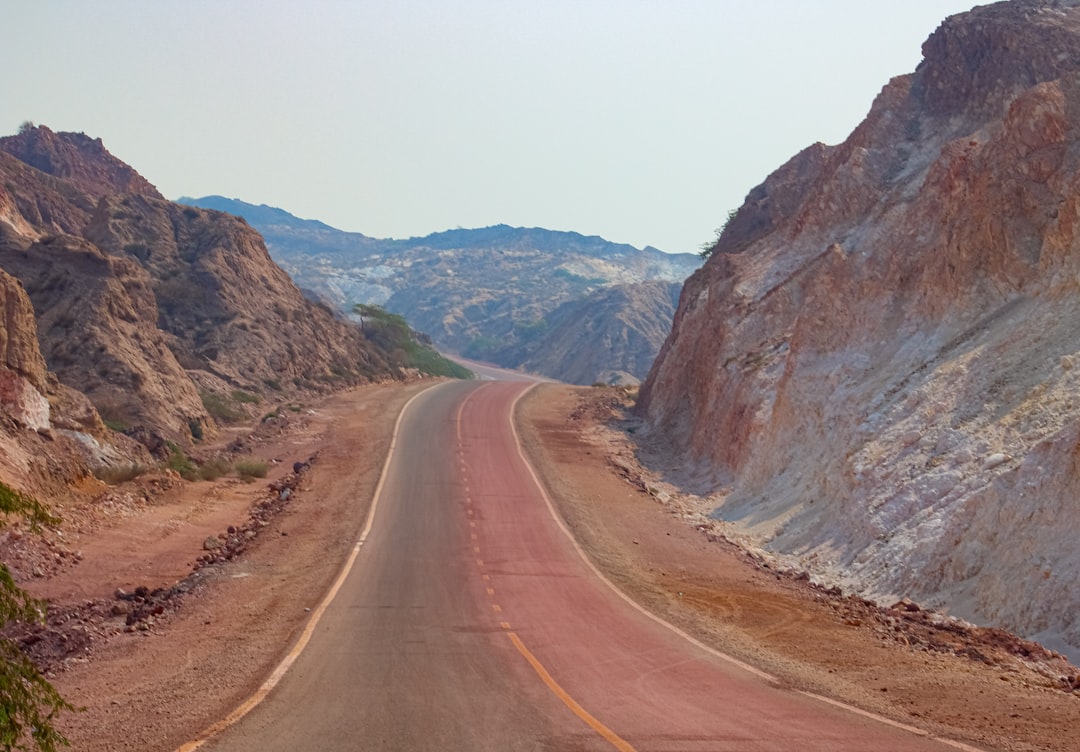
If the canyon is a stop on a longer day, the scenic drive along E County Rd 5600 does the work in a short window. The road runs along the canyon rim with pull-off viewpoints spaced where the geometry opens up — places to step out of the car, look down across the water, and catch what the light is doing. Late afternoon is when this hits hardest. The sun moves low and the canyon walls hold the warm color longer than the prairie behind you.
The pull-offs are the entire experience in this version. You're not hiking. You're not paying admission. You're using the road like a moving overlook and choosing where to pause. Photographers do well here in the last hour before sunset, when the wind that runs the High Plains all afternoon tends to settle. People who built their day around dinner downtown can fold this in on the way home — the canyon folds in cleanly without restructuring the night.
The other version is when the canyon stops being a stop and becomes the destination. You arrive earlier than you need to, you find the pull-off that catches the light you're after, and you stay through the part where the wind drops and the sky shifts from blue to the color that drains into pink and then orange behind the canyon edge. The lake at the center of Ransom Canyon holds enough water to mirror what's happening above it, and the residential community wraps around the rim quietly enough that most of what carries across the canyon at that hour is wind and bird sound.
This version asks for the hour bracketing sunset. You're not consuming an attraction. You're letting the place do what it does at its slowest pace. Bring water, bring a layer for after sundown, and pick the night the weather is clear — the canyon doesn't reveal itself the same way through haze.
Ransom Canyon is somebody's home. The canyon walls are public road access; the houses tucked into them are not. There's no commercial center, no public beach, no boat ramp for visitors. The lake is for residents. The drive and the pull-offs are for everyone — but they exist inside a neighborhood, not a park, and the difference shows in how you behave there. Stay on the road and at the marked viewpoints. Keep voices down at the pull-offs after dark. Don't drive private streets looking for a closer angle. The canyon stays accessible because visitors treat it like a quiet residential drive that happens to be beautiful, not like a free attraction.
Late afternoon is the consensus window. The canyon walls catch the late-afternoon light and hold the warm color longer than the prairie behind them. Earlier in the day works for cooler-temperature exploration but the wall colors are flatter. Sunrise is its own thing — the light arrives from the opposite side, and depending on the season the canyon mouth catches the first sun before the prairie does. The wind pattern matters more than the time of day in summer. Mid-afternoon brings the wind that moves the High Plains; the hour bracketing sunset is when it briefly calms. That window is the payoff window, and locals plan around it.
Where: Ransom Canyon, Texas — a residential lake community on E County Rd 5600, approximately 14 miles east of Downtown Lubbock. The drive from the Buddy Holly Statue area runs roughly twenty minutes in normal conditions.
Access: The scenic drive is public road. Pull-off viewpoints are along the canyon rim. There is no admission, no gate, no visitor center. There is also no public beach, no boat ramp open to non-residents, and no commercial facilities inside the canyon community.
Best timing: Late afternoon into sunset, historically, is the window most visitors plan around — the canyon walls hold warm light and the wind tends to settle in the hour before sundown. Spring and fall are the most consistently comfortable windows; midday summer is heat-limited on the High Plains. Verify current weather and any High Plains wind advisories before planning a sunset drive around it.
Drive time: Roughly twenty minutes from Downtown Lubbock. Distances on the High Plains feel shorter than they
look on a map; the road is open and the traffic is light outside of resident commutes.
Etiquette: This is a residential community, not a trailhead or a park. Stay on E County Rd 5600 and at established pull-offs. Avoid private streets, residents' driveways, and lake-edge access from non-public points. Keep noise low at pull-offs near homes, especially after dark.
Facilities: None inside the canyon. Plan for restroom and food stops in Lubbock before driving out. Bring water, especially in summer.
Photography note: Late-afternoon light on the canyon walls is the visual signature. The hour before sunset is also the calmest wind window, which matters for tripod work.
Ransom Canyon is a small residential community without commercial lodging inside it. Visitors planning to time the canyon for sunset typically build the day around Lubbock — late-afternoon drive out, sunset window at the canyon, return for evening downtown. Booking a Lubbock-area rental in advance opens up quieter, more spacious options outside the immediate downtown core, which makes the early-arrive, drive-out-late, return-to-rental rhythm work without compression. Treat the drive home from the canyon as part of the wind-down, not an obstacle.
Both versions of Ransom Canyon are real. The quick stop is enough to reset what you thought Lubbock looked like. The longer evening is what you do once you know the surprise is there. The choice isn't between a good visit and a better one — it's between the canyon as a punctuation mark on someone else's day and the canyon as the day itself. Either way, the drive home runs back across the prairie that hides what just opened up behind you, and you arrive in Lubbock looking at the city slightly differently than when you left it.
Want to feature your business on the DirectStay Blog?
Want to feature your business on the DirectStay Blog?

Connect with travelers, share your space, and join a community of hosts earning together.
Become a host