

 DirectStay

Most visitors to Indiana, Pennsylvania arrive expecting to drive between stops. That expectation comes from experience — rural Western Pennsylvania towns don’t usually hand you a walkable day. But Indiana’s downtown grid does something uncommon: it puts a museum, a university campus, an arena, a trailhead, and a corridor of independent restaurants on the same axis, close enough that a morning coffee and an afternoon ride can happen without unlocking the car. The grid runs along Philadelphia Street, cuts through campus, and reaches as far as Wayne Avenue before it asks for wheels again. It’s a compact zone — but inside it, the whole visit can unfold without a second parking decision. That’s unusual for a town this size, and it changes how the day works.
Philadelphia Street is the spine. The Jimmy Stewart Museum sits at 835 Philadelphia Street, roughly at the center of what locals consider downtown. From the museum’s front steps, the Indiana County Courthouse and its bronze Jimmy Stewart statue are a short walk away. The Indiana Theater — the historic movie house that still hosts screenings and live performances — sits along the same corridor. Artists Hand Gallery and Espresso Bar, Caffè Amadeus, Ninth Street Deli, Bruno’s Italian Restaurant, Josephine’s Pizzeria and Enoteca, Nap’s Cucina Mia — these all live along Philadelphia Street or just off it. They’re not clustered in one block. They’re spread across maybe a half-mile, which is the distance that makes a walk feel like a stroll instead of a commute.
The other direction heads south. This is where the grid does something unusual for a town this size: it crosses into a university campus without any visible transition.
IUP’s campus begins where downtown ends, and the line between them is effectively invisible. No gate. No visitor checkpoint. No change in sidewalk width or street character that announces you’ve left the borough and entered the university. Students walk to Philadelphia Street for dinner. Townspeople cut through campus as shortcuts. Sutton Hall, the Oak Grove, Stapleton Library — these sit within a few blocks of the dining corridor, reachable without crossing anything that feels like a boundary.
The Kovalchick Convention and Athletic Complex — the 5,000-seat arena that hosts basketball, concerts, youth sports tournaments, and commencement — sits along Wayne Avenue at the southern edge of campus. It’s still within walking range of downtown, though the distance starts to stretch. From the museum to the Kovalchick Complex, you’re looking at roughly a fifteen-minute walk. That’s the outer edge of the grid.
Wayne Avenue also connects to the Hoodlebug Trail — the flat rail trail that runs roughly ten miles south to Black Lick, where it connects to the Ghost Town Trail network. The trailhead sits close enough to the walkable core that a morning ride and an afternoon museum visit can share the same parking spot.
This is the part visitors underestimate. The Hoodlebug trailhead doesn’t feel like a destination you drive to. It feels like something the downtown grid simply reaches into. Levity Brewing sits steps from the trail. Noble Stein Brewing is on the same road. A rider can finish a ten-mile out-and-back, walk to a taproom, and still be within range of dinner on Philadelphia Street — all on foot, all from one car.
The walkable zone is real and valuable. It’s also small. Knowing where it ends saves the kind of frustration that turns a good day into a logistics scramble.
roughly two miles from downtown. Drivable in five minutes, not walkable in any practical sense. Natural surface trails, no sidewalk connection.
fifteen minutes east by car, in Penn Run. The lake, the beach, the trails — none of this is walkable from town. This is a separate day or a separate half-day that requires the car.
thirty minutes north. A working Amish village with twenty-plus family-run shops. Cash-only, closed Sundays. No walkable connection to Indiana whatsoever.
roughly thirty-five minutes south, off Route 22 near Armagh. The forty-five-foot waterfall with the walk-behind platform. Beautiful and worth the drive. But it is a drive.
eleven minutes south in Homer City. The craft distillery in the renovated grocery store. Cocktail bar opens after 4 PM, Wednesday through Saturday. Requires a car and a designated driver.
twenty-two minutes west in Blairsville. Open twenty-four hours, homemade pies since 1934. Not walkable from anything.
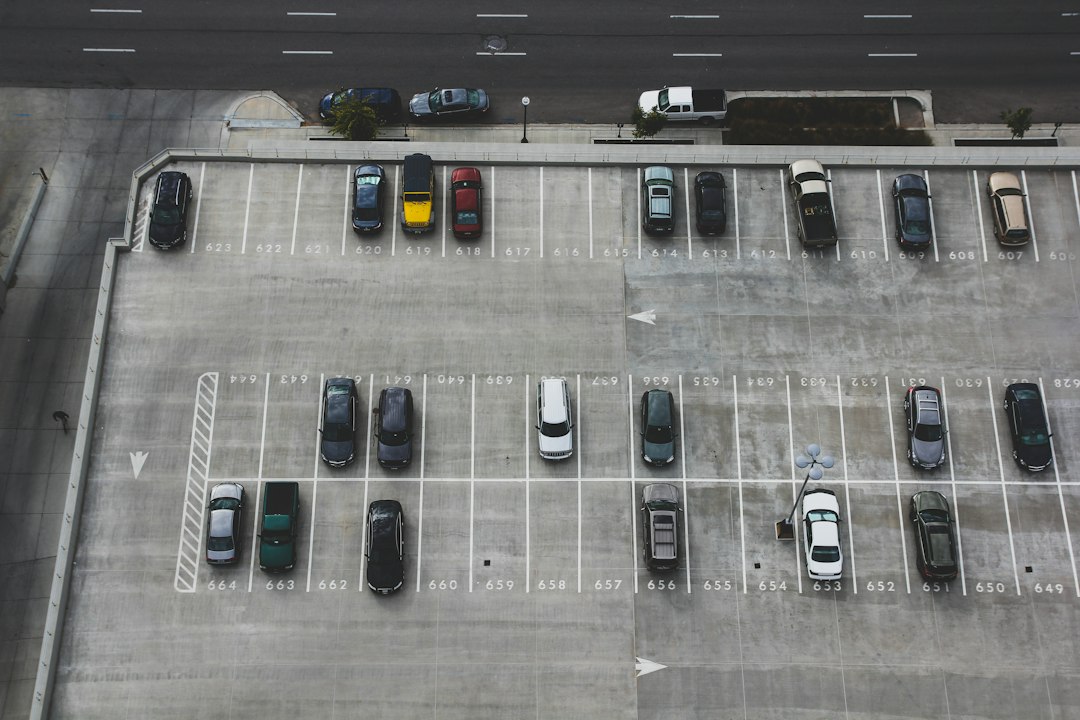
The pattern is clear: everything inside the downtown grid is one parking spot. Everything outside it is a separate trip.
The walkable core changes how a visit works — especially for groups. Graduation families, homecoming alumni, event attendees at the Kovalchick Complex — these travelers often arrive expecting to shuttle between stops. The downtown grid means they don’t have to.
The one-car day: Park along Philadelphia Street or in the nearby garage on Water Street. Walk to the museum in the morning. Cut through campus for a late-morning stroll. Grab lunch at one of the Philadelphia Street spots. Walk to the Hoodlebug trailhead for an afternoon ride. End at a brewery on Wayne Avenue. Walk back to the car for dinner.
The event-day version: Park once before a Kovalchick event — basketball game, concert, commencement. Walk to dinner beforehand on Philadelphia Street. Walk back for the event. Walk to a brewery afterward. Drive home.
The thing to watch: During graduation weekend and homecoming, street parking along Philadelphia Street fills early. The parking garage at 650 Water Street is the backstop. During non-event weekends, parking is open and easy — this is a small town, not a city.
The walkable core handles the cultural, culinary, and campus layers of a visit. It doesn’t handle the outdoor layer. Yellow Creek, White’s Woods, the Ghost Town Trail’s deeper stretches, Buttermilk Falls, Smicksburg — these require driving. A car is non-negotiable for everything outside the grid.
The grid also doesn’t solve evening transportation after drinking. Indiana County has no reliable ride-share service. Turbo Taxi and Red and White Taxi operate locally but require phone calls, not app requests. If the plan involves breweries or the distillery, the designated driver conversation needs to happen before the first pour.
The walkable core is what makes surrounding communities viable as a base. A guest staying outside the borough grid can drive in once, park, and spend the entire day on foot — museum, campus, dining, trail, brewery — then drive back after dinner without fighting for a second parking spot. Booking lodging in advance opens up quieter, more spacious options outside the immediate downtown.
Want to feature your business on the DirectStay Blog?
Want to feature your business on the DirectStay Blog?

Connect with travelers, share your space, and join a community of hosts earning together.
Become a host