

 DirectStay
Most people who say they went to the Rod Run never set foot inside the official show. They walked the Parkway sidewalk in the late afternoon sun, stopping every few steps because a candy-apple-red something pulled into a hotel lot and a crowd gathered around the hood. The actual event lives inside the LeConte Center — registered vehicles, swap meet tables, trophy categories — but the thing that takes over Pigeon Forge happens on the strip of asphalt outside. Lawn chairs appear along the sidewalks by Thursday morning. Engine noise carries past dinner. And for three days in April, the town's rhythm slows to the speed of a cruising muscle car, which is to say barely walking pace. If you came for the cars, you already knew that. If you didn't — and plenty of visitors land in Pigeon Forge that weekend without realizing what's happening — this is what changes and how to build your days around it.
The Pigeon Forge Rod Run is the area's largest automotive gathering, running twice a year — spring and fall — at the LeConte Center on Teaster Lane. The spring event has been a fixture since 1995, though the broader rod run tradition in this corridor stretches back to the 1970s, when informal car shows drew crowds to Gatlinburg. When those events ended in the early 1980s, a Maryville car club called Shades of the Past stepped in to fill the void, staging their first Pigeon Forge show in 1983. A thousand cars showed up to what they expected would draw three or four hundred. The event has been growing ever since.
Inside the LeConte Center, roughly a thousand registered vehicles compete for awards across dozens of categories. There's a swap meet where parts hunters search for components they've been tracking for years. There are vendors, cash prizes, and an awards ceremony that typically wraps the weekend on Saturday evening. But the LeConte Center is only half the picture — maybe less.
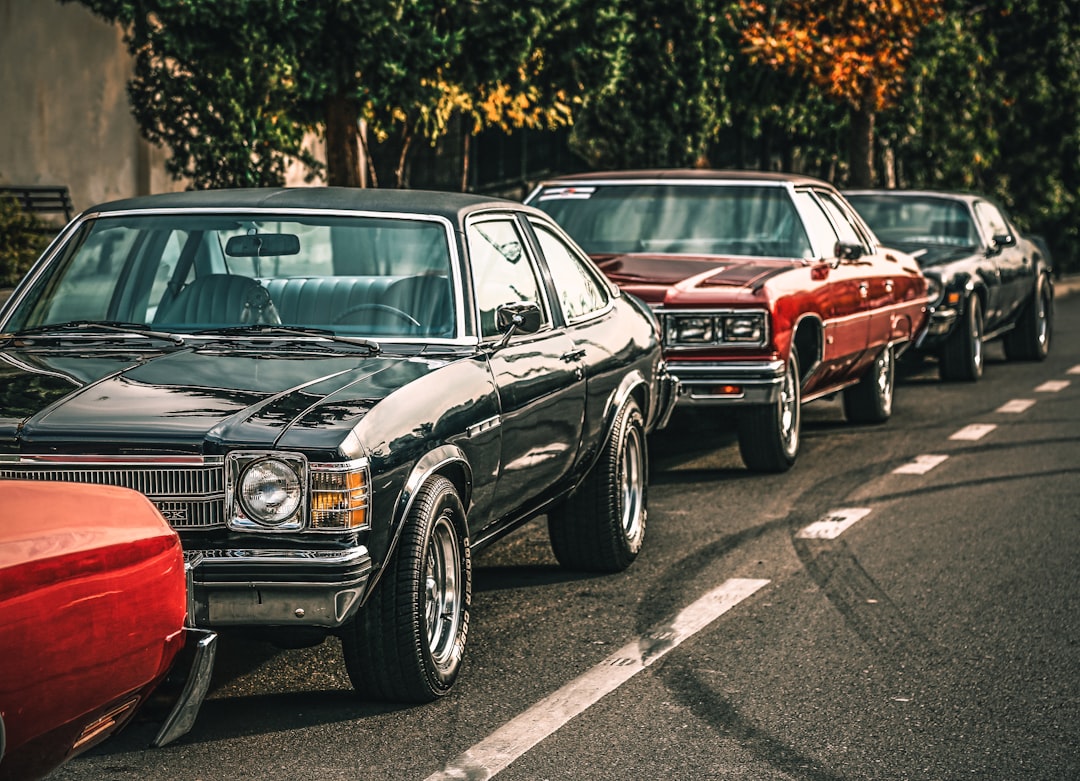
The Parkway itself becomes an unofficial rolling show. Classic cars, hot rods, and muscle cars cruise the strip bumper to bumper while spectators line the sidewalks and set up camp in parking lots. Some attendees never set foot inside the official event. They're here for the Parkway atmosphere — the rumble, the chrome, the slow-motion parade of restorations and customs that turns a five-mile commercial strip into something closer to an open-air museum.
Rod Run weekend is widely considered one of the busiest weekends of the year in Pigeon Forge. The Parkway — normally congested on a good day — slows to near-standstill in both directions. Police have described traffic spilling from the Parkway onto secondary and side roads. During recent events, the police department has deployed officers on twelve-hour shifts with assistance from the Blount County Sheriff's Office and Tennessee Highway Patrol.
The congestion isn't a surprise and it isn't a failure. It's the event. The Parkway becomes the venue, and moving through it at three miles per hour while engines growl past is the experience people came for. But if you're a visitor who didn't plan around the Rod Run, that same gridlock can turn a fifteen-minute drive into an hour-plus crawl.
What visitors misunderstand most: the traffic isn't just near the LeConte Center. It radiates. Restaurants fill earlier than usual. Parking lots that are normally half-empty turn over constantly. And the energy runs late — engines and crowds don't quiet down at sundown. The town has a different pulse all weekend.
The official show at the LeConte Center is worth seeing even if the Parkway spectacle is what drew you. Admission is available at the door. Show hours have historically run from morning through late afternoon Thursday through Saturday, with Saturday typically wrapping earlier than the other days. The registered vehicles inside tend to be the most carefully restored and customized — these are the cars that were trailered in, not driven, and their owners are often standing nearby, willing to talk about the build.
The Parkway show requires no ticket and no plan. Walk the sidewalk in either direction and you'll see hundreds of vehicles. Many spectators pick a stretch, set up lawn chairs, and stay put. Others walk the full length, treating the strip like a gallery with engine noise. Comfortable shoes matter more than you'd expect — the sidewalks are wide but the distances are real.
One recent change worth noting: a city ordinance now prohibits advertising vehicles for sale on state roads within city limits. Cars found in violation can be towed. The buy-sell culture that once defined Parkway shoulders during Rod Run has shifted, and the enforcement is active.
Here's the permission slip: you can be in Pigeon Forge during Rod Run weekend and have a perfectly good time without engaging with the car show at all. But you need to plan differently than you would on a normal April weekend.
The park is your pressure valve. The Great Smoky Mountains don't care about Rod Run traffic. A morning hike to a waterfall or a wildflower trail puts you above the congestion entirely, and by the time you come back down in the early afternoon, you've had a full morning while the Parkway was still warming up. April is one of the best months in the Smokies — spring ephemerals are blooming, temperatures sit in that comfortable range where you can hike in a t-shirt but the air still has an edge. Use the morning for the mountains, then decide how much Parkway energy you want in the afternoon.
Alternate routes exist. Teaster Lane runs parallel to the Parkway on the east side and carries lighter traffic. Veterans Boulevard and Ridge Road also provide bypasses. Locals know these corridors well and use them year-round, but during Rod Run weekend they become essential rather than convenient. If your lodging is off the Parkway — and many cabin and vacation rental guests in the surrounding communities are — you can largely avoid the core congestion by routing around it.
Restaurants near the Parkway fill faster than normal, especially for dinner. Eat early or eat late. Better yet, eat in Gatlinburg or Townsend, where the Rod Run footprint doesn't reach. Wears Valley, too, stays relatively calm and has its own dining scene that doesn't require fighting Parkway traffic.
The most satisfying Rod Run weekend — whether you're a car person or not — tends to follow a pattern: mornings in the park, evenings on the Parkway. The mountains are quieter before noon, parking at trailheads is easier, and the April air has that crisp quality that burns off by midday. The Rod Run atmosphere builds through the afternoon and peaks in the early evening, when the Parkway is at maximum cruise density and the light turns warm.
This isn't a compromise. It's what a lot of returning visitors actually do. They hike in the morning, clean up at their rental, and walk the strip after four o'clock. By then the cars are out in force, the lawn chairs are occupied, and the sidewalks have that slow, browsing energy where strangers talk to each other about engine blocks and paint jobs. You don't need to know anything about cars to appreciate the spectacle. But you do need to have already done the things that require driving, because driving is over for the day.
Rod Run is genuinely family-friendly. Kids tend to respond to the visual scale of it — the colors, the noise, the sheer number of vehicles — without needing any automotive knowledge. The LeConte Center show is an easy walk-through with younger children since the cars are stationary and the space is open. The Parkway sidewalk walk works for older kids who can handle distance on foot.
The noise is real, though. Engines rev, horns sound, and the ambient volume on the Parkway during peak hours is louder than a typical Pigeon Forge evening. For very young children or noise-sensitive travelers, the LeConte Center interior is more controlled than the open-air Parkway.
Strollers work on the sidewalks but not gracefully in thick crowds. If you're bringing one, go earlier in the day before the foot traffic peaks.
Pigeon Forge Spring Rod Run. Annual, typically held over three days in mid-April. Verify this year's dates at rodrun-pigeonforge.com or pigeonforge.com/pigeon-forge-car-shows.
LeConte Center at Pigeon Forge, 2986 Teaster Lane, Pigeon Forge, TN 37863. The unofficial Parkway show extends along the full length of US-441 through Pigeon Forge.
Show hours at the LeConte Center have historically run 9 AM–6 PM Thursday and Friday, 9 AM–5 PM Saturday. Verify current hours at the event website before planning.
Historically available at the door only — not sold online. Check the event website for current pricing and payment methods. The Parkway sidewalk experience is free.
Free spectator parking at the LeConte Center, though lots fill early on peak days. Along the Parkway, expect every lot to be in high demand. Arrive early or plan to walk from farther out.
Expect significant delays on the Parkway and surrounding roads from Thursday afternoon through Saturday evening. Alternate routes: Teaster Lane, Veterans Boulevard, Ridge Road. If you need to reach Gatlinburg, consider routing through Wears Valley or Townsend rather than fighting through Pigeon Forge.
The Smokies are fully open in April. Morning hikes before the Parkway congestion peaks make Rod Run weekend an ideal park-and-show combination. Wildflower season is typically underway. Check trail conditions at nps.gov/grsm.
Rod Run is one of the highest-demand weekends of the year in Pigeon Forge. Accommodations across the area book earlier than a normal April weekend. Guests staying in surrounding communities — Sevierville, Wears Valley, Townsend — can access both the park and the Parkway while staying outside the core congestion zone. Planning ahead opens up quieter, more spacious options with room to spread out.
Rod Run weekend doesn't ask you to pick a side. You can spend three days deep in automotive history, walking the Parkway until your feet ache and your phone is full of hood ornament close-ups. Or you can treat the whole thing as background texture — a reason the town hums differently while you hike wildflower trails and eat dinner somewhere off the beaten path. The event has been filling Pigeon Forge every April for decades, and the town knows how to hold it. Your only job is knowing it's happening and building your days around that knowledge. Everything else — the chrome, the noise, the slow parade of somebody's life's work rolling past at walking speed — is already in motion.
Want to feature your business on the DirectStay Blog?
Want to feature your business on the DirectStay Blog?

Connect with travelers, share your space, and join a community of hosts earning together.
Become a host