

 DirectStay
A farm-to-table dinner in the Brandywine Valley asks you to decide something before you sit down — and it has nothing to do with what's on the plate. At Terrain Café in Glen Mills, you walk through a garden retail space to reach the table, and by the time you're seated under the greenhouse ceiling, the room has already done half the work of the evening. The plants hanging above you aren't decorative — they're the restaurant's argument made visible before the menu arrives. Then there's the version of this meal where the setting steps back entirely. At Harvest Seasonal Grill, the chef changes the plate every quarter, the sourcing shifts with the season, and the room asks nothing of you except to pay attention to what arrives. That's a different kind of farm-to-table — one that earns the phrase by putting all its evidence on the plate.
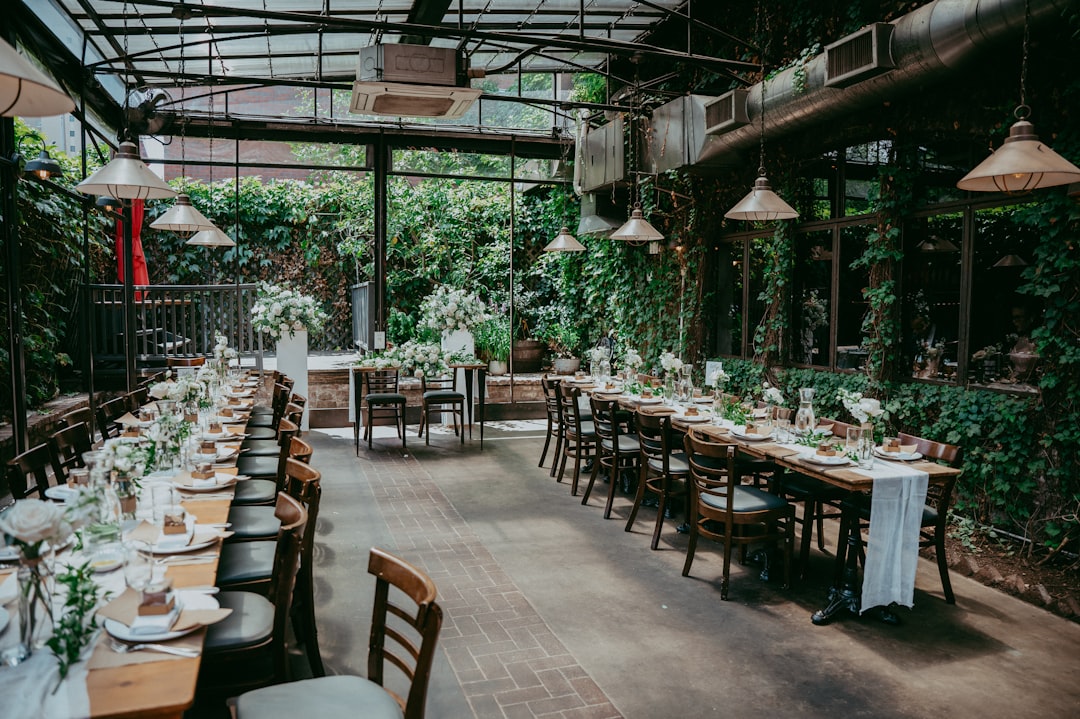
Terrain Café sits inside the Terrain retail space at Styer's in Glen Mills — a garden shop that wraps the restaurant in living inventory. The path to the dining room passes through the retail floor, and by the time you reach the host stand, you've already been absorbing an aesthetic.
That's the point. Terrain doesn't separate the shopping from the eating. The greenhouse dining room — hanging plants, natural light, the sense that the garden followed you to your seat — is the centerpiece of a retail environment where every surface is curated. The line between what you're eating and what you're sitting inside dissolves before the first course arrives.
The menu reads seasonal and local, built around the farm-to-table sourcing that defines the space. But the honest revelation about Terrain is that the food shares billing with the room. You're not just eating farm-to-table — you're sitting inside a built environment that makes the philosophy feel immersive. The garden isn't a backdrop. It's doing as much persuasion as the plate.
This works particularly well for the diner who wants the full evening to feel composed — where walking through, sitting down, and eating all belong to one continuous experience. The meal isn't interrupted by the setting. The setting is the meal's first course.
Harvest Seasonal Grill & Wine Bar sits nearby on Wilmington-West Chester Pike, and the contrast starts before you open the menu. Where Terrain builds an environment that does half the persuasion, Harvest lets the kitchen carry the weight.
What comes out of the kitchen rotates quarterly. Harvest's model is structural: the menu changes with the season, built around what the regional market is producing right now. What's available in spring looks different from what arrives in fall — not as garnish or accent, but as the organizing principle of the plate. The chef isn't decorating with seasonal ingredients. The seasonal ingredients are the architecture.
This creates a different experience than Terrain's. At Harvest, the room steps aside and the plate makes the argument. The quarterly rotation means repeat visits in different seasons produce genuinely different meals — the menu you encounter in January won't be the menu that greets you in July.
For the diner who cares more about what's on the plate than what's on the walls, Harvest rewards sustained attention. You'll spend less time photographing the room and more time noticing how a dish was constructed. The chef's hand is the thing you're paying for, and the room knows it.
Here's what most people assume about farm-to-table in the Brandywine Valley: the produce is the story. The local sourcing, the named farms, the seasonal rotation — that's what separates a farm-to-table restaurant from any other dinner.
They're not wrong. But what Terrain and Harvest expose is that local sourcing is the starting point, not the differentiator. Every serious restaurant in this corridor sources locally. The real question is what the restaurant does with that sourcing — whether it builds an environment around the philosophy or puts everything into the plate itself.
At Terrain, the garden-retail setting is doing philosophical work. By the time you sit down, you've already been persuaded that you're participating in something intentional. The food doesn't have to make that case alone because the room already made it for you. At Harvest, the plate carries the full argument. There's no greenhouse ceiling. No retail display to prime the experience. The quarterly rotation and the chef's sourcing decisions are the only evidence, and they arrive on a plate in front of you, unassisted.
Neither approach is performing. They're answering the same question — what does it mean to eat locally? — with different theories about where the persuasion should live.
Where (Terrain Café): 914 Baltimore Pike, Glen Mills, PA 19342. Inside the Terrain at Styer's retail complex.
Where (Harvest Seasonal Grill): 549 Wilmington-West Chester Pike, Glen Mills, PA 19342.
Reservations: Terrain typically fills for weekend dinner seatings — booking ahead is the move. Check availability and reserve through shopterrain.com. Harvest accommodates walk-ins more readily on weekdays, but weekend reservations are worth making in advance. Book through harvestseasonalgrill.com.
Parking: Verify current parking options at each location before visiting. Terrain sits within a retail complex; Harvest is on a commercial corridor. Neither is typically difficult to reach by car.
Dinner timing: If you're visiting Terrain, leave time to walk the retail space before dinner — arriving rushed defeats the point. At Harvest, the meal itself is the experience, so standard dinner arrival works.
Lodging note: Glen Mills sits in Delaware County, close enough to Kennett Square, Chadds Ford, and the broader Brandywine Valley corridor that guests staying in surrounding communities can build a full evening without doubling back. Booking lodging in advance opens up quieter, more spacious options outside the immediate area.
The garden and the plate. One builds a world around the food and invites you to inhabit it. The other clears the room and lets what arrives speak for itself. The farm-to-table dinner in the Brandywine Valley comes down to where you want the persuasion to live — in the setting that frames the meal, or in the chef's hand that built it. Either way, the ingredients traveled the same distance. What changed is what greeted you when they arrived.
Want to feature your business on the DirectStay Blog?
Want to feature your business on the DirectStay Blog?

Connect with travelers, share your space, and join a community of hosts earning together.
Become a host