

 DirectStay
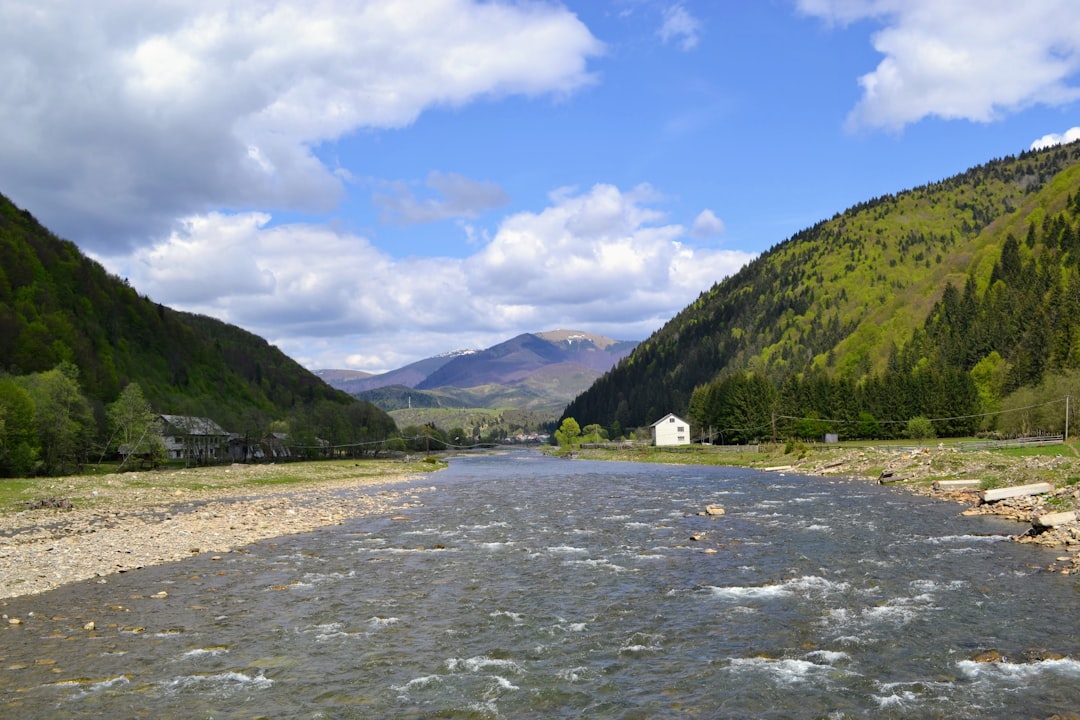
A day on the French Broad River through Asheville pivots on something most visitors skip: listening to the day before choosing the gear. The river runs the same stretch either way — past Carrier Park, through the River Arts District, under bridges where herons stand still and the Blue Ridge holds the skyline behind the tree line. But the day you bring to the water decides everything. There's the float, where a tube and the current do all the work and you drift for two or three hours with nothing to steer and nowhere to be.
And there's the paddle, where a kayak or canoe puts you in conversation with the river — reading the current, choosing your line, pulling into a calm eddy near Hominy Creek when the mood shifts. Same water. Same stretch. Completely different afternoon.
Some days announce themselves before you finish your coffee. The heat is already pressing by mid-morning. The group energy is low and grateful. Nobody wants a plan — they want permission to stop planning.
That's a float day.
The French Broad's urban stretch through Asheville is wide, slow, and forgiving. Tubing season runs roughly late spring through early fall, and the rhythm is simple: you get on the water, the current takes you, and the next two to three hours belong to the river. The city slides past at walking pace — Carrier Park on one bank, the old warehouses and studios of the River Arts District on the other. Brewery rooftops catch the sun. Bridges mark progress without demanding it.
A float strips the day down to temperature, current, and whoever you brought along. There's no wrong line to take. The river makes every decision for you, and on the right afternoon, that's exactly the point.
The people who love floating aren't lazy — they're reading the day correctly. When the heat index climbs and the group just wants to be in the water together, a tube is the sharpest tool available.
Other days arrive with a different charge. The air has some edge to it. The clouds are moving but the storms aren't close. Your body wants to do something — not perform, not train, but engage.
That's a paddle day.
A kayak or canoe on the same French Broad stretch turns the river from a conveyor belt into a conversation. You're reading the water — where the current bends, where eddies form near the banks, where a calm pocket opens up along Hominy Creek. The river asks questions a tube never hears. Which channel do you take around the island? Do you pull into the shade or push through the sun? When the breeze shifts, do you coast or dig in?
The French Broad is one of the oldest rivers in the world, and through Asheville it runs wide enough that even a first-time paddler can find their rhythm without white-knuckle moments. The urban sections are generally calm, though the pace and difficulty shift with water level and season. This isn't whitewater for most of the in-town stretch — it's moving water that rewards attention.
Paddling the French Broad near Carrier Park, you're close enough to the city to spot the greenway running along the bank, but quiet enough on the water that the distance feels real. The paddle earns that distance in a way the float receives.
But locals who use this river like a weekly tool frame the decision differently. They don't ask what do I want to do — they ask what is the day asking for? The temperature, the cloud cover, the group they're with, how their body feels after yesterday's hike. The river doesn't change. The question you bring to it does.
The mistake most visitors make isn't choosing the wrong activity — it's choosing before they check the conditions.
Heat decides. On a day that breaks ninety degrees by noon, a kayak paddle becomes a different kind of work. The float becomes the obvious instrument. But on a seventy-five-degree morning with cloud cover and a light breeze, the paddle earns everything the float gives away.
Water level decides. The French Broad responds to rain. After heavy storms, the river runs faster, muddier, and less predictable. What was a lazy float yesterday might carry more current than you expected today. Outfitters monitor conditions and will adjust or cancel — but if you're launching independently, checking the USGS river gauge before you go isn't optional. It's the single most important thing between a good day and a bad one.
Group energy decides. A bachelorette party and a couple looking for quiet don't belong in the same watercraft. Tubing absorbs group chaos — you can strap tubes together, bring a cooler, and let the afternoon be social. Paddling favors smaller groups, quieter intentions, and people who want to notice the heron standing in the shallows.
French Broad River — Urban Stretch
The section that flows through Asheville between the southern access points and the River Arts District is the stretch most visitors experience. Wide, generally calm during normal water levels, and surrounded by enough city infrastructure to feel accessible without feeling tamed. This is not backcountry paddling — it's a river that runs through a working city, and that proximity is part of what makes it work.
Carrier Park
On the east bank of the French Broad, Carrier Park is one of the most accessible points for getting near the river in Asheville. The park itself sits on a flat, open stretch with greenway connections and easy sight lines to the water. Several outfitters use this area as a launch or float-by zone. It's the section of river where the city and the water are closest to each other — joggers on the greenway, tubers in the current, the mountains behind everything.
Hominy Creek Access Points
Where Hominy Creek meets the French Broad, the water calms and the options open up. This confluence area is a known launch point for paddlers and tubers, with access to calmer sections of the river. The creek-side entries tend to be less crowded and slightly more protected, making them a natural choice for paddlers who want to ease into the current rather than launch into the main channel.
Season: Tubing and paddling season runs roughly late May through early September, depending on conditions. Some outfitters extend into fall for paddling. Always confirm seasonal availability before planning.
Outfitters: Multiple outfitters operate along the French Broad through Asheville, offering tube rentals, kayak rentals, shuttle services, and guided trips. Outfitter availability, launch points, and pricing shift year to year — especially post-Hurricane Helene, as some locations and access points have changed. Check current outfitter listings through ExploreAsheville.com or the French Broad Paddle Trail before booking.
River Conditions: Always check the USGS river gauge for the French Broad before launching. Water levels change rapidly after rain. Outfitters monitor conditions and will cancel trips when the river isn't safe — independent launchers need to do the same homework.
Safety: PFDs (personal flotation devices) are required for children under 13 on North Carolina waterways and strongly recommended for everyone. Footwear with a heel strap is required by most outfitters. The French Broad's urban stretch is generally calm, but moving water always demands basic awareness — current, obstacles, and weather changes.
Parking & Access: Parking varies by access point and outfitter. Carrier Park has its own lot. Hominy Creek access points have limited roadside or lot parking. Most outfitters provide shuttle service between launch and takeout. Weekend parking fills early during peak season — arrive ahead of your reservation time.
What to Bring: Sunscreen, water, shoes that can get wet, and a change of clothes for after. If tubing, a waterproof bag or cooler float for anything you don't want soaked. If paddling, a dry bag for phone and keys. Leave glass at home — it's prohibited on the river.
Post-Helene Note: Hurricane Helene (2024) affected some river access points and outfitter locations along the French Broad. Cleanup and restoration efforts are ongoing through organizations like MountainTrue and RiverLink. Some access points that were available in previous years may be temporarily closed or modified. Always verify current conditions before your trip.
The French Broad doesn't care which you choose. It runs the same stretch past the same parks, under the same bridges, beside the same mountains regardless of whether you're drifting or digging in. The question isn't which activity is better — it's which one the day is already asking for. Listen to the heat, the clouds, the group beside you, and the way your body feels that morning. The river has been answering this question for longer than Asheville has existed. It just needs you to show up ready to hear it.
Want to feature your business on the DirectStay Blog?
Want to feature your business on the DirectStay Blog?

Connect with travelers, share your space, and join a community of hosts earning together.