

 DirectStay

Most first-time visitors to Chattanooga arrive with the same mental model they bring to every other mid-size Southern city: park once at the rental, then drive to each thing. It's not wrong so much as mismatched to what downtown Chattanooga actually rewards. The core is compact, genuinely walkable, and wired with a transit option most visitors don't notice until someone points it out. Meanwhile, the rest of the region — the part of the trip that sells the place on Pinterest — sits on a ridge or across a state line and still requires wheels. What I tell guests on their first evening is this: the trip has two modes, and the car isn't a constant. It's a tool you pick up on certain days and leave parked on others. Getting that sorted before day one is the single biggest orientation I can give.
The stretch most visitors actually want to experience — Tennessee Aquarium at the north end, the Bluff View Art District, the Walnut Street Bridge crossing to the North Shore, Frazier Avenue, and the Chattanooga Choo Choo area at the south end of Market Street — fits inside a walking radius that feels generous but is not physically large. The Walnut Street Bridge itself, a 2,376-foot pedestrian span built in 1890 and one of the longest pedestrian bridges in the world, connects the downtown side to Coolidge Park and the North Shore on foot, without a car in the equation at all. From a downtown rental, most guests find they can reach the aquarium, the bridge, the riverwalk, and Frazier Avenue without ever touching a steering wheel.
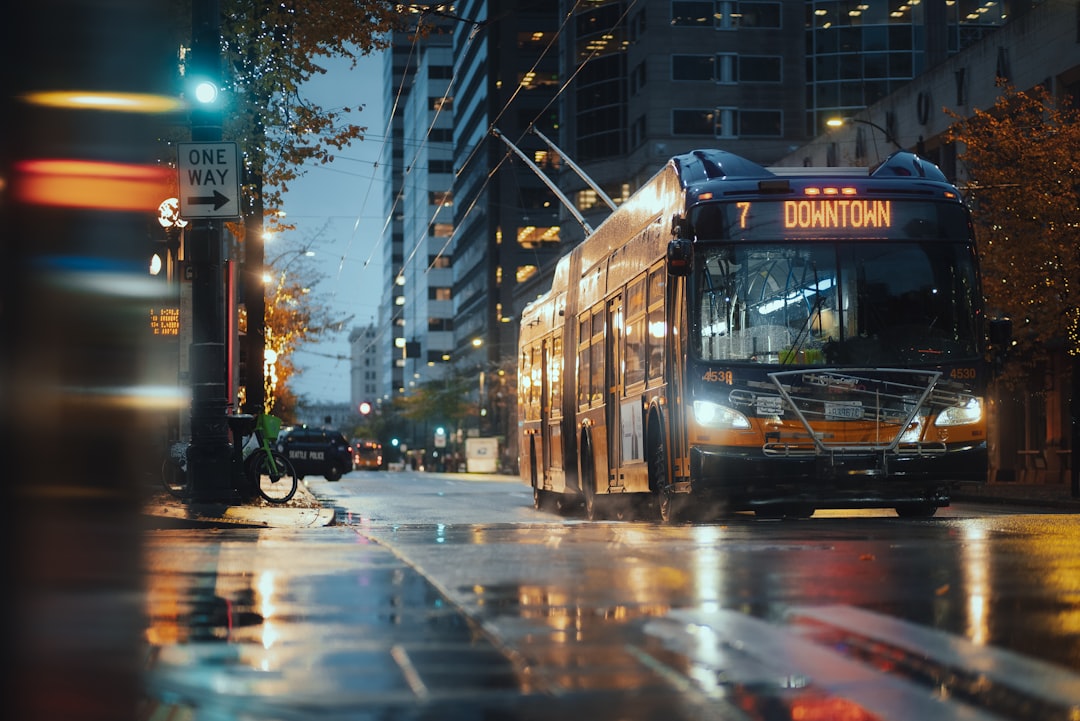
The part that surprises people is how much of that walking isn't actually required. CARTA's Downtown Electric Shuttle runs free, daily, connecting the Chattanooga Choo Choo on Market Street to the Tennessee Aquarium on Broad Street, with stops every block in between. The shuttle is electric, wheelchair accessible, and has been running since 1992 — so if feet get tired, or the afternoon heat lands harder than expected, stepping onto the shuttle at whichever block you're nearest is the solution. There's no fare, no app, no route puzzle. You wave it down or wait at a stop. That's it.
The value of the shuttle isn't that it replaces walking. Downtown Chattanooga is pleasant to walk. The value is that it erases the parking question. Visitors who drive downtown for a meal or a museum visit end up in the same circular search for a garage, then the same mental math about how many blocks they're willing to walk from wherever they landed, then the same watch-checking about the parking meter. On foot from a downtown rental with the shuttle as a backstop, none of that math runs. You leave the rental, you arrive at the thing, you leave the thing, you come back. The logistical overhead collapses.
The 13-mile Tennessee Riverwalk along the south bank of the Tennessee River adds another layer of this same effect for anyone who wants to move farther on their own power. From downtown stays, the Riverwalk gets you to Ross's Landing, the Hunter Museum bluff, and beyond without needing to think about where the car ends up.
Here is where the carless-trip idea breaks down, and where I've watched guests get frustrated if they planned around the wrong assumption.
Anything on Lookout Mountain. Ruby Falls, Rock City, Point Park, the Incline Railway at St. Elmo — these sit up the ridge, spread across the Tennessee–Georgia line, and connect to downtown by Scenic Highway and a climb that rideshare will quote at meaningfully more than the in-town fare you've gotten used to. Walking is not an option. Rideshare works but stacks up quickly if you're doing a full Lookout Mountain day.
Chickamauga Battlefield, Cloudland Canyon, Reflection Riding. The Civil War landscapes south across the Georgia line and the state park day trips are car trips, not rideshare trips. Distances are real, and cell coverage at Cloudland can drop to nothing depending on carrier and location inside the park — not a place to rely on a rideshare pickup.
Anything on the Volkswagen-plant side of town. If the trip involves Enterprise South, the Ooltewah direction, or any reason to be east of downtown for work or errands, the carless model stops making sense. That's a commuter trip, not a downtown trip.
The version of this trip that I've watched succeed most consistently splits cleanly. Day one is carless. Guests check in, walk to dinner, walk the bridge at dusk, take the shuttle back if feet are done. It de-escalates the arrival day, and it orients the trip around the downtown core without the driving-and-parking tax. Day two and beyond is where the car earns its keep — Lookout Mountain morning, battlefield afternoon, a state park day trip, or a Southside brewery evening where the walk back to a downtown rental (or a Choo Choo-area shuttle pickup) covers the return.
What I don't recommend is the reverse. Trying to drive everywhere downtown on day one usually produces the worst first impression the city can give: the parking hunt, the garage confusion, the sense that a compact place is somehow harder than it should be. That's the version of the trip where guests leave thinking Chattanooga is fine rather than thinking Chattanooga is special. The city is genuinely well-suited to a carless opener. It's worth using the tool.
CARTA Downtown Electric Shuttle: Free. Runs daily from the Chattanooga Choo Choo (1400 Market Street) to the Tennessee Aquarium (1 Broad Street), with stops every block. Buses run about every 10 minutes. Monday–Friday 6:30 a.m.–11 p.m., Saturday 9:30 a.m.–11 p.m., Sunday 9:30 a.m.–8:30 p.m. All buses wheelchair accessible. [NEEDS VERIFICATION for current trip: CARTA has announced a new spring schedule beginning Sunday, May 10 — confirm current hours at gocarta.org before travel if your trip falls on or after that date. The shuttle does not run on New Year's Day, Thanksgiving, or Christmas, and runs on a holiday schedule for MLK Jr. Day, Memorial Day, Independence Day, and Labor Day.]
Walnut Street Bridge: Pedestrian-only. Connects downtown to Coolidge Park and the North Shore. 2,376 feet long — plan roughly 10–15 minutes to cross at a walking pace.
Rideshare pricing reality: Budget more than you think for any trip up Lookout Mountain or out to Cloudland Canyon. These are not in-town fares.
When a car becomes essential: Lookout Mountain attractions, Chickamauga Battlefield, Cloudland Canyon, Reflection Riding, Enterprise South / Volkswagen-area trips.
High-surge weekends to plan around: Riverbend (early June), Ironman, Chattanooga Marathon weekend, Moon River, college graduation weekends. Walking beats rideshare math on these dates.
If you're staying downtown, plan a carless first day. Use the shuttle as the shock absorber when the walking gets long. Then pick up the keys for the Lookout Mountain day, the battlefield day, and anything that crosses a state line. That's the split. It's the single orientation that changes the shape of a first Chattanooga trip more than any restaurant recommendation I can give.
Want to feature your business on the DirectStay Blog?
Want to feature your business on the DirectStay Blog?

Connect with travelers, share your space, and join a community of hosts earning together.
Become a host