

 DirectStay
Most travelers picture the Brandywine Valley at a single moment — the one they saw on someone else's feed. A tulip corridor at Longwood in late April. The outdoor conservatory wrapped in light strings in December. That image becomes the trip, and the trip becomes a calendar problem: when are we going?
But the valley doesn't hold still between photographs. The same twelve-mile corridor between Wilmington and Kennett Square reshapes itself four times a year, and each version asks something different of the people who visit. Spring bloom and Longwood Christmas pull the heaviest attention and the deepest crowds. Fall foliage and the February conservatory pull almost none. The question isn't which season is best — it's what kind of trip you're actually building, because the valley gives you a different region depending on when you show up.
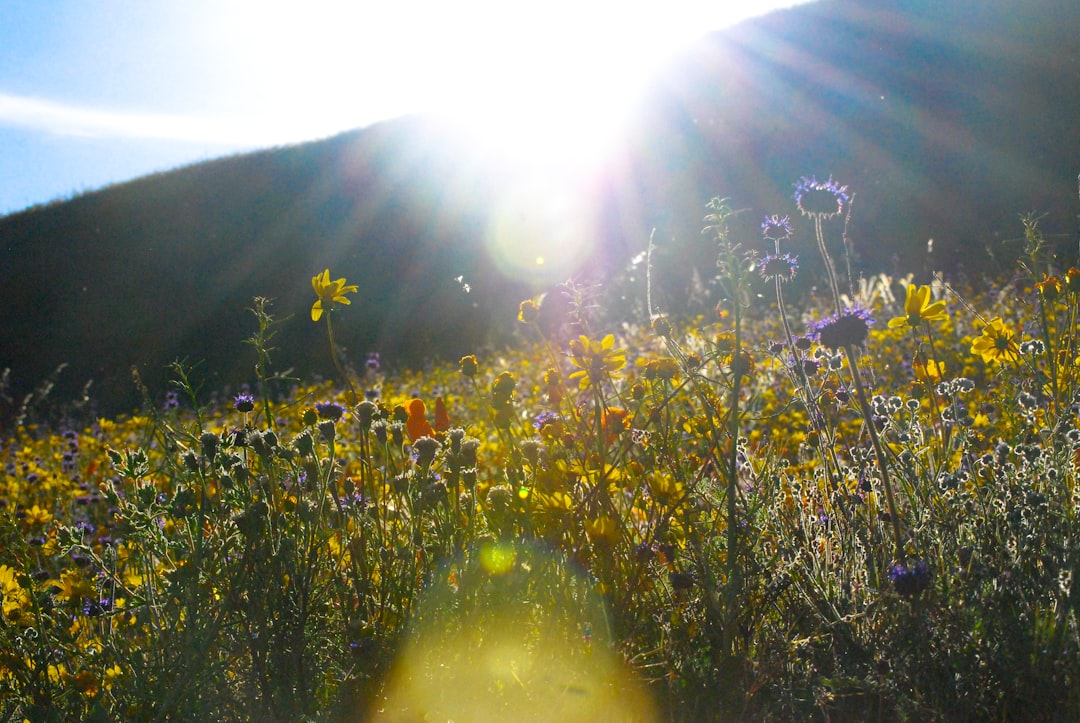
Spring bloom at Longwood Gardens runs from late March through early May. Tulip fields fill the outdoor beds by mid-spring, and Winterthur's azalea woods hit their stride in mid-to-late April. This is the valley's most-photographed season, and also its most compressed. Accommodations in the Kennett Square area during peak bloom typically require advance planning — two to three weeks ahead is a common rhythm, and popular weekends tighten faster.
The Kennett Square Mushroom Festival, held annually in September, creates a different kind of compression. A single weekend drives the highest concentrated demand spike of the year. Accommodations in the immediate Kennett Square area often fill well in advance — four to six weeks ahead is not unusual, and the demand pressure reaches into Wilmington.
Then there's Longwood Christmas. The display runs from roughly November into January, and the ticketing rhythm matters more than the calendar window. Saturday evenings sell first. Weekday evenings and Sunday afternoons tend to hold availability longer. Guests who arrive assuming they can walk in without a ticket at Longwood during Christmas — or without checking availability at Mt. Cuba Center, which limits daily capacity — find the gate closed more often than they expect.
The pattern is consistent: the most-photographed moments are also the highest-friction moments. Every peak carries a planning cost.
The Brandywine Valley's fall foliage window peaks around late October. Brandywine Creek State Park, the estate grounds along Route 52, and the Scenic Byway corridor all produce strong color. Equestrian season has wound down by then. The crowds have thinned. The restaurants seat you faster.
February and March are the valley's true off-peak — and they're not empty. Longwood's indoor conservatory programming runs year-round, which means the glass houses are filled with botanical displays even when the outdoor beds are dormant. Local restaurants operate at their most reservable. Wilmington's performing arts season is in full swing. The valley doesn't shut down in winter; it just stops competing with itself for your attention.
The difference between peak and shoulder isn't quality. It's tempo. Peak season gives you spectacle, event energy, the sense that the whole corridor is performing at once. Shoulder season gives you access — to the same estates, the same landscapes, the same kitchens — without the planning overhead that peak demands.
🏠 HOST INSIGHT OPPORTUNITY:
"What's the thing you've learned from living here that took you years to figure out?"
✅ IF HOST PROVIDES WISDOM:
"But the insight that took me years to figure out is [HOST INPUT HERE]."
⬇️ ALTERNATE (if no host wisdom):
"But hosts who've watched hundreds of guest trips unfold have noticed a pattern: the guests who come back tend to come back in a different season — not because the first trip disappointed, but because someone mentioned what February looks like, or what the mushroom festival does to the town, and they realized they'd only seen one version of the valley."
The decision isn't about weather. It's about what kind of trip you're building.
If you want bloom spectacle — the tulip corridors, the azalea woods, the sense that everything is in its most photographed state — you're planning for late March through May, and you're planning ahead. Tickets and accommodations both tighten. The reward is the valley at its most vivid.
If you want harvest energy and the one-weekend intensity of the Mushroom Festival — the food vendors, the crowds, the town fully given over to a single subject — you're looking at September, and you're booking the accommodations well before the event.
If you want holiday magic without Saturday-night ticket friction — Longwood Christmas on a weekday evening or a Sunday afternoon. January, after the holiday rush subsides, is when the West Conservatory earns a dedicated visit with fewer bodies between you and the displays.
If you want quiet depth — fall foliage along the Brandywine with no timed-entry pressure, or a winter weekend where the conservatory is yours and the restaurants have your name on a Tuesday — that's late October through March, and the planning overhead drops to nearly zero.
The valley doesn't have a bad season. It has four different valleys wearing the same address.
Seasonal patterns: Spring Blooms at Longwood (late March–early May), Winterthur azalea bloom (mid-April–May), Mushroom Festival (September — verify this year's dates at the Kennett Square Mushroom Festival website), A Longwood Christmas (late November–early January), fall foliage (late October). These windows have held structurally for years, but confirm current-year dates before building your trip around them.
Tickets: Longwood Gardens uses timed-entry admission, especially during Spring Blooms and A Longwood Christmas. Mt. Cuba Center sells tickets with limited daily capacity (open April through mid-November). Winterthur does not currently require timed tickets for general admission, but guided tours and special events may require advance booking. Check each property's official site before assuming walk-in access.
Accommodations: Peak weekends during bloom, the Mushroom Festival, and Longwood Christmas compress availability across the Kennett Square and Wilmington corridor. Advance booking — two to six weeks depending on the event — is the consistent pattern. Shoulder-season stays carry less planning friction.
Lodging note: Demand compresses during peak events. Guests who plan accommodations first — before ticketing, before dinner reservations — build the rest of the trip on stable ground.
The tulip fields and the Christmas lights are earned by planning ahead. The fall color and the winter conservatory are earned by showing up when nobody told you to. The Brandywine Valley doesn't ask you to choose the right season — it asks you to choose the trip you actually want, and then match the calendar to it.
Want to feature your business on the DirectStay Blog?
Want to feature your business on the DirectStay Blog?

Connect with travelers, share your space, and join a community of hosts earning together.
Become a host