

 DirectStay
Water recreation on the Brandywine comes down to one question — and it has nothing to do with what you packed. The creek corridor that threads through Chadds Ford, curls past Wilmington, and empties into the Christina runs deep enough to paddle and shallow enough to wade, sometimes within the same mile. At Brandywine Creek State Park, the access is structured: a canoe launch, marked put-ins, the kind of entry point where someone hands you a map and points downstream. Then there's the version where the creek belongs to whoever finds it first — the pull-offs along Creek Road where anglers in waders stand knee-deep at dawn, where summer tubing happens without a ticket booth, where a swimming hole earns its reputation by not appearing on any official list. The Brandywine doesn't ask you to choose between adventure and ease. It asks whether you want your water day organized or discovered.
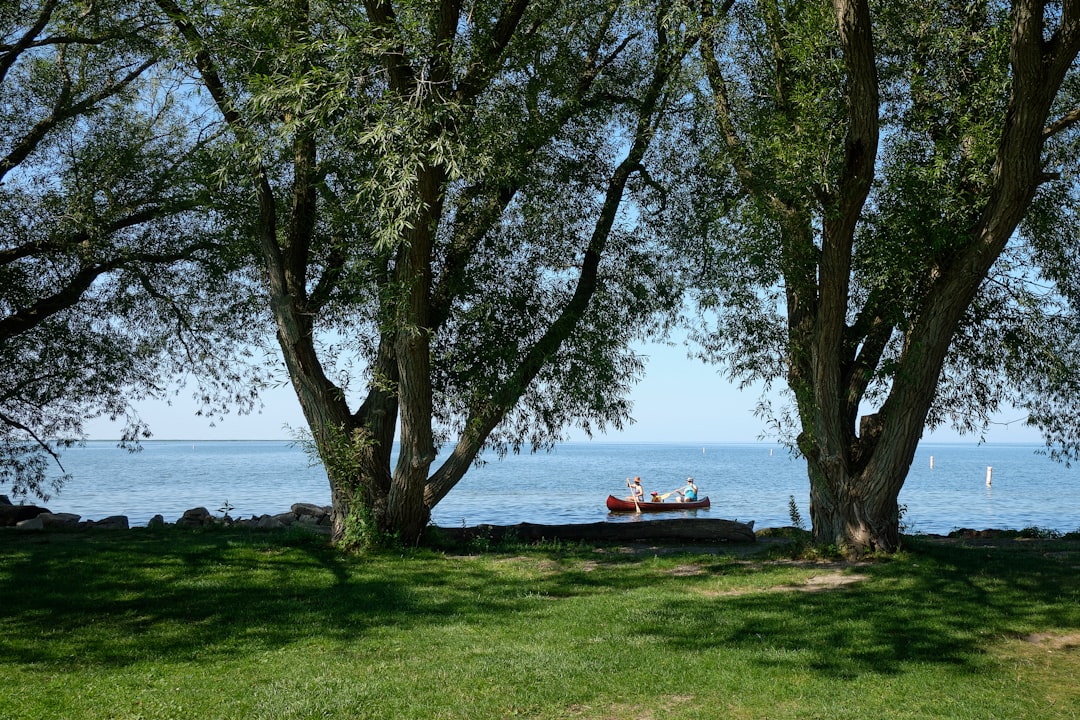
The state park's Thompson's Bridge area is where the creek becomes a managed experience. The launch site sits where the Brandywine widens enough to hold a steady current without demanding technical skill — the kind of water that lets a tandem canoe drift while the person in the bow stops paddling to watch a heron lift off the bank.
Kayakers and canoeists launching here get defined access: established parking, a put-in that doesn't require scrambling down a muddy embankment, and a stretch of creek that moves at a pace comfortable for families and first-timers. The surrounding hardwood canopy closes overhead in summer, turning the water corridor into a green tunnel where the temperature drops and the sound changes — less road noise, more riffle and birdsong.
This is the Brandywine that works for groups. If you're coordinating four kayaks and a cooler, if you need a place where everyone can park and nobody gets lost finding the water, the state park launch is the filter. The creek here is wide, the current forgiving, and the logistics solved before you touch the water.
Creek Road — the scenic corridor that follows the Brandywine through the PA side of the valley — is a different relationship with the same water. There's no visitor center. No kiosk. The pull-offs appear between stone walls and farmland, and the people who use them know them the way locals know anything worth protecting: by repetition, not by signage.
Wade fishing here is the primary draw. The Brandywine's main stem holds a smallmouth bass population that keeps anglers coming back through the warmer months, and Wilson's Run — a tributary within the state park boundary — draws trout fishers when seasonal stocking aligns with cooler water temperatures. The fishing isn't guided. It's a pair of waders, a rod, and the willingness to read the water yourself.
Summer tubing on this stretch is an informal tradition. The creek's depth and current vary with rainfall, and the access points are the kind that get passed along by word of mouth rather than posted on a tourism website. When the water level cooperates, the float is slow enough to be social and long enough to feel like a real afternoon on the water.
Swimming holes along Creek Road follow the same unwritten logic. They exist. Locals know where the deeper pools form after the creek bends. The banks are rocks and roots, not sand. The water is creek-cold even in August. Nobody charges admission.
The guided-versus-discovered split isn't about quality — it's about tolerance for ambiguity.
The state park side works when you need the answer before you arrive. Where do I park? Where do I launch? Is this safe for a ten-year-old? Those questions have answers at Brandywine Creek State Park, and the answers are good ones.
The Creek Road side works when the question is the point. You're looking for water, you have time, and you'd rather find something than be directed to it. The swimming hole nobody mentioned, the bend where the bass are holding, the stretch of creek where you don't see another person for an hour.
Families with younger children tend to filter toward the state park. Anglers and repeat visitors tend to filter toward Creek Road. Groups split the difference — launching organized from the park, then coming back another day to explore the pull-offs on their own.
The Brandywine isn't a lake you drive to and sit beside. It's a corridor — past the battlefield at Chadds Ford, under bridges that predate the highway system, alongside estates and farmland that have used its water for centuries. Getting into the creek, rather than looking at it from a trail, changes the relationship. The valley looks different from water level. The scale shifts. The banks rise.
The same creek serves the kayaker who wants a morning float, the angler who wants a pre-dawn wade, the family that wants a tubing afternoon, and the swimmer who just wants cold water on a hot day. The entry point changes. The creek doesn't.
Brandywine Creek State Park launch area: Thompson's Bridge, off Thompson's Bridge Road (Route 92), north of Wilmington, DE. Parking at Thompson's Bridge requires a fee (March through November). Check current access and launch conditions at the Delaware State Parks website before heading out.
Creek Road access: Follows the Brandywine through Chadds Ford and the PA side of the valley. Pull-off access points are informal — no facilities, no restrooms, no marked launches. Respect private property boundaries and posted signage.
Wilson's Run: Tributary within Brandywine Creek State Park. Seasonal trout stocking (rainbow and brown trout, including trophy-sized fish); check Delaware Division of Fish and Wildlife stocking schedules for current dates. A Delaware fishing license and trout stamp are required.
Kayak and canoe rentals: Seasonal outfitters operate in the Brandywine corridor — availability and operators change year to year. Search current-season rental options before planning, and confirm launch-site compatibility with your rental provider.
Tubing: Informal and weather-dependent. Creek depth and current vary with recent rainfall. No lifeguards, no formal access. Use judgment on water conditions, especially after storms.
What to bring: Water shoes are non-negotiable on the rocky creek bottom. Sunscreen, water, and a dry bag if you're paddling. Waders for fishing. A towel you don't care about for swimming holes.
Lodging note: Summer weekends draw heavier use to the creek corridor. Planning your water day early — arriving before mid-morning — opens access to the quieter stretches and the better parking. Building a full day around the creek rather than treating it as a single stop lets the pace of the water set the pace of the afternoon.
The Brandywine has been filtering visitors since before anyone called it recreation. The Lenape fished it. The mills used it. The du Ponts built beside it. The painters painted it. And now the creek still sorts people the same way it always has — by whether they want to be shown where to go or whether they'd rather find out for themselves. The water doesn't care which you choose. It runs the same direction either way. The question is just how much of the finding you want to do on your own.
Want to feature your business on the DirectStay Blog?
Want to feature your business on the DirectStay Blog?

Connect with travelers, share your space, and join a community of hosts earning together.
Become a host