

 DirectStay
The question at Biltmore Blooms isn't whether the gardens are worth the trip — it's whether you're chasing the single week the tulips hit full saturation or letting the season find you on its own schedule. Most visitors aim for peak. They follow the estate's bloom updates, cross-reference the forecast, and try to land the weekend when the Walled Garden looks like someone repainted it between Thursday and Saturday. When they time it right, they walk into something that stops conversation — rows so dense with color the air itself feels heavier.
But the weeks surrounding peak carry their own case, and it's one most visitors never hear because they already committed to the headline act. Early spring is a quieter unfolding, where yesterday's bare stems hold new color by morning. Late shoulder weeks hand you the same grounds with enough space to stop, look down, and notice what's shifting at soil level — the part the crowds walk right past.
There's a reason people plan entire trips around mid-April at Biltmore. The Walled Garden in full tulip bloom is one of those rare things that looks exactly like the photos — and then somehow more. Tens of thousands of tulips arranged in patterned beds of purple, pink, white, orange, and yellow, all reaching peak at roughly the same window. The Approach Road fills with flowering dogwoods and redbuds. The forsythia in the Spring Garden burns bright enough to pull your eye from across the grounds. Everything aligns at once, and for a few days the estate feels like it was designed to be seen at exactly this moment.
Which, in a sense, it was. Frederick Law Olmsted — the same mind behind Central Park — planned these grounds as his final project, and the spring bloom progression is deliberate. The peak isn't accidental. It was engineered over a century ago.
But peak-chasing comes with its own physics. The estate draws heavier foot traffic during those mid-April weekends. The walk from the parking lots to the gardens fills with strollers, tripods, and groups moving at photo-stop pace. Midday, the internal estate roads can back up. If you've driven in expecting a contemplative stroll through the gardens, you may spend the first hour adjusting to the density instead.
And here's the part the bloom forecasts don't tell you: peak tulip week isn't the only peak. It's just the loudest one.
The shoulder weeks don't just replace peak — they stack. And the richest windows are the ones where the garden stops handing off one bloom to the next and starts holding several at once.
Mid-April is peak tulip week. It's not necessarily peak garden week. Those are two different visits.
Late April — before the final days of the month — is the convergence most visitors never see. Late tulip varieties still fill the Walled Garden, the Estate Entry, and the Winery beds. Wisteria drapes the pergola near the Shrub Garden. Azaleas begin opening across fifteen acres of hillside. Three headliners sharing the same stage at the same time — and fewer people in the frame than the week before. If there's a window where you get the tulips and the rest of the estate waking up around them, this is it.
Then comes the transition most visitors don't know about. In the very last days of April, Biltmore's garden staff replants the Walled Garden beds — the tulips come out and poppies, snapdragons, and pansies go in. By early May, the tulips are gone.
What replaces them isn't lesser. It's broader. The first week of May is when the estate carries more simultaneous bloom than at any other point in the season. The Azalea Garden hits its crescendo — a stretch of hillside that runs over fifteen acres deep in color. Mountain laurels and rhododendrons line the Approach Road. Peonies and irises take over the Walled Garden beds. The Rose Garden begins its own quiet opening. The paths are emptier. The estate is fuller. But if tulips are what you came for, this window won't have them.
Late May belongs to the roses — and to the people who planned around flexibility rather than forecasts.
Most people frame spring at Biltmore as a single event with a single peak. They ask: When is the best week to go?
Locals who visit the estate like a seasonal habit tend to frame it differently: it's not one peak — it's a rolling sequence, and the windows overlap. Late April still has tulips in the Walled Garden and wisteria on the pergola and early azaleas across the hillside — three headliners at once, with half the crowd. By early May the tulips are gone, but the estate is carrying more simultaneous bloom than at any other point in the season. The question isn't when is peak. It's which peak are you after."
There's a second layer to the timing decision that has nothing to do with blooms and everything to do with the room you have to experience them.
Weekend visits during spring — particularly around Easter, spring break weeks, and peak tulip weekends — carry the highest density. Biltmore has offered weekday pricing incentives during high-demand periods — the kind of signal worth reading. And the estate's own visitor guidance consistently encourages arriving early and visiting on weekdays for a more spacious experience.
A Tuesday in early April and a Saturday in mid-April are two fundamentally different visits to the same place. One gives you the Walled Garden with elbow room and the sound of birdsong. The other gives you peak color with a soundtrack of strollers and shutters. Neither is wrong. But they're not interchangeable.
One built around the single week when the tulips align and the Walled Garden earns every photo taken of it — and the energy of sharing that moment with a crowd that came for exactly that reason. The other built around the weeks the calendar doesn't highlight. Late April, when late tulips still hold the Walled Garden and wisteria and azaleas join them — three things at once, half the density.
Early May, when the tulips are gone but the estate is carrying more bloom across more acreage than at any other point in the season, and the paths are quiet enough to hear it. Most people ask when is peak week. The better question is which peak — the tulip peak that photographs like nothing else, the late-April convergence where you still get tulips alongside everything waking up around them, or the early-May fullness where the estate blooms more broadly than any single species can match. Biltmore doesn't bloom once and stop. It layers. The only question is which layer you came for. And that, more than any forecast, is the decision worth making before you drive in.
Event: Spring at Biltmore (commonly called Biltmore Blooms). Annual, typically running from late March through late May. The bloom season has historically begun around the spring equinox and continued into the third week of May. Verify this year's exact dates at biltmore.com/things-to-do/events/spring-at-biltmore/.
Bloom tracking: Biltmore publishes a Bloom Report updated throughout the season. Bookmark it before planning your week: biltmore.com/visit/biltmore-estate/gardens-grounds/bloom-report/. The report shows what's currently open across the gardens and is the closest thing to a real-time forecast.
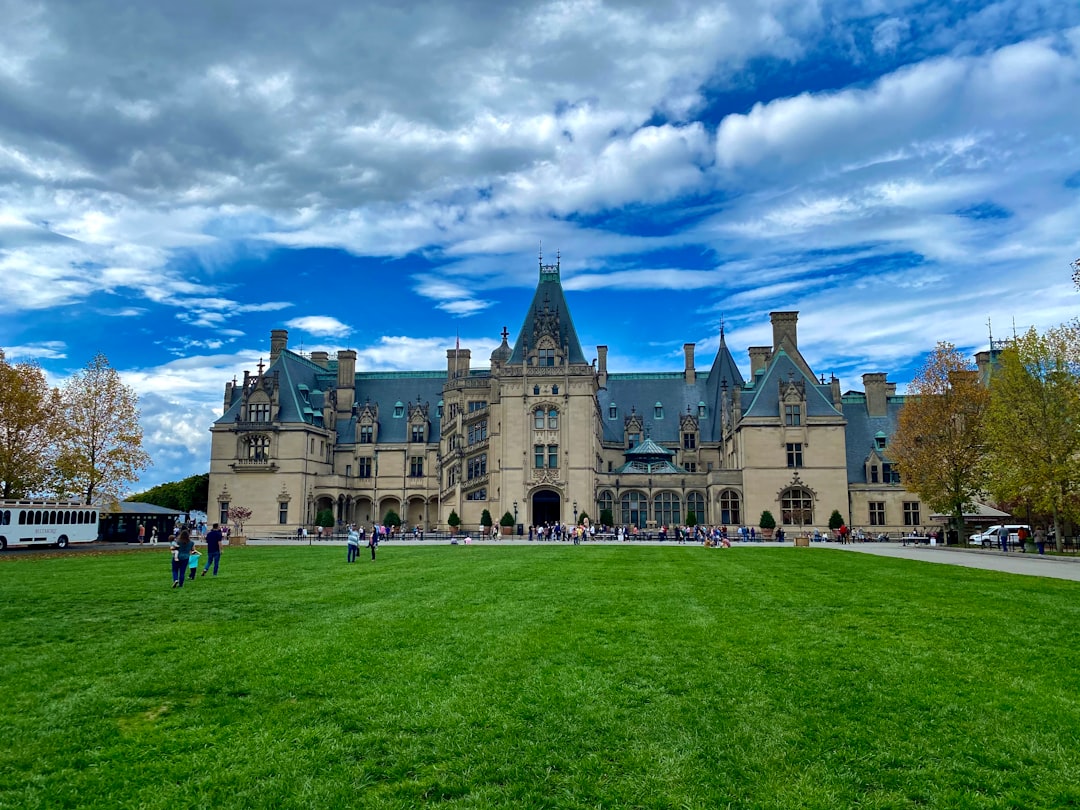
Where: Biltmore Estate, 1 Lodge St, Asheville, NC 28803. The estate spans three zones — Biltmore House & Gardens, Antler Hill Village & Winery, and Deerpark — connected by internal roads. The gardens sit adjacent to Biltmore House. The Walled Garden (primary tulip display) is accessible by foot from the house or via a complimentary garden shuttle that typically runs April through December.
Admission: Required for all guests. Pricing varies by date and ticket type, and Biltmore adjusts rates seasonally. Purchasing tickets in advance — particularly seven or more days ahead — has historically offered savings. Current pricing, ticket types, and availability at biltmore.com. The estate does not accept cash.
Parking: Included with admission. Multiple lots serve the House and Gardens area (Lots A and B are walking distance; Lots C, D, and E connect via complimentary shuttle). Garden-specific parking near the Conservatory is available but limited, especially during peak spring weeks. Arriving early — particularly before mid-morning — typically avoids the heaviest lot congestion.
Getting around the estate: The estate is large. Walking between the House area and Antler Hill Village is not practical — the distance is roughly three miles by road with no sidewalks. Biltmore recommends arriving in your own vehicle. A paid shuttle service (Biltmore Connect) runs between key estate zones. For current shuttle details and pricing: biltmore.com/help-center/transportation/.
Rideshare: Available, but drop-off and pick-up are restricted to the designated rideshare lane at the Park & Ride Building (79 Old Shiloh Rd). This is not estate-wide transportation — it's access point only. Arriving by personal vehicle gives significantly more flexibility.
Time commitment: Plan for at least a full day. The gardens alone can absorb several hours during spring, and Antler Hill Village, the Winery, and the house tour each add layers. Biltmore recommends two full days for a complete experience.
Pets: Leashed dogs are welcome on the grounds and in the gardens. They are not permitted inside buildings. Free, first-come-first-served outdoor kennels are available near the house for guests touring indoors.
New for 2026 — Luminere: An evening light and sound experience on the grounds, running on select nights beginning in late March and continuing into fall. Some ticket types include both daytime and evening access. Verify current Luminere scheduling and ticket options at biltmore.com.
Lodging note: Spring is Biltmore's highest-demand season. Accommodations across the Asheville area fill earlier than a typical weekend, particularly during peak bloom and Easter. Guests who plan ahead and book lodging in surrounding communities open up quieter, more spacious options — and the drive in becomes part of the morning, not an obstacle. Arrive early, park once, and build a full day on the estate.
Want to feature your business on the DirectStay Blog?
Want to feature your business on the DirectStay Blog?

Connect with travelers, share your space, and join a community of hosts earning together.