

 DirectStay
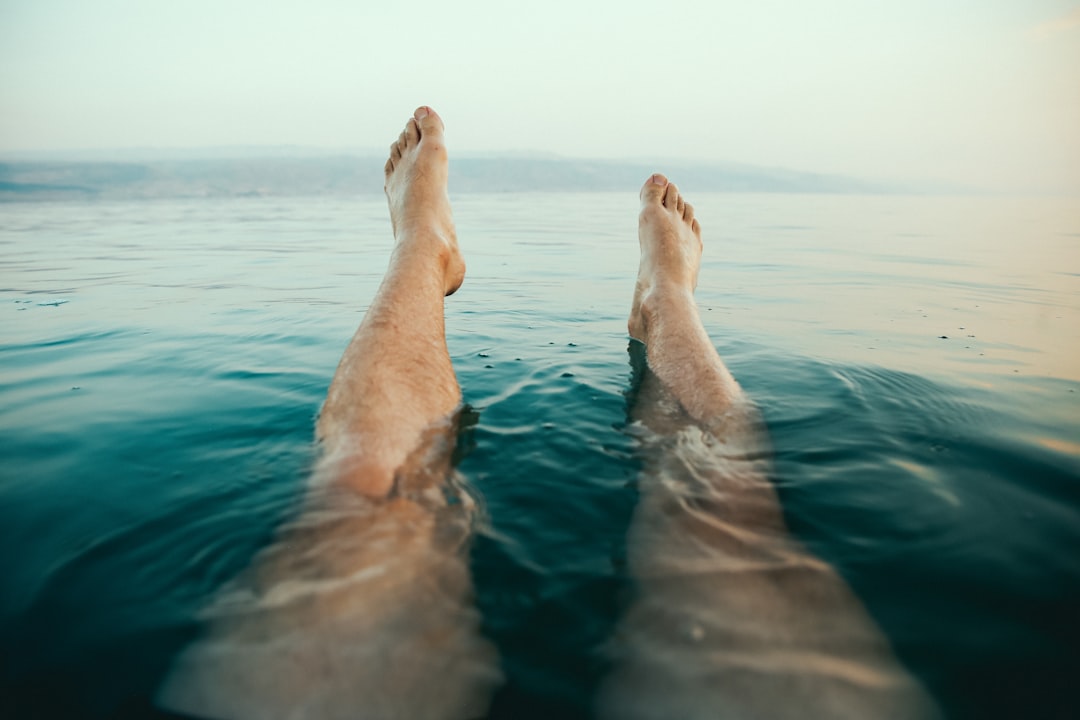
The French Broad River through Asheville doesn't ask you to conquer it. It asks what kind of day you're carrying. Some mornings you show up and the heat has already decided—the river is flat, the current is lazy, and the only honest move is to sink into a tube near Carrier Park and let the water do the thinking. Your shoulders drop before you clear the first bend. Conversation thins out. Someone laughs about nothing. The afternoon stretches in a direction clocks don't measure.
Then there are days when the air has an edge to it—cloud cover, a little wind, something restless in the group—and sitting still sounds like a punishment. That's when the paddle matters. A kayak or canoe launched from one of the calmer access points along Hominy Creek changes the river from something that carries you to something you move through—quieter banks, fewer people, a tempo that belongs to whoever's holding the paddle.
Why the float isn't lazy. It's a specific kind of surrender.
Carrier Park sits along the urban stretch of the French Broad, and the access there is about as frictionless as river time gets. No scrambling down embankments. No guessing where to put in. You're on the water quickly, and once you are, the city sounds thin out faster than you'd expect.
What tubing this section does well is strip away the need to decide anything. The current sets the pace. Your group drifts together or apart depending on the river's mood, not yours. Heat is the accelerant—the days when the pavement radiates and shade feels like a favor are the days the float earns its keep. You come out of the water not rested exactly, but emptied of whatever tension you carried in.
The float rewards groups who don't need a plan. Families where the kids are old enough to hold their own tube. Friends who'd rather talk than exert. Couples who came to Asheville wound tight and need the river to unknot something.
The paddle asks more. It gives back differently.
Hominy Creek's access points sit along calmer water where the current cooperates instead of dictates. The banks narrow. The noise drops. You hear the paddle before you hear anything else, and that rhythm becomes the point—not a byproduct, but the actual experience.
A kayak on this stretch turns the river into something you read. You notice the water's mood—where it pushes, where it rests, where a riffle tells you the bottom has changed. Your arms set the clock. You stop when you want, not when the current delivers you. The effort isn't punishing; it's clarifying. Something about pulling yourself through water resets the body in a way floating past it never quite does.
This side of the river fits the person who woke up curious, adventurous, and explorative. The one who tried sitting on the cabin porch with coffee and lasted ten minutes. The solo traveler who processes by moving, or the pair that talks better when their hands are busy.
Most visitors frame this as a preference question: do I like tubing or kayaking? Locals who use this river regularly frame it differently—they check conditions first and let the answer arrive.
But the thing most visitors don't account for is that the river changes personality with the weather. A morning that looks perfect for floating can turn choppy by early afternoon if storms rolled through upstream the night before. Locals check water levels the way they check traffic—it's not caution, it's just how you use the river well.
Cloud cover, wind, overnight rain upstream, the size of your group, how your body actually feels that morning—all of it matters more than what you planned the night before. The French Broad is readable if you pay attention. Flat water and high heat say float. A breeze and energy in your legs say paddle. Trying to force the wrong day onto the wrong activity is how people end up frustrated on a river that was trying to tell them something.
Two ways to spend the same afternoon on the same water. One lets the river carry you until the heat breaks and the tension you packed dissolves somewhere between Carrier Park and the take-out. The other puts a paddle in your hands and turns the current into a conversation—your pace, your stops, your rhythm against the water's.
The French Broad doesn't care which you choose. It just asks that you listen to the day before you decide.
Access — Float: Carrier Park is the most common put-in for the urban float stretch.
Arrive earlier on weekends; the parking situation tightens as the morning warms up.
Access — Paddle: Hominy Creek access points serve calmer water suited to kayaks and canoes.
Shuttle logistics: Most float trips require a shuttle or a second vehicle at the take-out point. Seasonal outfitters along the urban stretch typically handle this, but availability shifts year to year—confirm before you commit to a plan. Confirm which outfitters are currently operating for the 2025–2026 season. OR DIY if you're in a group and plan to leave a car or two down river then carpool to the launch site!
Water levels and safety: The French Broad is a real river, not a theme park. Water levels change with upstream rainfall, sometimes overnight. Check conditions the morning of, not the night before.
French Broad Paddle Trail — Flows & Gauges page (frenchbroadpaddle.com/en/flows-gauges)
This is run by MountainTrue and pulls USGS data but adds ratings (Low / Good / High) based on local paddler and outfitter experience. It's the most user-friendly version for someone who doesn't know what CFS numbers mean.
USGS direct (waterdata.usgs.gov) — Raw data, more technical, but real-time.
French Broad Outfitters lists a high water cutoff for float trips and rentals at 3,000 CFS Frenchbroadoutfitters
MountainTrue's French Broad Riverkeeper does weekly water quality monitoring (E. coli levels) from late May through early September, posted on Fridays via the Swim Guide app. That's more about "is it safe to be in this water" than flow levels, but it's relevant for tubers and swimmers.
Weather window: Summer heat drives the float. Spring and fall favor paddling when temperatures are cooler and the water is less crowded. Storms upstream affect conditions hours before you see weather locally.
What to secure: Anything you bring on the water should be in a dry bag or tethered. The river doesn't return what it takes.
Want to feature your business on the DirectStay Blog?
Want to feature your business on the DirectStay Blog?

Connect with travelers, share your space, and join a community of hosts earning together.