

 DirectStay
Most visitors think Asheville's food reputation starts in restaurant kitchens. It doesn't. It starts in soil — in the small farms scattered across the valleys and ridgelines within a hundred miles of downtown, and in the Saturday morning markets where what grows becomes what gets cooked. The dinner you sit down to on a Thursday night was, in many cases, still in the ground the Saturday before. That timeline — soil to market to walk-in to plate in under a week — is what separates a city that talks about local food from one that actually runs on it. Asheville doesn't just source locally when it's convenient. The entire culinary rhythm pulses on a weekly cycle that begins before most visitors have poured their first cup of coffee. Understanding that cycle changes how you eat here, and when.
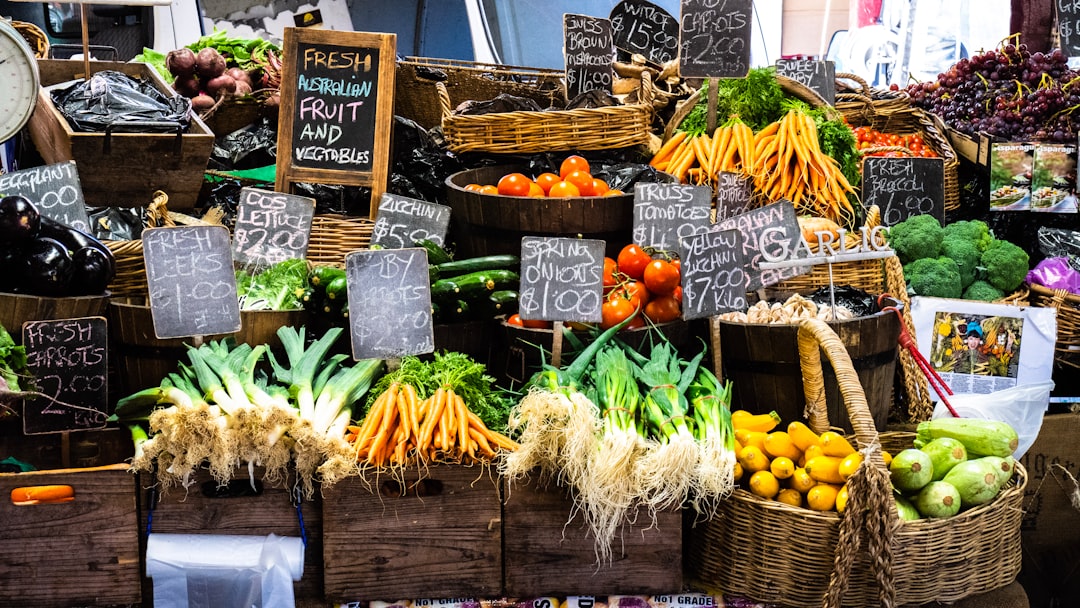
The cycle starts early. By the time sunlight clears the ridgeline, vendors are already unloading at the North Asheville Tailgate Market on UNC Asheville's campus — a producer-only market that has run continuously since 1980. A few miles south, the Asheville City Market fills North Market Street in downtown, operated year-round by ASAP (Appalachian Sustainable Agriculture Project), the nonprofit that has quietly shaped this region's food infrastructure since 1995.
These aren't weekend entertainment. They're supply chain. Chefs walk through with intention — not browsing, but sourcing. What's ripe, what came in heavy, what a particular grower pulled early because the rain forced their hand. These conversations between farmer and cook are where Tuesday's specials start taking shape.
And it's not just Saturdays. The River Arts District Farmers Market runs midweek at New Belgium Brewing. The West Asheville Tailgate Market fills Haywood Road on Tuesday afternoons during the growing season. The Western North Carolina Farmers Market — a 36-acre state-run complex off the interstate — operates daily, year-round. The week is threaded with touchpoints between the people who grow and the people who cook.
Visitors sometimes assume restaurant menus in Asheville are fixed — that "seasonal" is a label, not an operating principle. That assumption breaks the first time you return to a restaurant midweek and find something different on the plate than what you saw the weekend before.
The mechanism is straightforward. What arrives at market Saturday morning determines what a kitchen has to work with. A chef building a menu around Appalachian ingredients doesn't plan six weeks ahead and lock it in. They plan loosely, then adjust based on what the season actually delivers — not what the calendar predicted.
But the thing most food-focused visitors don't realize is that the mid-week menu is often more interesting than the weekend one. Saturday and Sunday kitchens run proven dishes for volume. Tuesday through Thursday is where chefs experiment — when the market haul is freshest and the dining room is quieter.
This system didn't emerge by accident. ASAP has spent decades building the connective tissue between farms and kitchens. Their Appalachian Grown certification program now includes over 1,300 farms and partner businesses across the Southern Appalachian region. Their annual Local Food Guide — first published in 2000 with 58 farms and 19 restaurants — has grown to more than 1,200 listings. Every year, ASAP's Business of Farming Conference hosts a Grower-Buyer Meeting where farmers sit across from chefs, grocers, and wholesalers to discuss products and build relationships for the coming season.
The result is a supply network dense enough that sourcing locally isn't aspirational here — it's operational. Luminosa, the downtown restaurant inside the Flat Iron Hotel that earned a Michelin Green Star in the inaugural American South guide, sources the majority of its ingredients within 50 miles. Executive Chef Graham House and Chef de Cuisine Sean McMullen collaborate directly with local farmers and producers, run a whole-animal butchery program, and maintain a fermentation kitchen that turns trim into something worth putting on a plate. The Market Place, downtown on Wall Street, has anchored this farm-to-table approach since 1979. Chef William Dissen — a two-time James Beard nominee — builds menus around what local farms bring in each week, not the other way around.
These aren't exceptions. They're the pattern. The city's Michelin recognition in 2025 — fifteen restaurants total, the most of any city in North Carolina — landed in a place where the supply chain was already built.
If you're visiting Asheville with food as a priority, the weekly rhythm matters more than any single reservation.
Arrive early on a Saturday and walk through a tailgate market before you eat anywhere. Not because the market is a tourist attraction — though it works as one — but because it recalibrates what you expect from the meals that follow. When you see the actual scale of what's grown here — the variety of greens, the heritage breeds, the fermented goods, the honeys and mushrooms and mountain cheeses — the restaurant menus stop feeling curated and start feeling inevitable.
If your trip spans more than a weekend, eat at the same restaurant twice — once near the start and once later in the week. The menu will likely have shifted. That shift is the system working.
And pay attention to what's described as seasonal on a menu. In a city where the growing season stretches from early spring greens through late-fall root vegetables, "seasonal" means something specific. The tomato on your plate in August and the parsnip in your bowl in January came through the same network — just different months of it.
The farmers who grow what Asheville eats don't get their names on the awning. But their work sets the tempo for every kitchen that takes its ingredients seriously. Saturday morning is where the week's menus begin — in a parking lot, under a canopy, between a grower with dirt still under their nails and a cook with a plan that's about to change. Whether you walk through a tailgate market yourself or simply notice the way a menu shifts between visits, the rhythm is the same. The food here isn't just local. It's current.
Saturday markets: The North Asheville Tailgate Market has historically operated Saturday mornings on UNC Asheville's campus. The Asheville City Market has historically operated Saturday mornings on North Market Street downtown, with year-round hours. Verify current schedules and seasonal adjustments before planning: asapconnections.org and northashevilletailgatemarket.com.
Midweek markets: The River Arts District Farmers Market typically runs Wednesday afternoons at New Belgium Brewing. The West Asheville Tailgate Market typically runs Tuesday afternoons during the growing season on Haywood Road. Verify current schedules at each market's site.
Year-round option: The Western North Carolina Farmers Market, operated by the NC Department of Agriculture on Brevard Road, is open daily year-round. It's the largest market in the area and carries produce, meats, honey, and prepared foods. Current hours at ncagr.gov.
Local food guide: ASAP publishes the annual Local Food Guide — a free directory of farms, markets, and restaurants sourcing local ingredients across the region. Digital and print versions available at appalachiangrown.org.
Parking (Saturday markets): The Asheville City Market typically has free parking at adjacent lots. The North Asheville Tailgate Market is on the UNC Asheville campus — plan for campus lot availability. Arriving early helps at both.
Lodging note: Asheville draws food-focused visitors year-round, and weekends during peak growing season fill accommodations earlier than off-season. Guests staying in surrounding communities can plan a full market-to-dinner day in town — arrive for the Saturday market, explore through lunch, and dine in the evening before heading back. That kind of day builds naturally and gives the food scene room to unfold at its own pace.
Want to feature your business on the DirectStay Blog?
Want to feature your business on the DirectStay Blog?

Connect with travelers, share your space, and join a community of hosts earning together.