

 DirectStay

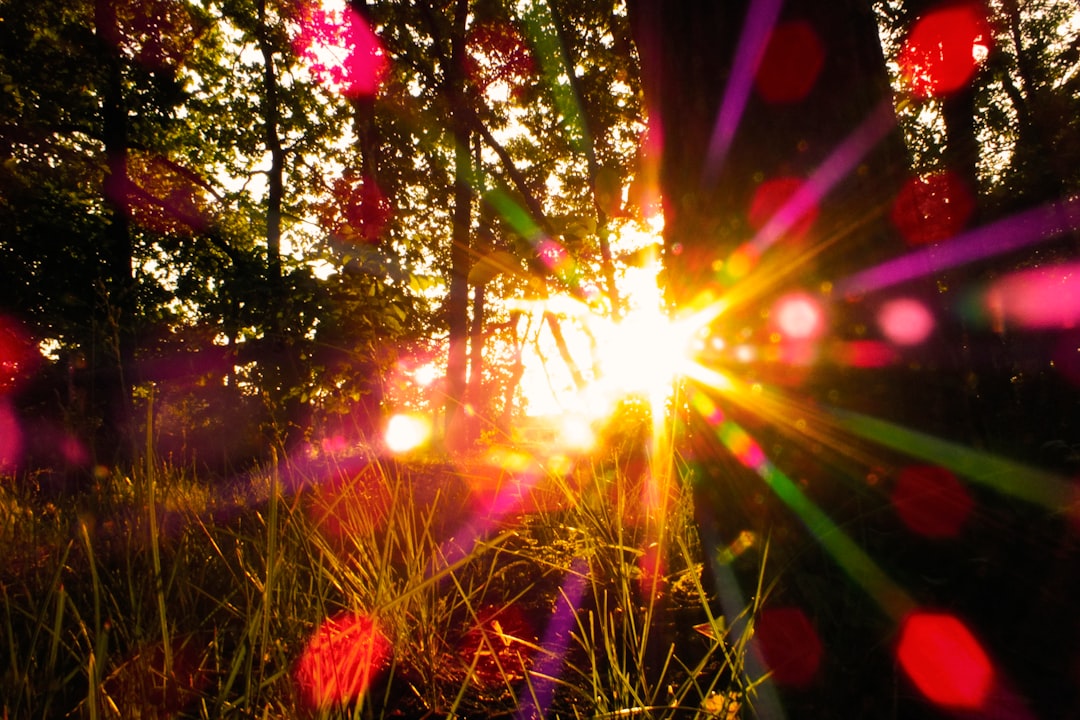
The sun in Anchorage on the longest day of the year slides toward the Cook Inlet horizon a few minutes before midnight, hovers there in a long blue hour that never quite commits, and starts climbing again before most cities have finished their dinners. You notice it first at nine when the light still looks like four in the afternoon, and your body starts to renegotiate its contract with the clock. The city splits into two kinds of people that week. The planners have a spreadsheet — marathon start time, festival stage schedule, the specific stretch of trail they want to be on when the sun pretends to set. Then there's the other kind, who didn't check a calendar before booking the flight and are about to find out what a city does when nobody has to go home.
The week around the solstice isn't a festival laid on top of normal Anchorage — it's Anchorage running a completely different operating system. Restaurants that would be closing their kitchens at ten in Portland or Denver are seating fresh tables. Trailheads that empty at sunset in the Lower 48 start filling up at nine. Patios stay packed. Downtown sidewalks carry the energy of late afternoon at a quarter past midnight. Blackout curtains stop being a luxury feature in rental listings and become load-bearing.
Locals don't treat this as remarkable so much as scheduled. Everyone you meet has their own solstice rhythm — the hike they always do, the stretch of the Coastal Trail they bike at eleven, the brewery patio where they watch the sun refuse to commit. First-time visitors trying to impose a standard day on solstice week usually end up exhausted by Wednesday. The locals who figured it out years ago split their sleep — a nap at four, dinner at nine, something outside at midnight, bed sometime after the sun comes back up.
The city's centerpiece is the Anchorage Downtown Partnership's Summer Solstice celebration. Events spread across Town Square Park, Peratrovich Park, and E and G streets, with artists, musicians, and performers transforming the downtown blocks. It isn't a ticketed festival so much as a distributed street party — you wander into it by walking a block in the wrong direction.
The endurance centerpiece is the Anchorage Mayor's Marathon and Half Marathon, presented by ConocoPhillips Alaska and co-hosted by Anchorage Parks & Recreation and the University of Alaska Anchorage Athletic Department. It falls on the Saturday closest to solstice. Once known as the Midnight Sun Mayor's Marathon, the race has been a summer solstice tradition for more than 50 years. The marathon finish at Delaney Park Strip turns into its own afternoon: runners crossing, bands playing, the beer garden operating as if it didn't need permission.
The planner's version of solstice is legitimate, and it's also the one most guidebooks describe. You book a rental months out, register for the marathon or half or the 4.7-mile Solstice Classic, line up a tee time at a city course for nine or ten at night, block out Saturday for the race and Sunday for recovery. Tee times can run as late as 10 p.m. at Anchorage's 18-hole public courses — see Blog #6 for the full comparison of Moose Run and Anchorage Golf Course. If Mulcahy Stadium has a home game that week, you buy a ticket — solstice week is prime time for the Alaska Baseball League, with evening games across the last half of June, and some years feature a special solstice matchup with a later start. Worth noting for baseball pilgrims: the famous no-artificial-lights Midnight Sun Game is in Fairbanks, not Anchorage — a different tradition, a different town, a six-hour drive north.
The other version doesn't look like much on paper. Somebody hikes Flattop at nine-thirty because they felt like it. Somebody bikes the full length of the Coastal Trail starting at eleven and ends at Kincaid Park at one in the morning with the sun still technically up. Somebody sits on a patio at Glacier BrewHouse or 49th State's rooftop at midnight and realizes they've been talking for four hours without checking a phone. Somebody stands at Earthquake Park at the horizon-dip moment and watches the Alaska Range turn a color that lasts about fifteen minutes and doesn't have a good name.
The drifter's solstice is structured by the light itself. You're not fighting the clock, because the clock stopped applying. You eat when you're hungry, sleep when your body insists, and do the thing you want to do when the light is right for it. By Day 3, you've forgotten what time zone you live in — not as a metaphor, as a real thing your body has stopped caring about.
Both versions are correct. The planners get the race medal and the festival-stage photos. The drifters get the thing you can't schedule — the stretch of a June night where the city is lit but asleep, where you're still wide awake, and where you understand what the midnight sun actually does to a person after three days of it.
The astronomical summer solstice moment falls at 12:24 AM on Sunday, June 21, 2026. June 20 is the longest full day at roughly 19 hours 30 minutes of daylight — with functional daylight (including civil twilight) closer to the 22-hour figure most locals cite. The meaningful window for solstice planning is roughly June 18–22.
Spread across Town Square Park, Peratrovich Park, and E and G streets. Free to attend. Annual schedule and event blocks typically finalize in late spring — confirm the current year's stages, hours, and performers at the Anchorage Downtown Partnership's event page (anchoragedowntown.org) or Visit Anchorage's event listing (anchorage.net/events).
Race week: Thursday June 18 – Saturday June 20, 2026
Events: Marathon (26.2 mi), Half Marathon (13.1 mi), 4.7-mile Solstice Classic, Marathon Relay (4 × 6.5 mi legs), Kids Mile
Marathon start: 7:30 AM, Saturday June 20 — ConocoPhillips Soccer Stadium at Kincaid Park (9400 Raspberry Rd)
Half Marathon start: 8:30 AM, same location
Course close: 3:00 PM
Finish: Delaney Park Strip, west end between 9th and 10th Avenues
Register: anchoragemayorsmarathon.com
498 E. 16th Avenue, near Sullivan Arena. Home to the Anchorage Glacier Pilots and Anchorage Bucs. Most games start at 7 PM. Artificial lights aren't usually needed until mid-July. A solstice-evening matchup with a later start time is traditional some years but not guaranteed — confirm current schedules at glacierpilots.com and anchoragebucs.com.
Tee times can run as late as 10 PM at Anchorage's 18-hole public courses. Book direct with the course; late tee times fill first. See Blog #6 for specifics on Moose Run's Creek Course and Anchorage Golf Course.
Anchorage's annual king salmon derby runs for roughly ten days in mid-June at Ship Creek downtown, typically covering solstice week. Current-year dates, registration, and rules at slamnsalmnderby.com and the Bait Shack (thebaitshackak.com).
The sun reaches its lowest point near the Cook Inlet horizon in the stretch between 11:30 PM and 2:00 AM. Earthquake Park (on the Coastal Trail) and Point Woronzof face west over Cook Inlet, with open sightlines across the water toward the Alaska Range. Both are free, accessible by car or bike, and rarely crowded at that hour.
Anchorage stays functionally lit from roughly 4 AM to well past midnight solstice week. If your rental doesn't have blackout curtains, bring a sleep mask. This is not optional — first-time visitors underestimate it and lose two nights of sleep before adjusting.
Late-June Anchorage typically runs mild — highs in the low-to-mid 60s Fahrenheit, lows in the low 50s — but mountain and coastal conditions shift quickly. Layer for evening activity; the air cools noticeably between 11 PM and 3 AM even under continuous light. Check current forecast at weather.gov/anchorage the week of your trip.
Solstice week is one of Anchorage's highest-demand stretches — the marathon alone draws runners from every state and abroad, and downtown inventory tightens earlier than a typical summer weekend. Guests booking ahead into rentals across the wider region — Eagle River, Girdwood, Palmer — get more space, quieter nights, and a setup where the car is parked once and the day is built around being out in the light anyway. Solstice planning rewards the traveler who treats the whole region as the trip.
Two versions of the same week. One runs on a spreadsheet and finishes at a park strip with a medal. The other runs on whatever the light suggests and finishes at a patio or a trailhead somewhere you didn't plan to be.
The city doesn't care which one you pick — it just notices that you showed up on the week it stops pretending to follow a clock.
Everybody gets the same 22 hours. What you do with them is the only thing that separates one solstice from the next.
Want to feature your business on the DirectStay Blog?
Want to feature your business on the DirectStay Blog?

Connect with travelers, share your space, and join a community of hosts earning together.
Become a host